


Business Sectors
Events
Offshore Support Journal Conference, Middle East 2025
 09 Dec 2025
 DUBAI
DUBAIContents

LNG spot earnings ease West, tighten East
Clarksons and Braemar data showed LNG spot rates stayed elevated, with Atlantic easing offset by tighter end-December availability in the Pacific


Clarksons reported that the LNG carrier spot market remained firm in early December, even as Atlantic earnings edged lower from recent highs.
The latest Shipping Intelligence Weekly noted, “The LNG carrier spot market remained firm this week but rates saw some modest easing in the Atlantic; the average spot rate for a 174,000-m3 LNG carrier fell by 10% week-on-week to US$98,500/day but remains around four times the early October level,” equivalent to about US$100,000 per day.
Clarksons highlighted a divergence between basins.
In the Atlantic, after several weeks of strong fixtures, the spot market took a pause and rates eased from their recent peaks, while in the East, the market was described as steady, with available tonnage for end-December tightening.
Braemar’s LNG desk characterised overall activity as moderate, with a continuing but thinner flow of fresh business West of Suez and a more balanced tone as earlier upward pressure on Atlantic rates gave way to a narrower range of fixtures.
Trade flows from the key producing regions underlined this picture.
Clarksons observed that ex-Houston freight levels were unchanged week-on-week, but underlined that tonnage supply “remains tight, with only a handful of J19s open in the USG as 2026 approaches.”
The report added contract of affreightment nominations for January had begun to appear and early indications suggest January is set to be similar to, or tighter than, December.
Ex-Al Jubail rates were also described as steady, with westbound activity quiet and eastbound demand limited to a handful of smaller cargoes into Asia, offering only limited respite for prompt units in the region.
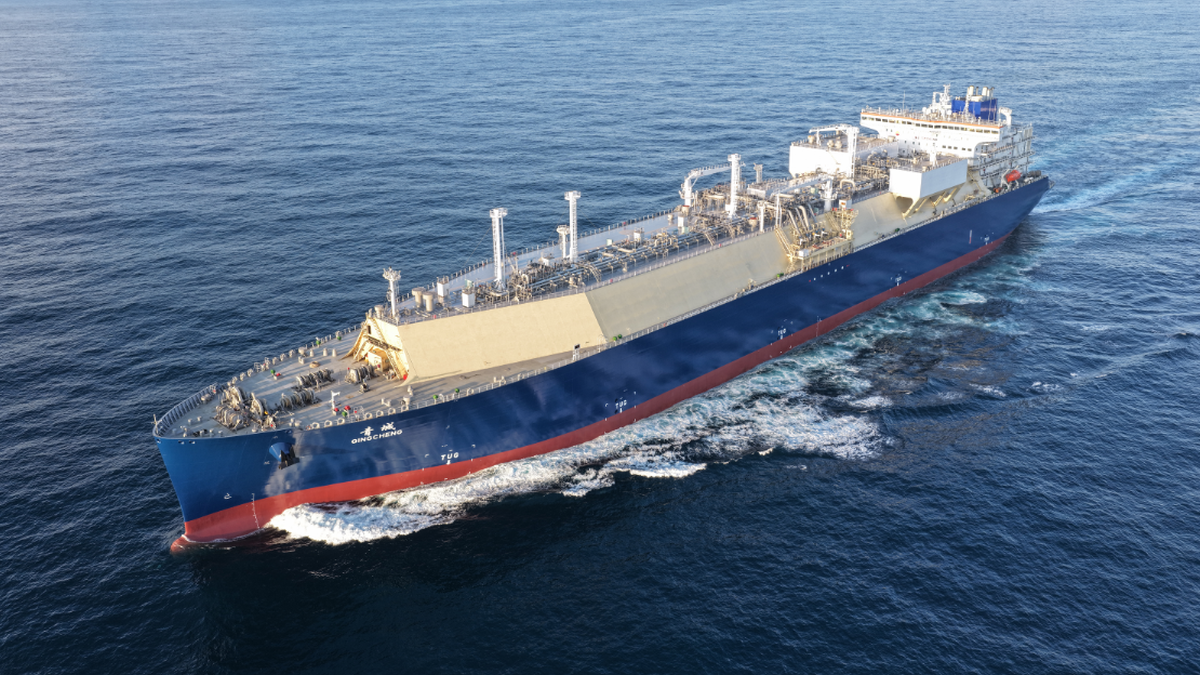
On the supply side, BRL’s Weekly Newbuilding Contracts report for week 50 recorded no new LNG carrier contracts but did list two LNG carrier deliveries: Qingcheng for China Shipping Development from Hudong-Zhonghua and Woodside Barrumbara for GasLog LNG Services from Hanwha Ocean.
BRL’s orderbook analysis showed between 1 January and 8 December 2025, owners had contracted 49 LNG vessels with an aggregate capacity of about 4.9M m³, while the overall LNG orderbook stood at 451 ships totalling roughly 70.4M m³, of which about 34.9M m³ has already been delivered.
LNG also continued to feature on the fuel side of the orderbook.
BRL reported Greece-based TMS Group firmed orders at Zhoushan Changhong International for seven 11,500-TEU container ships with dual-fuel LNG propulsion, with options for three more units.
Including the options, BRL stated the total investment in the series would be more than US$3Bn, with the first seven vessels fixed on long-term charter to Zim.
Demolition did not offer any near-term relief for LNG fleet growth.
A GMS ship recycling market insight earlier in the year pointed to a very limited flow of large light deadweight LNG units, with around 15 such vessels sold for recycling so far in 2025 and elevated earnings discouraging additional candidates, a pattern that appeared unchanged in the latest week.
Sign up for Riviera’s series of technical and operational webinars and conferences:
- Register to attend by visiting our events page.
- Watch recordings from all of our webinars in the webinar library.

Related to this Story

Events
Offshore Support Journal Conference, Middle East 2025
09 Dec 2025DUBAI
Maritime Regulations Webinar Week
16 Dec 2025GMT - ONLINE
Maritime Decarbonization Conference, Americas 2026
22 Jan 2026HOUSTON
Offshore Wind Journal Conference 2026
02 Feb 2026London
© 2024 Riviera Maritime Media Ltd.


