


Business Sectors
Events
Offshore Support Journal Conference, Middle East 2025
 09 Dec 2025
 DUBAI
DUBAIContents
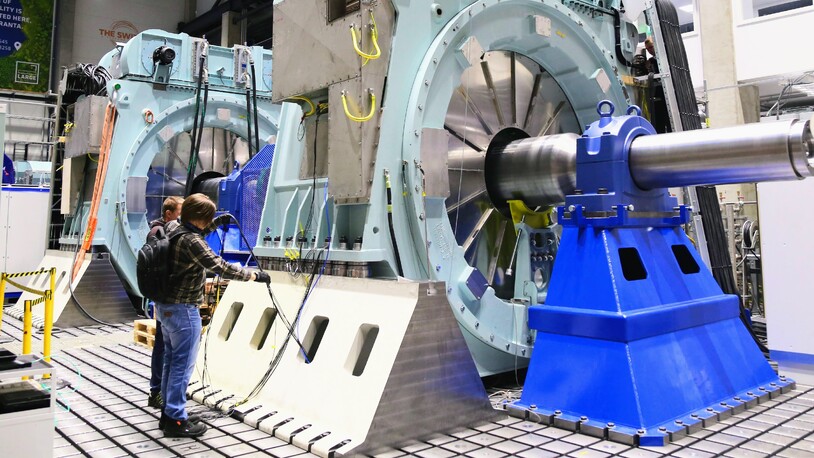

Small-bore, four-stroke marine engine runs on ethanol
Everllence’s medium-speed, dual-fuel model 21/31 engine was sucessful in tests at all load points


Danish engine maker Everllence has undertaken successful testing of ethanol as a fuel at all load points in an engine platform developed to burn methanol.
The engine maker said tests on the 21/31 dual-fuel engine platform at the company’s research facilities in Frederikshavn, Denmark said the engine is now "a fully operational engine with which to document ethanol’s capabilities as fuel".
“This engine platform has shown great promise when burning alternative fuels and, during testing, we even managed to expand the ethanol fuel-share compared with methanol. In general, the past few years have seen steadily growing interest in ethanol from the market. We always do our utmost to listen to these signals and had accordingly been carrying out the necessary design considerations, which has provided us with a solid technical foundation. Tests in Frederikshavn have now provided us with the technical know-how to take us to the next level. We are still evaluating the data, however it confirms our earlier assumption that we could run the 21/31 engine on ethanol without issues,” Everllence head of four-stroke, small-bore engineering Rasmus Frimann Nielsen said.
By the time Everllence had launched the 21/31 dual-fuel engine in its methanol-burning form in 2024, the platform had already reached some 2,750 sales, by the company’s tally.
Everllence said its port fuel-injection concept for the engine has helped it to become established, particularly in the genset and diesel-electric propulsion configurations on board vessels.
And in September 2025, Everllence said it had successfully tested its methanol liquid gas injection (ME-LGIM) engine on ethanol fuel at all load points in a 90-bore, two-stroke dual-fuel engine in Japan. And engine designer WinGD has claimed it will bring its first ethanol-fuelled two-stroke engine to market in 2026.
Everllence diretor of sales for marine gensets, Lars Zimmermann called for legislation to consider the "case of ethanol as a viable fuel source" to develop market demand in response to what he said was uncertainty among customers over which fuel strategy to invest in.
In September, the International Maritime Organization delayed a vote on the economic and technical measures, including fuel pathways, that the global regulator for shipping would include in its regulations to bring shipping emissions down to nearly zero by 2050.
Sign up for Riviera’s series of technical and operational webinars and conferences:
- Register to attend by visiting our events page.
- Watch recordings from all of our webinars in the webinar library.
Related to this Story


Events
Offshore Support Journal Conference, Middle East 2025
09 Dec 2025DUBAI
Maritime Regulations Webinar Week
16 Dec 2025GMT - ONLINE
Maritime Decarbonization Conference, Americas 2026
22 Jan 2026HOUSTON
Offshore Wind Journal Conference 2026
02 Feb 2026London
© 2024 Riviera Maritime Media Ltd.


