


Business Sectors
Business Sectors
Events
Contents

Gothenburg embraces green harbour operations as major convention approaches
Introducing the world’s first methanol-hybrid tug and investing in shore power and alternative fuels make Scandinavia’s largest port a leader in reducing emissions
Port of Gothenburg, Sweden, is a major logistics hub in Scandinavia and a leader in adopting green technology to lower emissions from ship handling, docking and cargo transport.
It has become a hub for bunkering alternative fuels, particularly LNG, methanol and biofuels, and is investing in green shipping corridors and shoreside power.
By 2030, the Port of Gothenburg aims to reduce carbon emissions by 70%, at sea, in the terminal areas and on land.
The transition is being carried out in close collaboration with industry, regulators, academia, shipowners, operators and stakeholders across the entire transport chain.
Port of Gothenburg has also strengthened its safety and security protocols using enhanced perimeter protection, multi-agency collaboration and advanced digital operational systems.
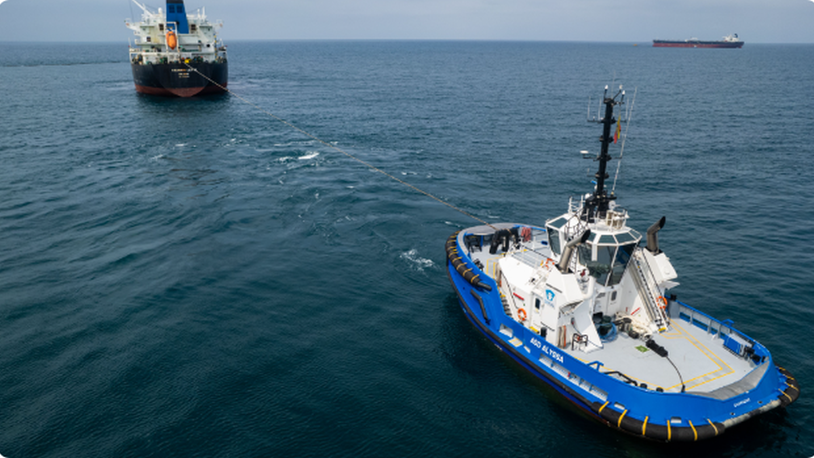
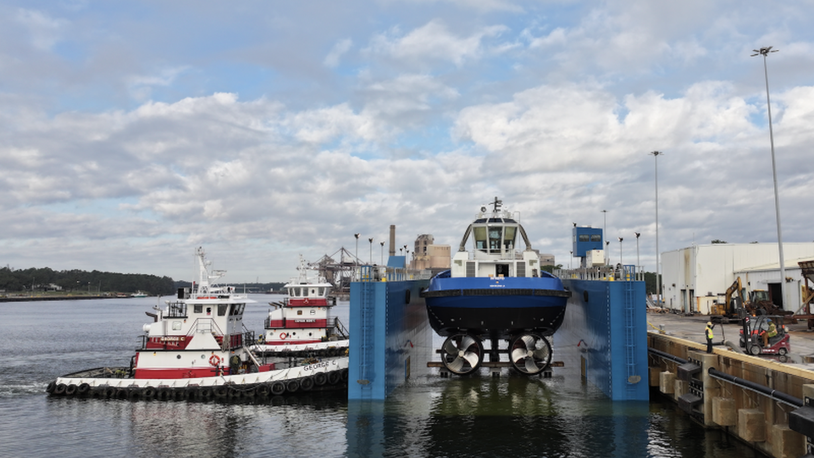
In 2026, the port is supporting the deployment of next-generation tug technology through its collaboration with Danish owner Svitzer. Most notably, Svitzer Balder, the world’s first battery-methanol powered tugboat, has been launched at Uzmar’s shipyard in Turkey, and is set to operate in Gothenburg in 2026, enabling near-zero emissions during towing, manoeuvring, and docking operations.
“We continue developing toward a sustainable world”
Port of Gothenburg is a key logistics hub for the entire Nordic region, and has Scandinavia’s largest container terminal, operated by APM Terminals, and the largest car roro facilities.
It is a driving force for sustainability in northern Europe, with the port supporting sustainable transport through green corridors, prioritising electric vehicles, delivering alternative fuels and investing in shore power at berths.
The port enables ships to refuel with both traditional fuels and sustainable alternatives such as LNG, methanol, and biofuels. It has offered LNG fuels since 2016 and ship-to-ship methanol bunkering since 2023, with Stena and Maersk Line regular users of these fuels.
You have viewed your 10 articles for this month.
To continue reading this article please register or login below.



Related to this Story


Events

© 2026 Riviera Maritime Media Ltd.


