

Contents
Survey’s/Polls (coming soon)
Special Reports (coming soon)
Business Sectors

Business Sectors
Business Sectors
Business Sectors
Events
Contents
Contents
Survey’s/Polls (coming soon)
Special Reports (coming soon)
Read the views of the experts:
Expert Views
Manufacturers and suppliers globally have both knowledge and expertise in abundance. They share their experience and opinion on regulatory and performance-related topics here.
Manufacturers and suppliers globally have both knowledge and expertise in abundance. They share their experience and opinion on regulatory and performance-related topics here.

ISO 6319 and the Shift from Reactive Hull Cleaning to Proactive Biofouling ManagementSponsored by Jotun
10 Nov 2026by Anders Skilbred
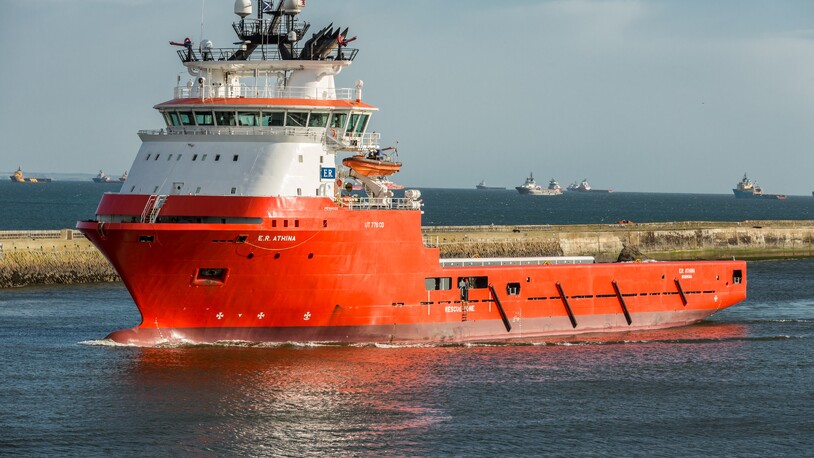




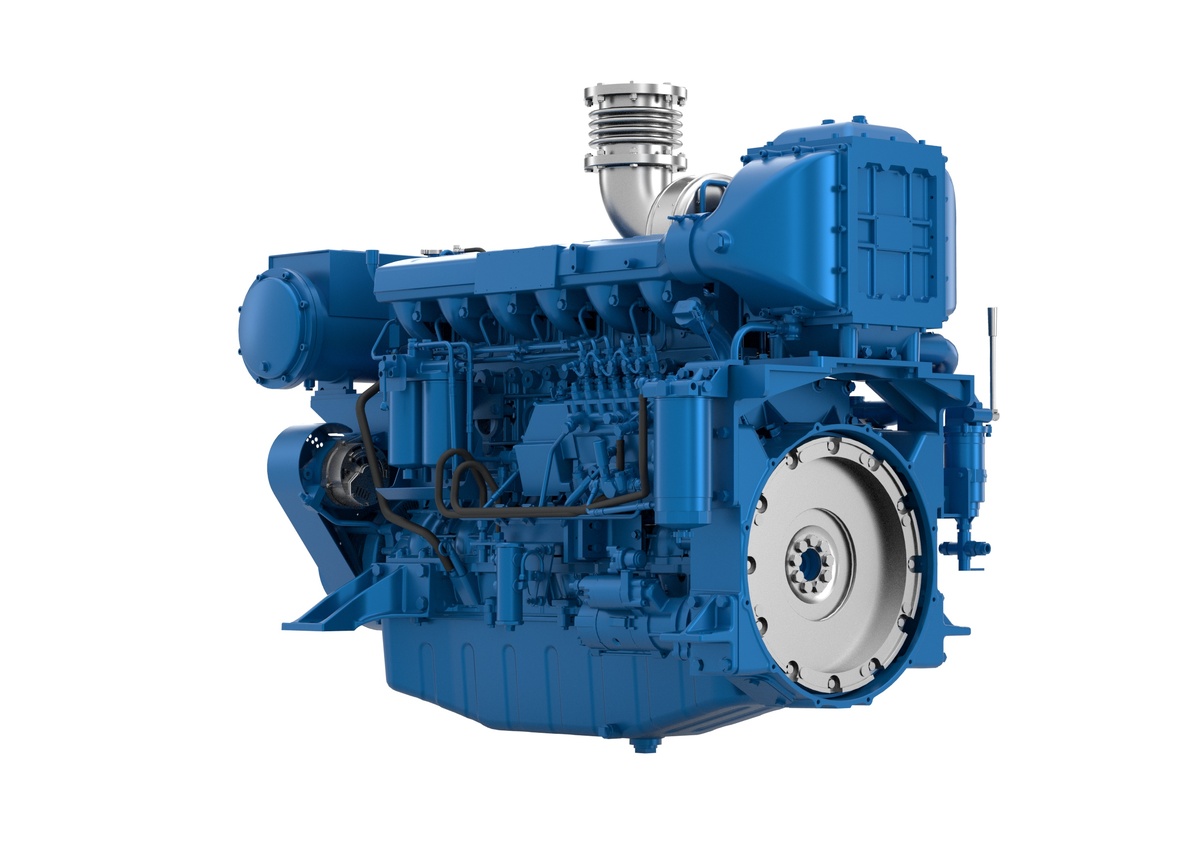
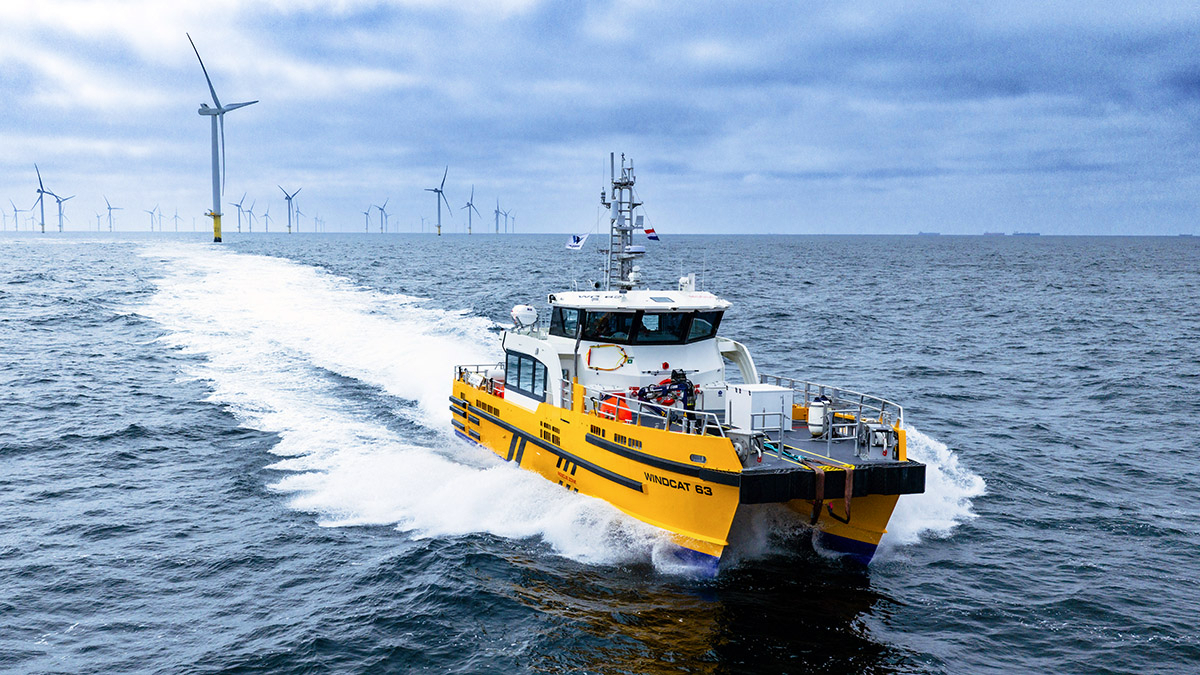
HamiltonJet LTX53: Greater control where offshore wind crews need it mostSponsored by HamiltonJet
06 Aug 2026

Extending Brownfield Life and Reach Through Electrification and Digitalization of Subsea SystemsSponsored by Siemens Energy
15 Jul 2026by Endre Brekke and Paul Robson

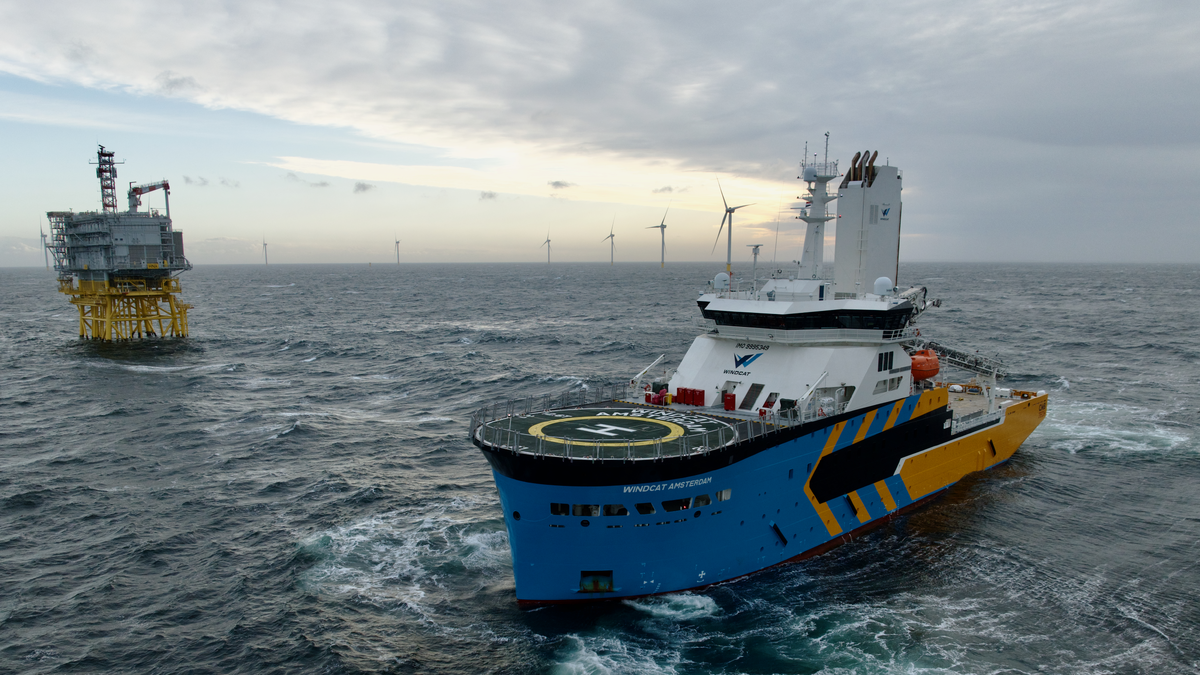

Air Pollution & GHG EmissionsAmmoniaContainer Shipping & Port TechnologyFuel CellsFuels & LubricantshydrogenInt. Tug & SalvageMarine PropulsionMarine Propulsion & Auxiliary MachineryPassenger Ship TechnologyPropulsionRegulations & ComplianceWind Assisted Propulsion
ZESTAs Secretary-General: 'This is no longer about proving these technologies work. They work.'
22 Oct 2026by Madadh MacLaine
Analyst / Bank ForecastsBusiness & FinanceContainer Shipping & Port TechnologyDry CargoLNG Shipping & TerminalsMiddle East ConflictOffshore Drill Rigsoffshore supportOffshore Support JournalTanker Shipping & TradeTrade Routes
Veson Nautical: full restoration is unlikely before at least mid-2027
02 Oct 2026by Riviera News
Air Pollution & GHG EmissionsBatteries & Electrical SystemsEnvironmental Social and GovernanceHybrid PropulsionInt. Tug & SalvageMarine Propulsion & Auxiliary MachineryPortsPorts & TerminalsTug & SalvageTugs / WorkboatsTug & Towage Services
Why ports need to invest in dedicated electric tug charging
08 Sep 2026by Martyn Wingrove
Events

© 2026 Riviera Maritime Media Ltd.


