


Business Sectors
Business Sectors
Events
Contents

Register to read more articles.
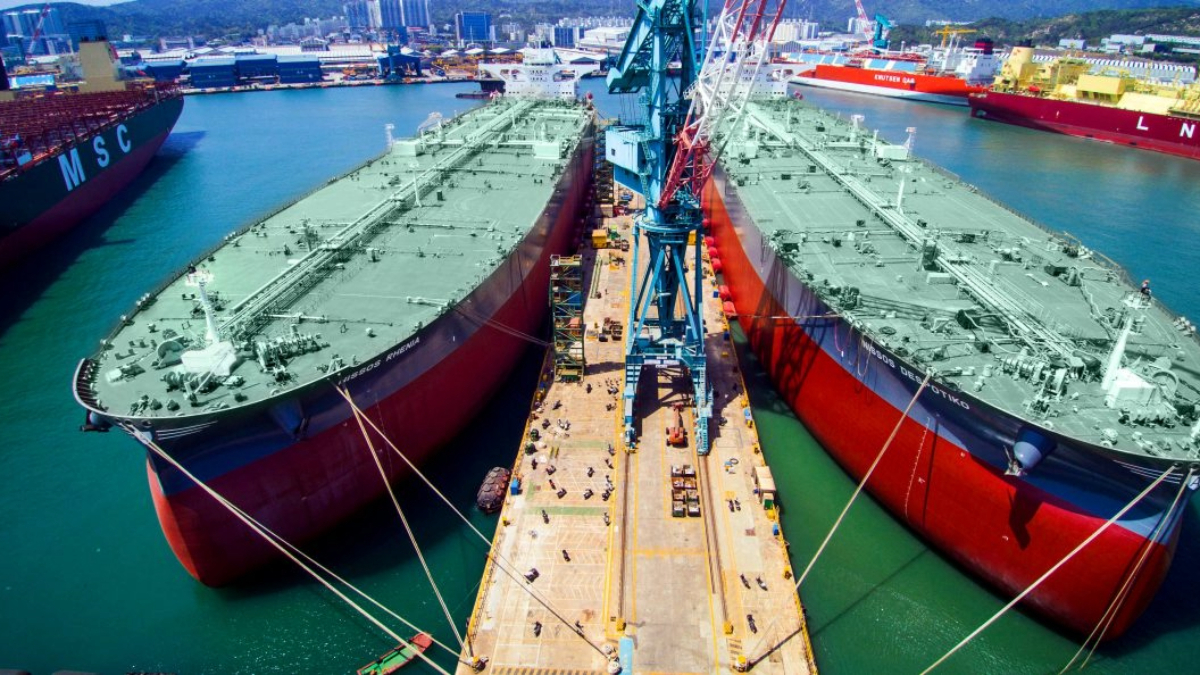
OET's Alafouzos casts doubt on practical return of sanctioned tankers
Okeanis Eco Tankers (OET) chief executive Aristidis Alafouzos believes that bringing sanctioned tankers back into mainstream trade would be impractical, as discussions between US authorities and oil traders over the potential use of these vessels intensify


“It is hard to think of a reasonable way where they can come back,” Mr Alafouzos told OET’s Q3 earnings call.
“If we assume that a large percentage of the sanctioned fleet had some relationships with Iran directly, it seems very hard to believe that you would waive sanctions on an Iran-related vessel, and then that this vessel will transfer crude oil through the US routes,” he noted.
“I do not see how it is reasonable or practical in my mind to unsanction these sanctioned tankers, but, you know, politics are politics and sometimes they surprise,” Mr Alafouzos said.
He added, however, that vessels belonging to the grey fleet but not subject to sanctions could find it easier to return to mainstream trading.
“I’m sure that the US would have some understanding with the traders or the buyers of these ships that once they go into normal hands they won’t be doing sanctioned business,” he said.
Nevertheless, he questioned whether these vessels would be competitive in the mainstream market, given their age.
“They are 20, 22 years old, they don’t have much life left. They can make a couple of Hormuz transits but they are not going to come back and compete in the normal market with us,” Mr Alafouzos explained.
Bloomberg reported this week that oil traders are seeking approvals from the US government to use sanctioned tankers to address a shortage of vessels and ease freight rates. The report pointed to freight rates reaching record highs amid tanker shortages, as vessels have been undertaking longer voyages following disruptions in the Strait of Hormuz.
US Secretary of Energy Chris Wright said last month that Washington was planning to establish a process to approve the sale of sanctioned, so-called dark fleet tankers, potentially allowing the vessels to return to legitimate trading.
Market is bottoming
Commenting on the tanker market and its recent correction from record-high levels, Mr Alafouzos said he believes freight rates are approaching a bottom.
He noted that Aframaxes were seeing increased activity in the US Gulf, Suezmax rates appeared to have stabilised in the West Africa market, while VLCCs were also becoming busier.
“I think this is the floor we’re getting to and we’ll see more cargo over the next couple of weeks, with rates stabilising and pushing up from there,” he added.
Explaining the recent correction, Mr Alafouzos highlighted that freight costs had, for the first time, become a significant component of the overall cargo value.
Oil buyers had been forced to secure the volumes needed to keep their refineries operating and were now looking for ways to manage their requirements, either by drawing on inventories or adopting a more cautious approach to the market.
“The charterers have their own time-charter fleets and they can use relets to keep the market quieter instead of fixing out on third-party vessels,” he added.
Although much of the momentum has come out of the market, Mr Alafouzos believes that volatility remains, with no fundamental changes to the underlying conditions of tight vessel availability and inefficient trading patterns.
OET posts sharp rise in quarterly earnings
OET posted revenue of US$501.5M in Q3 2026, compared with US$90.6M in the same period last year, while profit climbed to US$299.6M from US$24M.
The company’s fleetwide time charter equivalent (TCE) daily rate surged to US$209,100 in Q3 2026, compared with US$46,600 in Q3 2025.
During the quarter, OET entered into a series of short-term charter agreements for five of its VLCCs, each covering a period of 100-150 days, at an average rate of US$449,200 per day.
The owner controls a fleet of 18 tankers, comprising 10 Suezmaxes and eight VLCCs.



Related to this Story


Events

© 2026 Riviera Maritime Media Ltd.


