


Business Sectors
Business Sectors
Events
Contents
Register to read more articles.
DEME, Jan De Nul to build the world’s first offshore energy island
TM Edison, a joint venture formed by DEME and Jan De Nul, has been awarded a contract for construction of the world’s first artificial energy island


Construction of the foundations for the Princess Elisabeth Island will begin in early 2024 and will last approximately 30 months, after which installation of high-voltage infrastructure will begin. The high-voltage infrastructure will be used to bring electricity from Belgian offshore windfarms to shore.
In addition to bringing electricity from Belgian windfarms to shore, the energy island will also be the first building block in an integrated European offshore electricity grid that will connect various other hubs and countries together, including, potentially, interconnections with the UK and Denmark that will provide them with access to massive amounts of renewable energy.
The tender process for the island started in January 2022. Belgian transmission system operator Elia received multiple bids from companies based in Belgium and abroad.
The Princess Elisabeth Island will be the world’s first artificial energy island that combines the use of high-voltage direct current (HVDC) and high-voltage alternating current (HVAC). The island’s high-voltage infrastructure will bundle windfarm export cables from the Princess Elisabeth zone together, also serving as a hub for future interconnectors such as Nautilus, to the UK, and TritonLink, to Denmark.
These so-called ‘hybrid interconnectors’ have a dual function: they facilitate the exchange of electricity between countries and are also connected with offshore windfarms in the North Sea.
The energy island will be located approximately 45 km off the Belgian coast. The area set aside for the installation of the electrical infrastructure will be approximately 6 hectares in size.
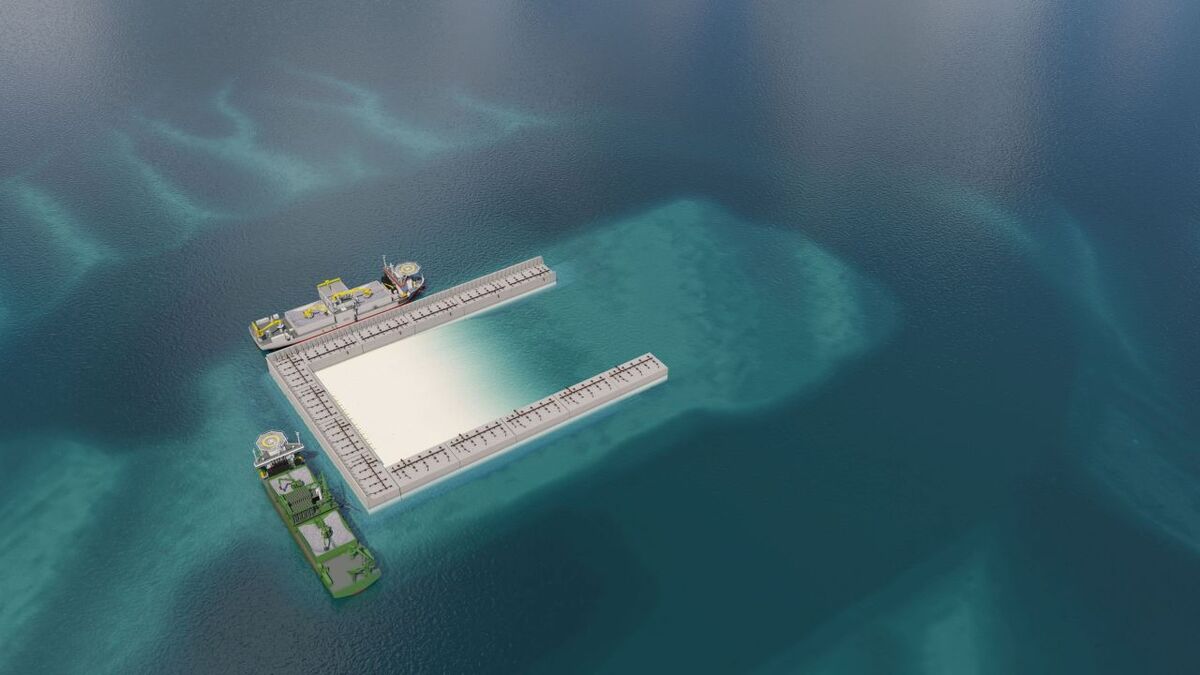
The artificial island will be located within the Princess Elisabeth wind zone and will be constructed from concrete caissons filled with sand. A small harbour and helicopter platform will also be installed to allow maintenance crews to visit the island. The energy island has received funding from the European Covid Recovery Fund and the Belgian government decided to award the island a grant of approximately €100M (US$106M).
Now that the construction contract has been awarded, design of the island can be finalised. Caissons for the island will be built and installed in 2024 and 2025. These will form the contours of the island. After that, the base of the island will be raised and prepared for the construction of the electrical infrastructure. It will be connected with the new offshore windfarms and with Elia’s onshore grid.
Elia Group chief executive Chris Peeters said, “This project is a pioneering one for several reasons. It is the most cost-effective and reliable way to bring offshore wind to shore. It will provide options for the future. When we connect it to other countries, the Princess Elisabeth Island will become the first offshore energy hub.”
Belgian Federal Energy Minister Tinne Van der Straeten said, “Belgium has been a pioneer in offshore wind for 15 years and is once again demonstrating its expertise. By continuing to innovate, we are also strengthening our position for the future. We are giving our Belgian companies a chance to be true pioneers, both here and abroad.”
Sign up for Riviera’s series of technical and operational webinars and conferences in 2023:
- Register to attend by visiting our events page.
- Watch recordings from all of our webinars in the webinar library.
Related to this Story
Events

Maritime Regulations Webinar Week
 16 Dec 2025
 GMT - ONLINE
Floating energy: successfully unlocking stranded gas using FLNGs and FSRUs
24 Feb 2026GMT - ONLINE
© 2026 Riviera Maritime Media Ltd.


