


Business Sectors
Events

Floating energy: successfully unlocking stranded gas using FLNGs and FSRUs
 24 Feb 2026
 GMT - ONLINE
Contents

High OSV demand, ageing fleets drive higher utilisation, charter rates
Robust demand for offshore support vessels and ageing global fleets are persuading owners to order newbuilds


Hot spots for offshore support vessel (OSV) and drilling rig demand include the Arabian Gulf, Brazil, the Gulf of Guinea and Norway, and there is growing activity in southeast Asia and Guyana. Demand is high in these regional markets, with less work in the UK, and in southeast Asia, where there is a surplus of vessels.
On the supply side, OSV fleets in many regional markets are ageing and in short supply, resulting in high utilisation and stable day rates, with the potential for rising rates and spikes.
Delegates at Riviera’s Annual Offshore Support Journal Conference, in London on 3 February 2026, were provided an overview of regional markets for platform supply vessels (PSVs) and anchor handling tug, supply (AHTS) fleets by analysts.
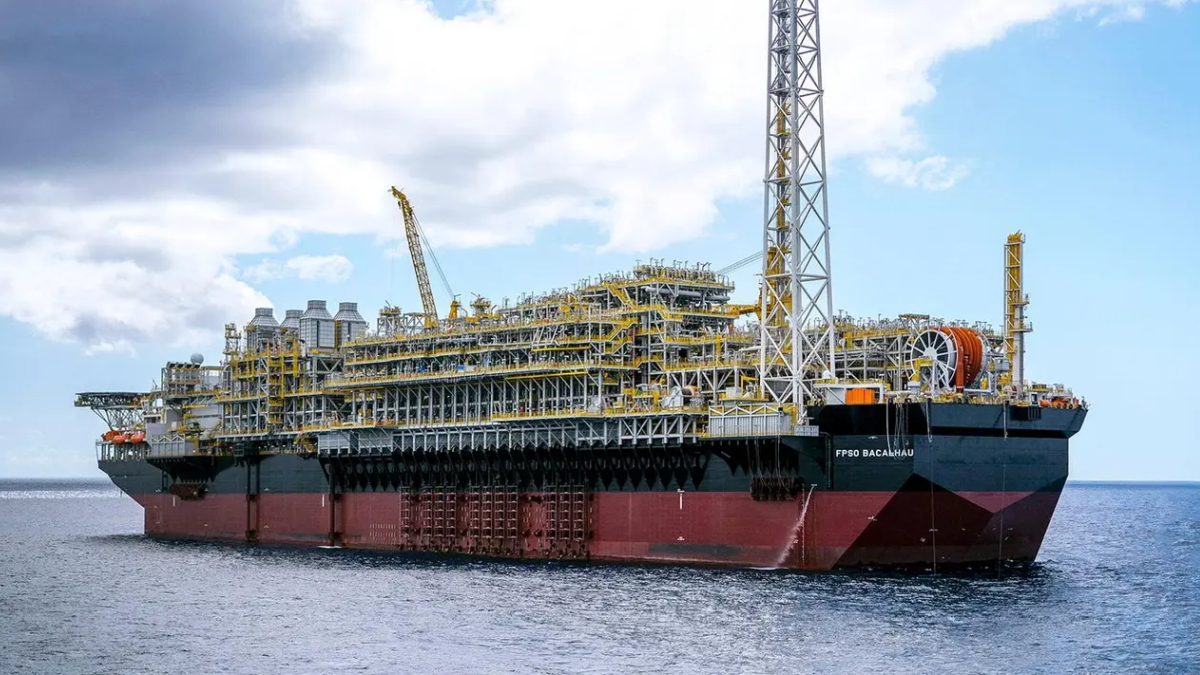
Arctic Offshore partner Nicolas Garschagen said Brazil is a major market for rigs, floating production storage and offloading (FPSO) vessels, subsea projects and OSVs, with 20 large offshore projects set to be undertaken in the next five years.
State energy company Petrobras is planning to spend US$78Bn to 2030, of which US$69Bn is already committed for sanctioned projects.
Mr Garschagen expects 20 FPSOs, and the associated networks of subsea infrastructure, to be installed and brought onstream in the next five years, with 11 projects already contracted. This will increase demand for OSVs from 346 operating in January 2026 to 388 in 2030.
"There is a substantial need for vessels driving rates up for large PSVs and AHTS," he said. Up to 11 vessels are required per FPSO project, locked in for 15 months.
Deepwater projects are planned by other energy companies, almost US$10Bn in decommissioning work is coming, and exploration in other basins is expected to generate more energy projects.
West Africa
ABC Maritime chief offshore officer George Horsington said there are several opportunities in West Africa for vessel owners, as oil majors develop oil and LNG projects, but there are challenges with cabotage, local content and currency issues.
"West Africa is a multi-layered and complicated market where it pays to have a local guide," said Mr Horsington. "The biggest markets by far are Angola and Nigeria, with other nations rising in importance."
These include Congo, Gabon, Senegal and the Ivory Coast, while Mozambique and Namibia are also planning hydrocarbon projects.
West Africa employs around 30 rigs and 40 FPSOs, and there is demand for 200 OSVs working in 18 countries, which all have unique regulatory requirements.
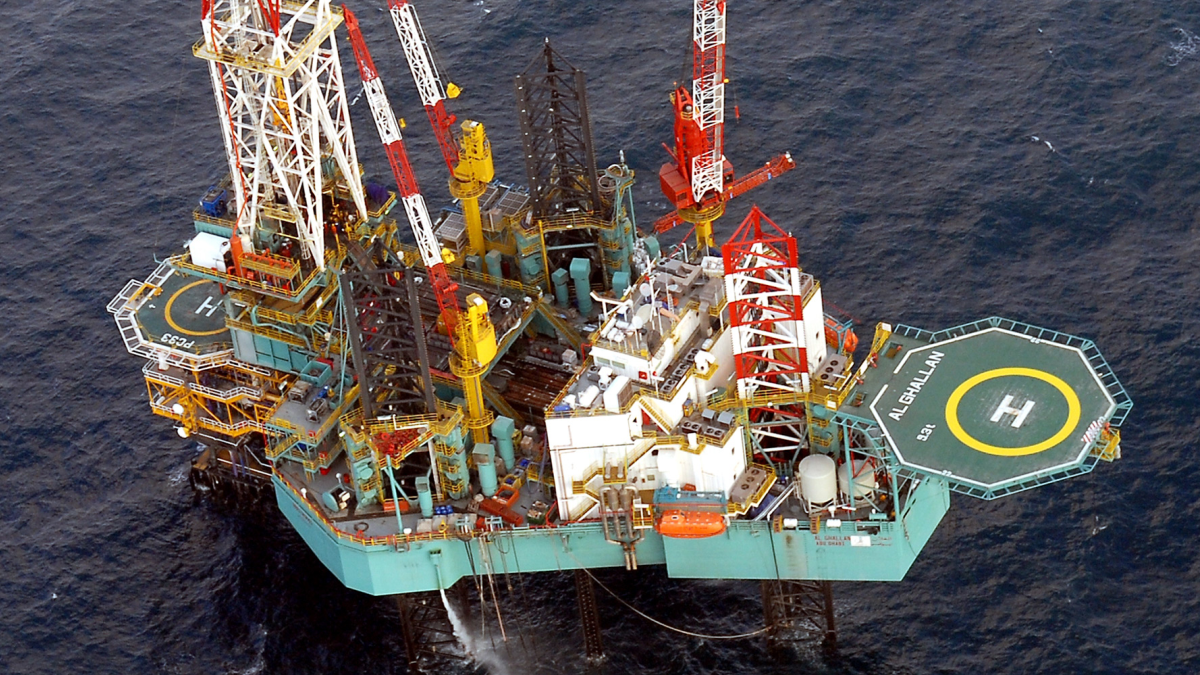
There is considerable activity in the Middle East, which is the most stable of all the areas, providing certainty to owners and energy companies.
Maritime Strategies International associate director Todd Jensen said it is one of the "key markets globally", with engineering, procurement and construction (EPC) spending costing US$25Bn annually.
"In 2026, there is potential for high spending on EPC contracts with several out to tender and energy companies looking for more jack-up rigs," said Mr Jensen.
Around 100 platforms and hundreds of kilometres of pipelines are expected to be installed by 2030.
"Fleets are controlled by large owners, and there is a stable, high level of activity," said Mr Jensen. "There is plenty of work in the pipeline for the next few years to keep vessel utilisation high at over 80%."
Northern Europe
Norway is a strong market for drilling rigs and OSVs, but the market across the rest of northern Europe is poor, said Seabrokers Group offshore market analyst Paul Dear.
Norway has 25 active rigs, and major energy companies plan to extend development and exploration.
"There will be increased rig activity and rig demand should remain strong to 2027," said Mr Dear. "There are new projects, high investment levels and multiple field developments, requiring significant investment to stem production declines."
Although markets in the UK, Dutch and Danish sectors have weak oil and gas sectors, there is plenty of work to provide support vessels for offshore windfarm projects.
In addition, owners could benefit from the highly volatile spot market, where charter rates can vary from US$20,000 per day up to $100,000 per day.
Asia-Pacific
APac is also a volatile OSV market, with cabotage and local content challenges, but with lower levels of utilisation and a higher oversupply of vessels than other sectors.
Fearnley Offshore Supply senior market analyst Jesper Skjong said utilisation is between 50% and 60%, while activity reduced in 2025.
He expects improvements in field developments and drilling, especially in deeper waters, will result in rising activity and demand in 2026 and 2027, "as more high-spec assets are required".
An ageing fleet in the region has led to owners removing them from the market and replacing them with newbuilds.
Mr Skjong thinks more vessels will leave the APac fleet, "changing the market balance" and raising utilisation and day rates.
"It is a shrinking fleet, despite the newbuilds coming from shipyards," he said. "Perhaps 40% of the fleet could disappear in the next five years. Some sections of the market are getting close to the previous peak, so day rates could climb above historic levels in future years."
Riviera’s Offshore Support Journal Conference, Asia will be held in Singapore on 8-9 September 2026. Use this link for more information and to register for the event.


Related to this Story

Events

Maritime Regulations Webinar Week
16 Dec 2025GMT - ONLINEFloating energy: successfully unlocking stranded gas using FLNGs and FSRUs
24 Feb 2026GMT - ONLINE
© 2024 Riviera Maritime Media Ltd.


