


Business Sectors
Business Sectors
Events
Contents

Register to read more articles.
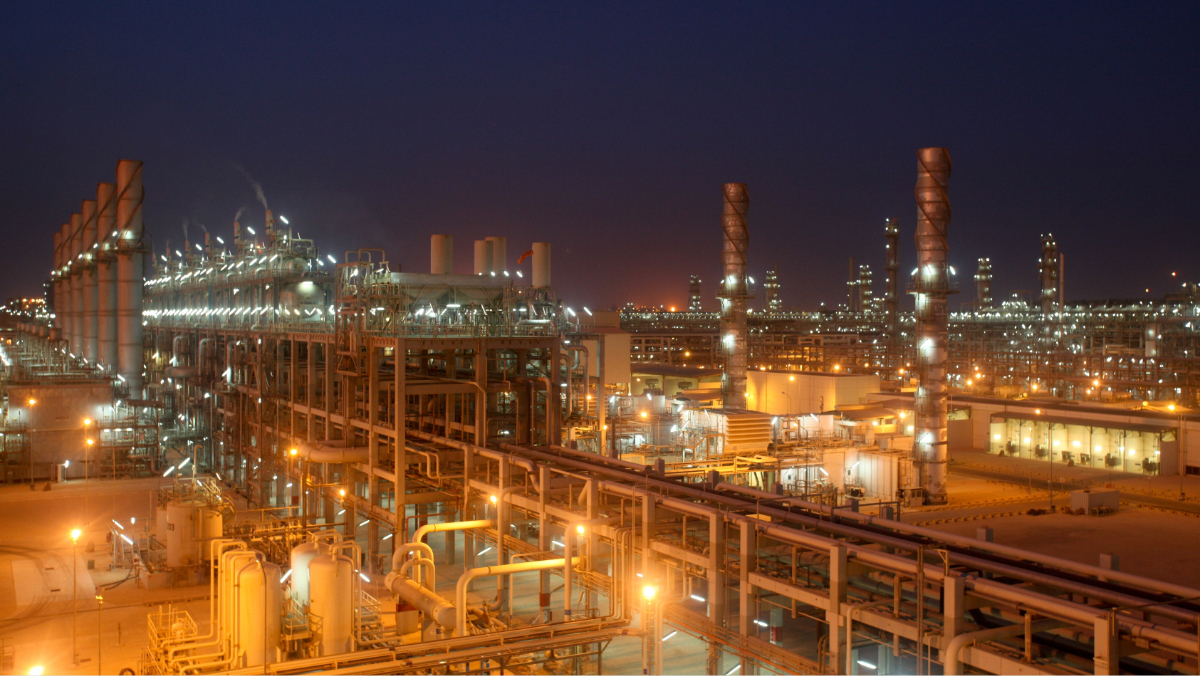
Middle East disruptions trigger 'structural shock' in LNG market
The LNG market is facing what analysts describe as a “structural shock”, as supply disruptions in the Middle East prove too significant to offset, with any eventual return to normality expected to be gradual


In a recent webinar, Poten & Partners estimated that the closure of the Strait of Hormuz removed around 7-8M tonnes per month from global LNG supply during the disruption period.
If the ceasefire holds and flows resume relatively quickly – the firm’s base-case scenario – global LNG supply is expected to show no year-on-year growth, as capacity expansions are offset by reduced Middle East output.
“Damage at Qatar’s Ras Laffan facility compounds the impact. The loss of 12.8M tonnes of capacity reduces Qatar’s effective nameplate capacity to 64.7M tonnes per year, materially changing the supply landscape,” Poten said.
Under this scenario, Qatar’s LNG exports are projected to fall from around 80.0M tonnes to approximately 47.0M tonnes in 2026, before recovering to about 66.4M tonnes in 2027.
“A ramp-up period of three to four months is assumed once transit resumes,” Poten added.
However, the pace and extent of recovery remain uncertain. “If the current path of de-escalation is maintained, energy and freight markets should gradually return to normality, but the process will be slow, and the implications for LNG shipping dynamics remain uncertain,” Fearnleys said in its latest weekly LNG report.
According to Poten, repairs at Ras Laffan could take between three and five years, while the North Field expansion is now likely to be delayed until late 2027 or early 2028. No incremental volumes are assumed in the 2026-2027 forecast window.
In a separate analysis, Wood Mackenzie noted that a real structural change in supply at Ras Laffan would require all 12 operable trains to be restarted. It remains unclear whether QatarEnergy would consider doing this during a ceasefire, analysts said.
Wood Mackenzie Europe Gas and LNG director Tom Marzec-Manser added that if ballast LNG carriers were able to enter the Gulf, immediate loading for more than 10 vessels would be possible, even if production at Ras Laffan had not fully resumed.
The consultancy estimates that, if QatarEnergy began restarting Ras Laffan at the start of May, it would take until the end of August for all 12 trains to return to full operations.
Largest impact on Asia
The crisis is expected to weigh most heavily on Asia. “Even under the base case, Asian LNG imports are forecast to decline sharply in 2026, with only limited recovery until prices ease,” Poten said.
The firm has revised its 2026 demand forecast for the region down from approximately 291M tonnes preconflict to around 260.0M tonnes in its base case.
“Elevated prices and volatility are driving a shift towards coal-fired generation, particularly in China and India, both of which have significant underutilised coal capacity and continue to expand coal power,” Poten added.
Meanwhile, Europe is emerging as the marginal buyer. “With storage levels near 30%, Europe requires aggressive summer injections to reach its 80% target by November,” Poten said.
“Imports are expected to rise in all scenarios despite high costs, reflecting Europe’s willingness to prioritise energy security over price.”
“While storage targets appear achievable, doing so will be extremely expensive, particularly given a relatively flat forward curve that provides limited incentive to build storage over the summer months,” Poten concluded.
Riviera’s LNG Shipping & Terminals Conference will be held on 13-14 October 2026. Use this link for more information and to register for the event.



Related to this Story

Events

Maritime Regulations Webinar Week
 16 Dec 2025
 GMT - ONLINE
Floating energy: successfully unlocking stranded gas using FLNGs and FSRUs
24 Feb 2026GMT - ONLINE
© 2026 Riviera Maritime Media Ltd.


