


Business Sectors
Events

Offshore Support Journal Conference, Middle East 2025
 09 Dec 2025
 DUBAI
DUBAIContents

Register to read more articles.
Year-end dry bulk rally collides with overcapacity
Two-year high bulker earnings contrast with accelerating fleet growth, muted scrapping and Chinese stockbuilding that raises doubts over how long the rally could last


Clarksons reported that average bulk carrier earnings increased by 5% week-on-week to US$19,320/day in late November, the highest level in two years, helped by a robust Capesize sector where fleet-weighted earnings rose 17% to US$33,521/day.
The ClarkSea Index reached US$34,434/day, around 40% higher than mid-year and some 70% above its 10-year average, underlining how bulk exposure has rewarded owners into year-end.
Maritime Strategies International (MSI) painted a similar near-term picture with its November HORIZON Monthly describing a “year-end bonus” for owners, with Capesize earnings breaching US$30,000/day on the back of strong Pacific enquiry and tight Atlantic tonnage.
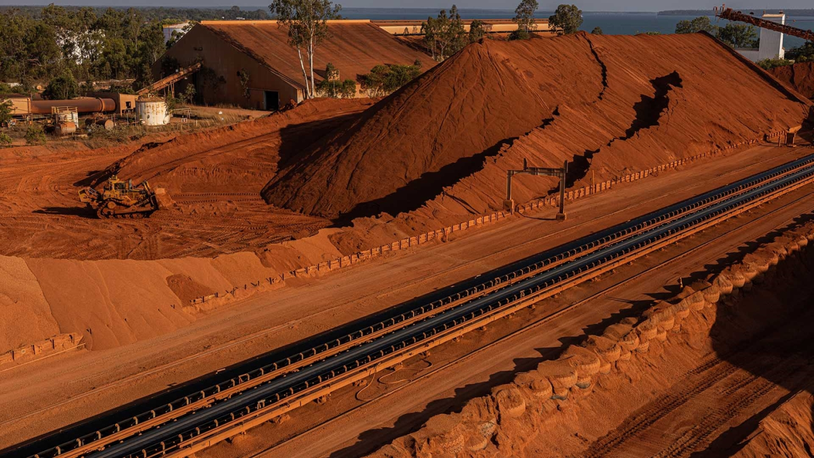
Behind this, Guinean bauxite exports were estimated to be up 35% year-on-year in January–August, while Brazilian and Australian iron ore exports were roughly 2% higher year-on-year, supporting Chinese import growth after a weak first half.
Chinese buyers also rebuilt stocks of iron ore, bauxite and soya beans, helping to keep longhaul employment high.
MSI argued that much of this strength was driven by temporary stockbuilding and pointed out elevated inventories in China, combined with the usual Lunar New Year slowdown, were expected to weigh on imports in early 2026.
At the same time, fleet growth was set to accelerate: MSI forecast deliveries of 35M dwt in 2025 and a further 42M dwt in 2026.
The Panamax/Kamsarmax bulk carrier segment looks particularly exposed, with roughly 16M dwt scheduled for delivery and coal trade fundamentals described as weak, while a 12M dwt Handymax orderbook also points to an oversupply risk.
Scrapping has done little to offset this incoming tonnage, with Clarksons estimating only 11M dwt had been sold for recycling year-to-date, 33% above the 2024 run-rate but still 56% below the 10-year average.
GMS described sub-continent recycling markets as ’lowly’, with many bulk candidates attracting less than US$400/ldt as volatile steel prices, weak currencies and limited yard capacity kept prices in check.
Bangladesh continued to offer the highest levels, around the low US$400s/ldt for larger, good-quality units, but overall supply of bulkers to yards remained sparse.
GMS noted that, structurally, the recycling sector was still adjusting to the Hong Kong Convention with Pakistan’s Prime Green Recyclers becoming the first HKC-compliant yard in Gadani after Bureau Veritas approval, while GMS reported that 21–22 Bangladeshi yards have already secured accreditation and Indian yards have held HKC status for years.
Yet with demolition economics unattractive, these investments have not yet translated into significant bulker removals.
Sign up for Riviera’s series of technical and operational webinars and conferences:
- Register to attend by visiting our events page.
- Watch recordings from all of our webinars in the webinar library.


Related to this Story


Events
Offshore Support Journal Conference, Middle East 2025
09 Dec 2025DUBAI
Maritime Regulations Webinar Week
16 Dec 2025GMT - ONLINE
Maritime Decarbonization Conference, Americas 2026
22 Jan 2026HOUSTON
Offshore Wind Journal Conference 2026
02 Feb 2026London
© 2024 Riviera Maritime Media Ltd.


