


Business Sectors
Events
Offshore Support Journal Conference, Middle East 2025
 09 Dec 2025
 DUBAI
DUBAIContents
Register to read more articles.

Offshore wind industry set for a reset
Recent weeks have seen glaring disparities in the offshore wind market that illustrate why it has reached a crisis point


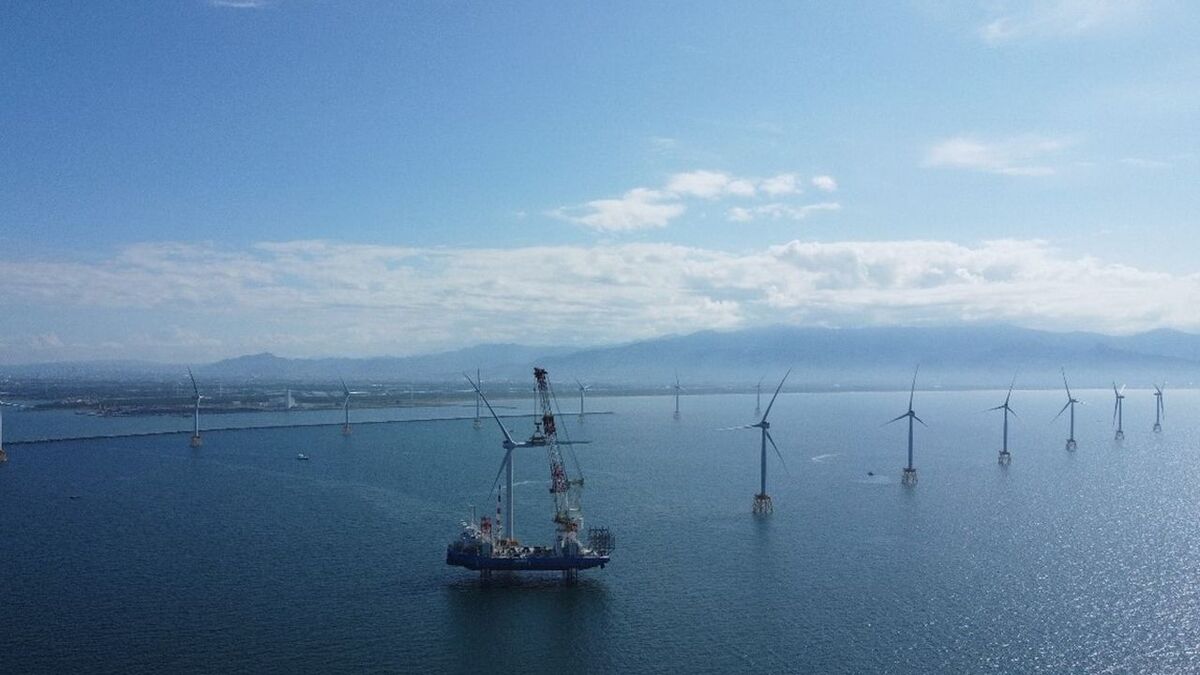
In the recent German auction, two oil majors, BP and TotalEnergies, paid stunningly high prices for 7 GW of offshore wind capacity. For the first time in Germany, the auction used a dynamic bidding process that encouraged negative bidding. The process was a significant success in one sense, in that it secured huge payments to the government, but it raised questions about the effect on the supply chain and concerns about market concentration.
Not long afterwards, one of the leading developers in the UK market, Vattenfall, confirmed it had halted development of the 1.4-GW Norfolk Boreas offshore windfarm. In 2022, Norfolk Boreas was awarded a contract-for-difference (CfD) at a UK record low price of £37.35 MWh (US$48.27 MWh), But the global economic situation has changed dramatically since then and apart from Europe, developers in the US are also experiencing severe difficulties.
Demand for fossil-free electricity is greater than ever and is growing all the time. Many countries see offshore wind as the best way to meet that demand. Countries such as Colombia, Brazil, Australia, New Zealand, Japan and South Korea are all looking to offshore wind, but inflation and higher capital costs are severely affecting the industry.
After a decade of rapid cost reduction and inexorable industry growth, very low strike prices mean some projects are no longer viable. As Regen director Johnny Gowdy pointed out on the OWJ website, several factors have brought the industry to this point: the first is inflation; the second is rising interest rates and international competition for capital; the third is the timing of contract for difference auctions; and last but not least, a degree of over-optimism among bidders and the supply chain. Projects that managed to secure finance before the latest interest rate spike are in a better position than those that did not, but even with an inflationary adjustment, some bidders got the price wrong and, unfortunately, there is no easy way within the CfD framework to renegotiate prices.
The results of the UK’s Allocation Round 5 (AR5), to be announced shortly, will be keenly watched, not least because the price set is similar to earlier allocation rounds, which took place before inflation took hold. Delays to more AR4 projects and a poor response to AR5 could see a pipeline gap open up which would be detrimental to industry in the UK, and mean the UK misses its own, very ambitious build-out target.
Until the Russian invasion of Ukraine, the oil and gas industry was on its knees. Now, the oil price has risen, and the industry has been through its own reset. Offshore wind is one of the key planks of energy security and the transition in the EU, US, UK and many other countries, and a reset needs to start immediately given the changed the economic landscape.
Sign up for Riviera’s series of technical and operational webinars and conferences in 2023:
- Register to attend by visiting our events page.
- Watch recordings from all of our webinars in the webinar library.
Related to this Story


Events
Offshore Support Journal Conference, Middle East 2025
09 Dec 2025DUBAI
Maritime Regulations Webinar Week
16 Dec 2025GMT - ONLINE
Maritime Decarbonization Conference, Americas 2026
22 Jan 2026HOUSTON
Offshore Wind Journal Conference 2026
02 Feb 2026London
© 2024 Riviera Maritime Media Ltd.


