


Business Sectors
Business Sectors
Events
Contents


Sustainability in container shipping: a shipper's perspective
How shippers are factoring in sustainability in their carrier selection


With a career spanning logistics and procurement roles at companies such as Afton Chemical, VINMAR, Colgate and currently Solvay, as well as managerial positions in both the freight forwarding and ocean carrier sectors, I have developed a comprehensive perspective on the evolving container shipping industry. Having worked across multiple continents for global shippers and logistics providers, I have witnessed firsthand the challenges and opportunities shaping the industry. This article presents my independent insights based on market observations and professional experience, rather than an endorsement of any specific company or organisation I have been affiliated with.
Sustainability and carrier selection
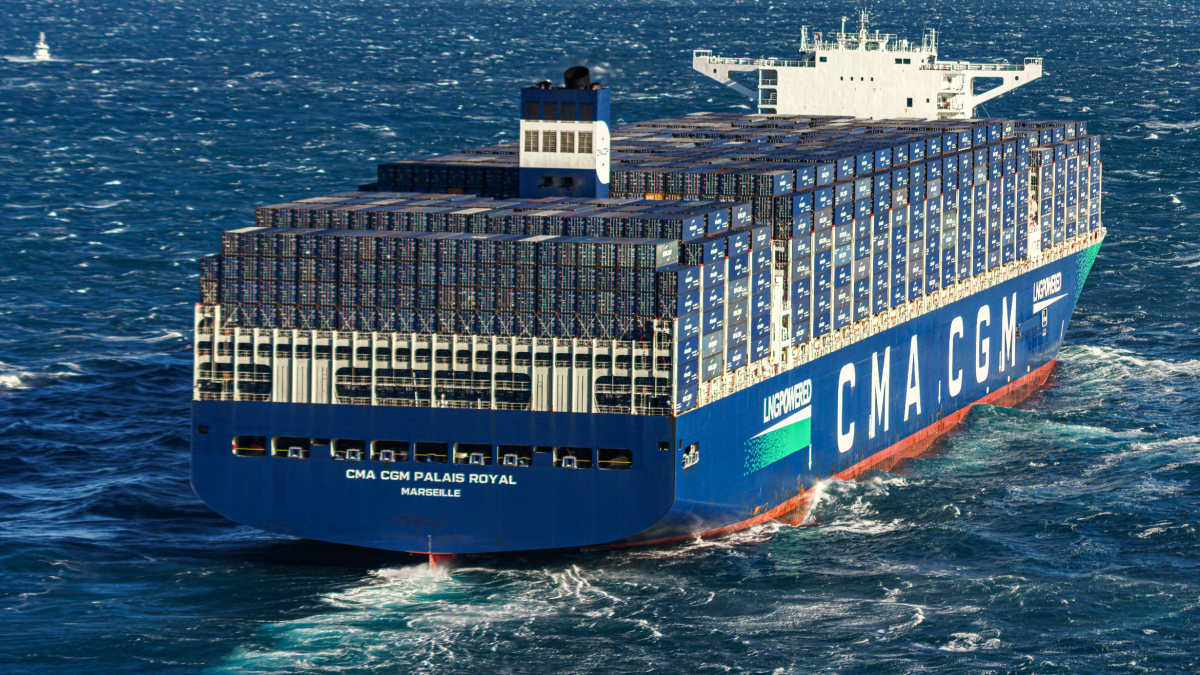
In today’s supply chain ecosystem, shippers are increasingly factoring in sustainability when choosing container shipping partners. Carbon emissions, fuel efficiency and alternative energy sources are central to the conversation. Shipping lines investing in biofuels, liquefied natural gas (LNG), and even methanol-powered vessels are positioning themselves as leaders in the race to reduce maritime emissions. However, adoption remains inconsistent across carriers and trade lanes.
For shippers, the challenge lies in balancing cost efficiency with sustainability objectives. While some companies are willing to pay a premium for environmentally friendly shipping solutions, others face budgetary constraints that make it difficult to justify additional expenditures. The question remains: how much of the sustainability burden should shippers bear?
Who pays for sustainability?
The cost of meeting stringent environmental regulations, such as IMO’s decarbonisation roadmap and the EU Emissions Trading System, is a major concern for both carriers and shippers. The IMO 2023 Carbon Intensity Indicator was an important step, but new mid-term measures being finalised in 2025 will shape the trajectory of shipping decarbonisation.
These measures will establish reduction targets and economic incentives to encourage sustainable practices. The introduction of carbon levies and penalties for exceeding emissions thresholds is expected to add further complexity to cost-sharing between carriers and shippers. While some shipping lines are incorporating sustainability surcharges into their pricing, others have chosen to absorb some of the financial burden to maintain competitiveness. However, with increasing regulatory pressure, we can expect a shift in how the industry allocates these costs.
From a procurement perspective, transparency is key. Shippers need clear visibility into how sustainability initiatives are funded and whether green premiums are justified.
Standardised reporting on carbon footprint reductions and sustainability investments would enable better comparisons across carriers and facilitate informed decision-making.

The future of alternative fuels
Alternative fuels represent one of the most promising pathways to reducing maritime emissions. Biofuels, LNG, methanol and even hydrogen-based solutions are being explored as viable alternatives to traditional marine fuels. However, each option comes with challenges. LNG infrastructure remains underdeveloped in many key ports, while biofuel scalability is still a concern. Methanol and ammonia, though promising, require further technological advancements and regulatory support to reach widespread adoption.
Shippers are monitoring these developments closely, as fuel choices directly impact both freight rates and long-term sustainability commitments. Collaborating with carriers that demonstrate a clear roadmap for alternative fuel adoption can be a strategic move, particularly for companies with ambitious decarbonisation targets.
For example, some shippers are looking to align their sustainability goals with broader industry efforts. Companies in hard-to-abate sectors, such as chemicals, are exploring partnerships and alternative fuel sources to reduce emissions across the supply chain. Solvay, for instance, has committed to carbon neutrality for all its businesses by 2040, with its soda ash segment targeting 2050. As part of its sustainability roadmap, Solvay is transitioning from coal to biomass and waste-derived fuels in some of its European production sites, cutting emissions equivalent to removing thousands of cars from the road annually. While this initiative focuses on industrial decarbonisation, it signals how major shippers are seeking supply chain solutions that align with broader emissions-reduction goals, including in ocean freight.
What more needs to be done?
While the container shipping industry has made strides in sustainability, significant gaps remain. More aggressive investments in green technologies, port infrastructure enhancements, and cross-industry collaboration are needed to accelerate progress. Beyond financial incentives and regulatory compliance, meaningful collaboration between shippers and ocean service providers is essential to unlocking new opportunities for sustainable savings.
Strategic engagement between shippers and carriers can help identify optimised shipping routes that reduce carbon emissions and bunker fuel consumption while maintaining efficiency. Shipping lines should proactively work with their customers to explore operational improvements, such as slow steaming, cargo consolidation and leveraging advanced routeing technologies to enhance sustainability. These co-operative efforts not only contribute to emissions reduction but can also drive cost efficiencies for both parties.
Additionally, it is crucial that ocean freight service providers adhere to the highest sustainability standards, such as Ecovadis ratings, or initiatives such as Together for Sustainability and Responsible Care. Shippers should prioritise carriers that actively commit to these programmes, as they reflect a broader corporate responsibility towards environmental and social governance. By holding suppliers to higher sustainability benchmarks, the industry can drive a collective shift toward more responsible and transparent shipping practices.
Furthermore, data transparency should be improved. Standardised sustainability metrics and third-party verification of emissions reductions would enhance accountability across the supply chain. Shippers should push for clear commitments from carriers and ensure that sustainability claims are backed by measurable results.
Conclusion
Sustainability in container shipping is no longer a peripheral concern; it is a defining factor in the industry’s long-term viability. The ability to integrate environmental responsibility with operational efficiency will determine which players remain competitive in an increasingly regulated and scrutinised market. Shippers and service providers alike must recognise that sustainability is not just about compliance — it is a business imperative that demands proactive collaboration, investment and innovation.
A future of sustainable shipping requires shippers and carriers to engage in open dialogue, embracing solutions that prioritise environmental stewardship without compromising economic performance. Strategic partnerships that align sustainability initiatives with cost-effectiveness will drive the industry forward, ensuring long-term resilience and profitability. By embedding sustainability into the core of procurement and logistics strategies, stakeholders can future-proof their operations, mitigate risks, and contribute meaningfully to global decarbonisation goals.
Sign up for Riviera’s series of technical and operational webinars and conferences:
- Register to attend by visiting our events page.
- Watch recordings from all of our webinars in the webinar library.


Related to this Story


Events

© 2026 Riviera Maritime Media Ltd.


