


Business Sectors
Business Sectors
Events
Contents

Register to read more articles.
Financial advisor says offshore wind market has turned a corner
After a period of uncertainty, the offshore wind market has turned a corner, as the UK’s most recent auction, AR7, and statements by European countries attest


The last couple of years have not been straightforward ones in the offshore wind sector, which has endured significant headwinds as a result of concerted political action against it in the US, adverse economic trends and the failure of governments to quickly revise auction designs to reflect new realities. Auctions for new offshore wind capacity failed, and a leading developer of offshore wind was forced into a rights issue and announced plans to shed a quarter of its workforce.
After a decade of fast growth, the investment climate for offshore wind had become more challenging than it once was. It remains challenging, but the good news is that governments – which, except the Trump administration, remain committed to offshore wind – have begun to address this, and late 2025 and early 2026 have brought much good news for an industry that remains resilient.
The results of the UK’s most recent auction for offshore wind capacity secured a stunning 8.4 GW of capacity, but perhaps the most important piece of good news is that European countries – and many elsewhere – remain very much committed to offshore wind. Nine countries bordering the Northern Seas have recently signed an investment pact, making major commitments to expand offshore wind capacity, providing the industry with the security it needs to invest.
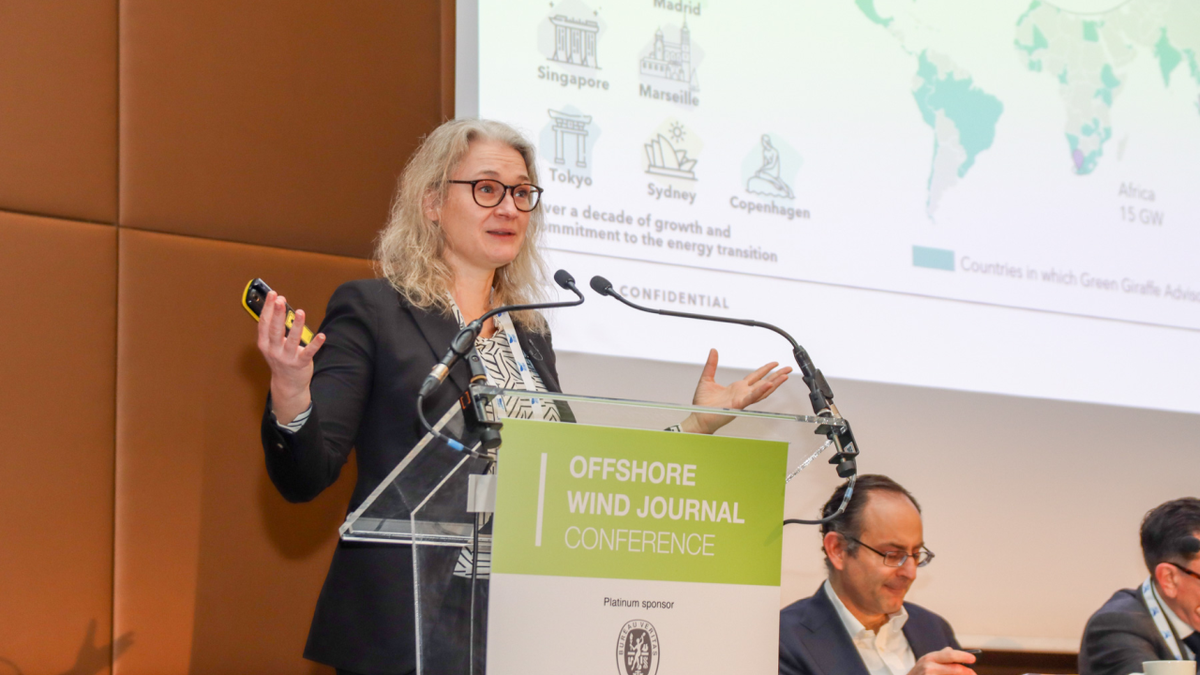
These, and other developments, were the subject of a wide-ranging interview at the 2026 Offshore Wind Journal Conference with Barbara Zuiderwijk, managing director of Green Giraffe Advisory, who has a track record in the contracting and financing of offshore windfarms in Northern Europe and elsewhere.
Sign up for Riviera’s series of technical and operational webinars and conferences:
- Register to attend by visiting our events page.
- Watch recordings from all of our webinars in the webinar library.
Events
© 2026 Riviera Maritime Media Ltd.


