


Business Sectors
Business Sectors
Events
Contents

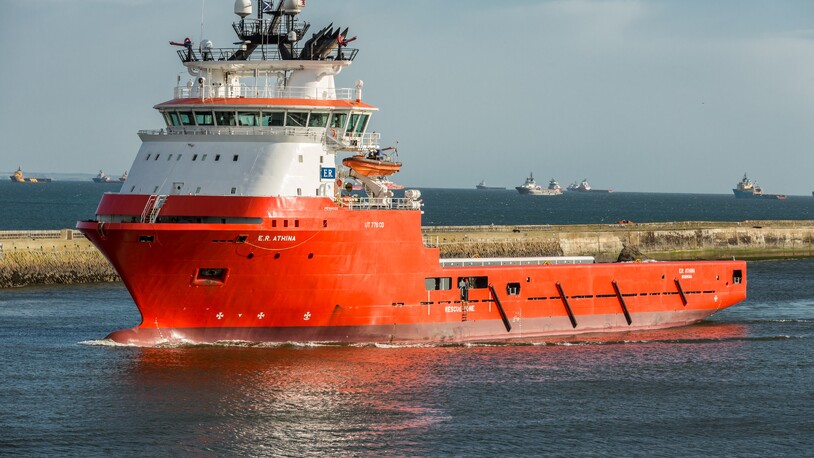
Extending uptime and performance using fuel management
In Brazil, offshore support vessel contracts operate differently from most global markets. The contracts are awarded based on two factors: day rate and declared fuel consumption


At tender, vessel owners have to define expected fuel usage across their operating modes, often for contracts that extend beyond four years. Performance is reviewed quarterly, while fuel is fixed at the time of the bid. Because performance is not fixed, it becomes a critical consideration for vessel owners.
Over the life of a contract, fuel consumption typically increases due to factors such as weather and sea conditions, equipment degradation, hull fouling, or changes in operating profile. The result: a growing gap between declared and actual performance.
Engine efficiency naturally declines as components accumulate hours, and losses can easily go undetected until they trigger a penalty event. Small deviations that seem manageable in the first year of a contract can develop into significant gaps by the third or fourth year. Under Petrobras’ terms, those gaps become a recurring and painful financial exposure.
Revenue Impact
Petrobras contracts typically allow vessels just a single optional maintenance day per month – without the day rate, which can exceed US$45,000 a day. This forces vessel owners into a difficult tradeoff that can compound over the life of a contract. On the one hand, they lose considerable income by taking a maintenance day but, if they don’t, they gamble with increased equipment failure risk due to deferred maintenance. And failures will be far more costly than planned downtime.
The answer for increasing numbers of vessel owners is the Fueltrax fuel management system. It provides visibility of performance changes, allowing reductions in engine load and slowing wear accumulation. Maintenance becomes proactive, not reactive.
Not only do vessel owners see reductions in fuel usage of 15 to 20% with Fueltrax, they benefit from extended maintenance intervals and reduce unplanned downtime. Avoiding gaps between declared and actual performance yields more operational days over the life of the contract.
How it Works
Fueltrax combines onboard measurement with active management. Fuel flow, engine
and generator load, and operational behavior across all operating modes are monitored in real time. The system actively tracks not only excess fuel consumption but also equipment that may be operating outside the optimal ranges, along with unnecessary runtime and early indicators of degradation.
Active management involves Fueltrax working directly with vessel crews and shoreside teams to continuously optimize performance. It is a unique mix of hardware precision and human engagement that goes far beyond typical passive monitoring.
Owners see reduced fuel penalty exposure, thanks to the predictable consumption that Fueltrax enables. In addition, reduced runtime slows engine wear and allows owners to defer hundreds of thousands of dollars in maintenance costs annually. They protect their day rate income and increase their total billable days.
For vessels under Petrobras contracts, the combination of improved fuel performance, optimal maintenance timing, and greater uptime can easily yield a million-dollar gain annually per vessel.




Related to this Story

Events

© 2026 Riviera Maritime Media Ltd.


