


Business Sectors
Business Sectors
Events
Contents
Register to read more articles.
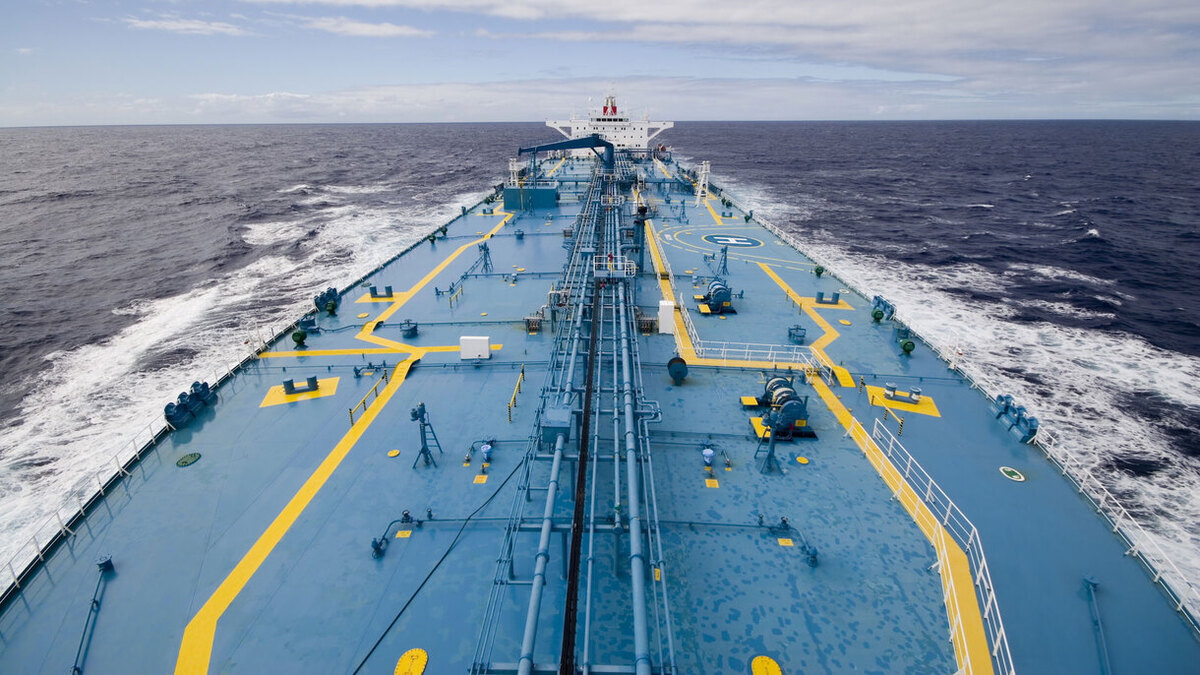
Greek owner details sanctioned tanker fleet, representing 9% of global tonnage
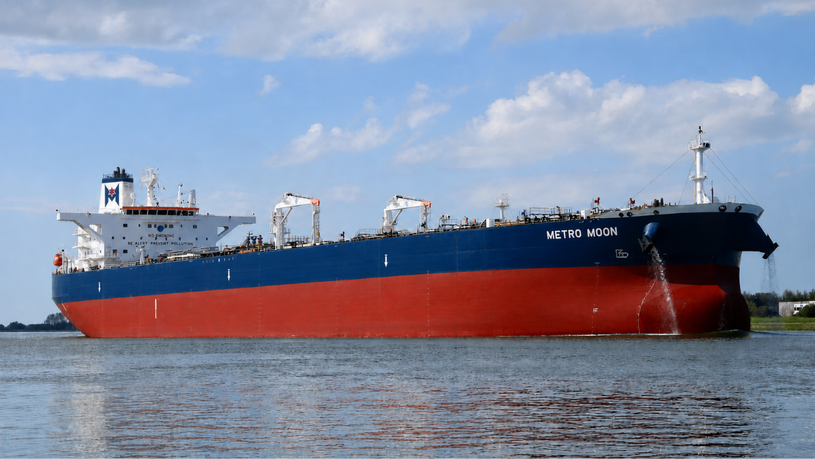
Tankers targeted by sanctions from the US, UK and EU now represent 9% of the total active fleet, according to an investor presentation by Greek shipowner Navios Maritime Partners


During its Q4 earnings investor call, the Angeliki Frangou-led company provided a detailed breakdown of the sanctioned tanker fleet. Out of 5,316 active tankers, 459 vessels fall under sanctions, based on data from the US Office of Foreign Assets Control (OFAC), Clarksons Research and Clarksons Securities.
The Aframax segment has been the hardest hit, with 150 vessels – 21% of the global Aframax fleet – under sanctions. VLCCs follow with 95 ships (10% of the fleet), while 72 Suezmax tankers (11% of the segment) are also affected. Additionally, sanctions impact 41 LR2 tankers (9% of the fleet) and 80 MR2 vessels (5% of the fleet).
Navios noted that China and India, two large importers of Russian oil following the Russia-Ukraine war, have stated they will not allow OFAC-sanctioned tankers to discharge cargo. According to Bloomberg, Turkey’s largest oil refiner – one of Russia’s key customers – has also begun limiting purchases to avoid US penalties.
However, it remains to be seen how strictly these restrictions will be enforced. Bloomberg data indicates that Russia’s idle tanker numbers have increased, with around 60% of the active tankers blacklisted by the US in January ceasing operations – either for Moscow or any other buyer.
Market impact
According to Navios, the latest US crackdown on Russia’s ’dark fleet’ has pushed tanker spot rates higher. On the Middle East Gulf to China route, VLCC spot rates surged by 41% between 9 January and 11 February.
Notably, rates spiked sharply in the days following the 10 January sanctions announcement, before correcting slightly – but still remain above previous levels. Shipbrokers have also reported increased interest in time charter contracts, particularly for VLCCs.
Meanwhile, geopolitical uncertainty continues to weigh on market sentiment. While US President Donald Trump described a “lengthy and highly productive” phone call with Vladimir Putin on 12 February, analysts are also closely monitoring developments with Iran. The new US administration has vowed to restore "maximum pressure" on Tehran, with OFAC recently imposing sanctions on individuals and firms accused of facilitating Iranian oil shipments.
The oil market remains highly volatile, heavily influenced by White House decisions on sanctions, tariffs and efforts to drive down oil prices, shipbroker Charles Weber noted in a recent report.
Riviera’s International Chemical & Product Tanker Conference will be held in London, 22-23 April 2025. Click here for more information on this industry-leading event.

Related to this Story
Events

© 2026 Riviera Maritime Media Ltd.


