


Business Sectors
Business Sectors
Events
Contents
Gothenburg embraces green harbour operations as major convention approaches
Introducing the world’s first methanol-hybrid tug and investing in shore power and alternative fuels make Scandinavia’s largest port a leader in reducing emissions


Port of Gothenburg, Sweden, is a major logistics hub in Scandinavia and a leader in adopting green technology to lower emissions from ship handling, docking and cargo transport.
It has become a hub for bunkering alternative fuels, particularly LNG, methanol and biofuels, and is investing in green shipping corridors and shoreside power.
By 2030, the Port of Gothenburg aims to reduce carbon emissions by 70%, at sea, in the terminal areas and on land.
The transition is being carried out in close collaboration with industry, regulators, academia, shipowners, operators and stakeholders across the entire transport chain.
Port of Gothenburg has also strengthened its safety and security protocols using enhanced perimeter protection, multi-agency collaboration and advanced digital operational systems.
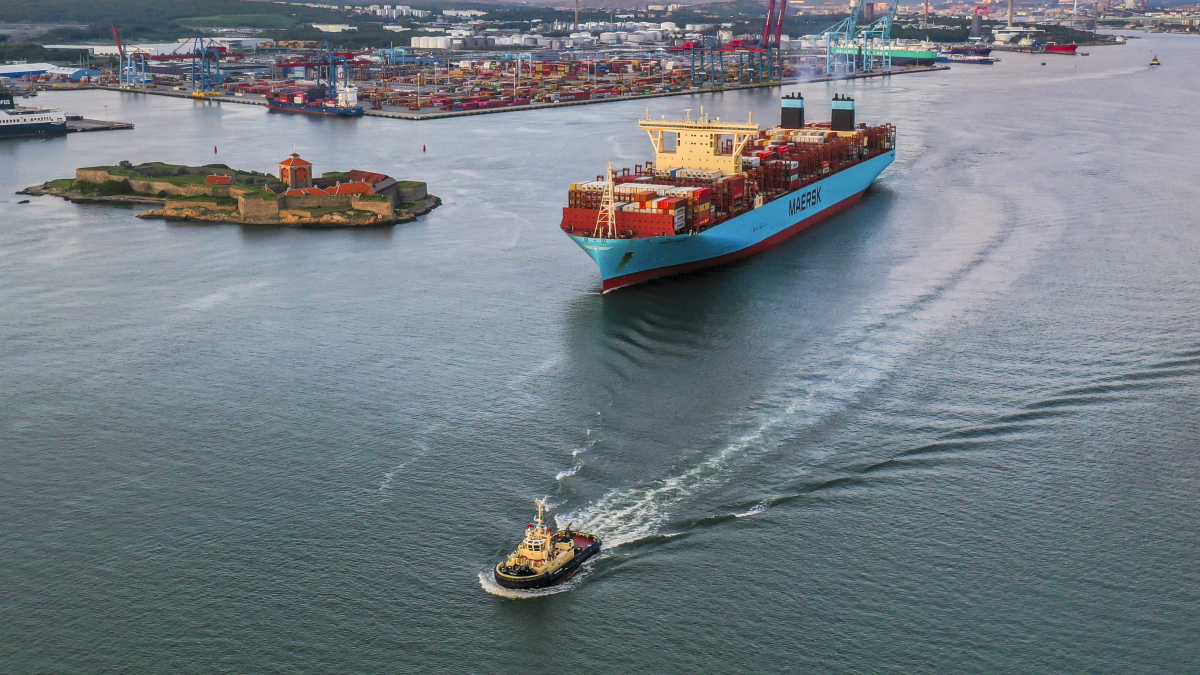
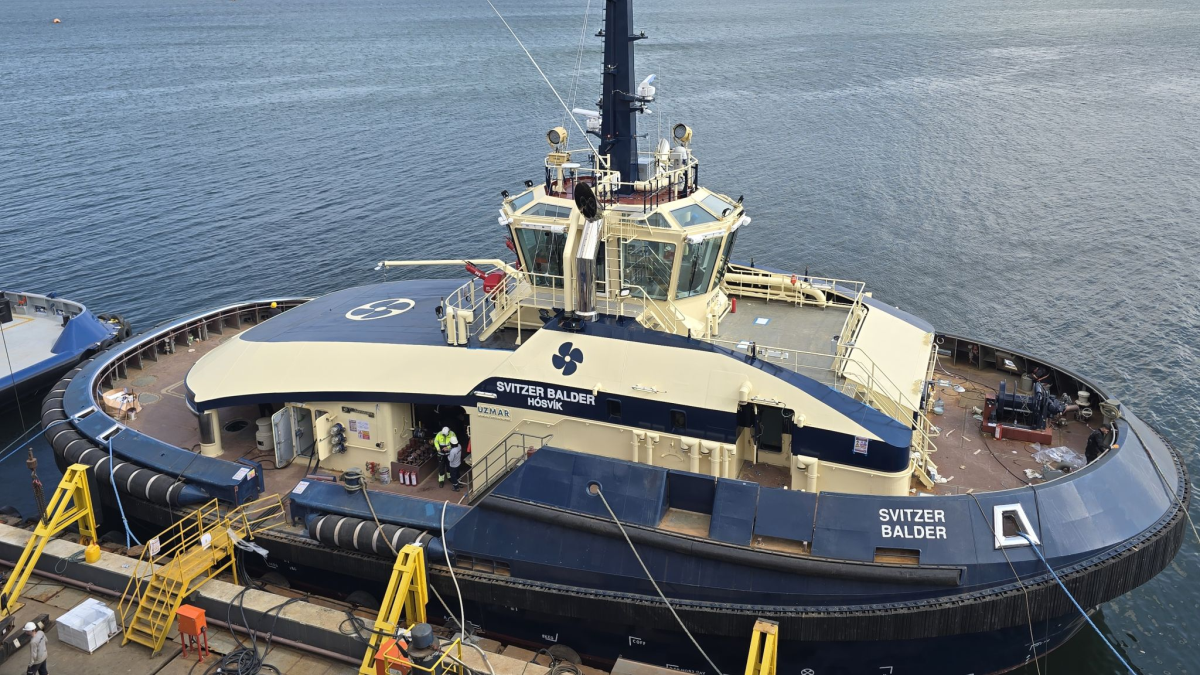
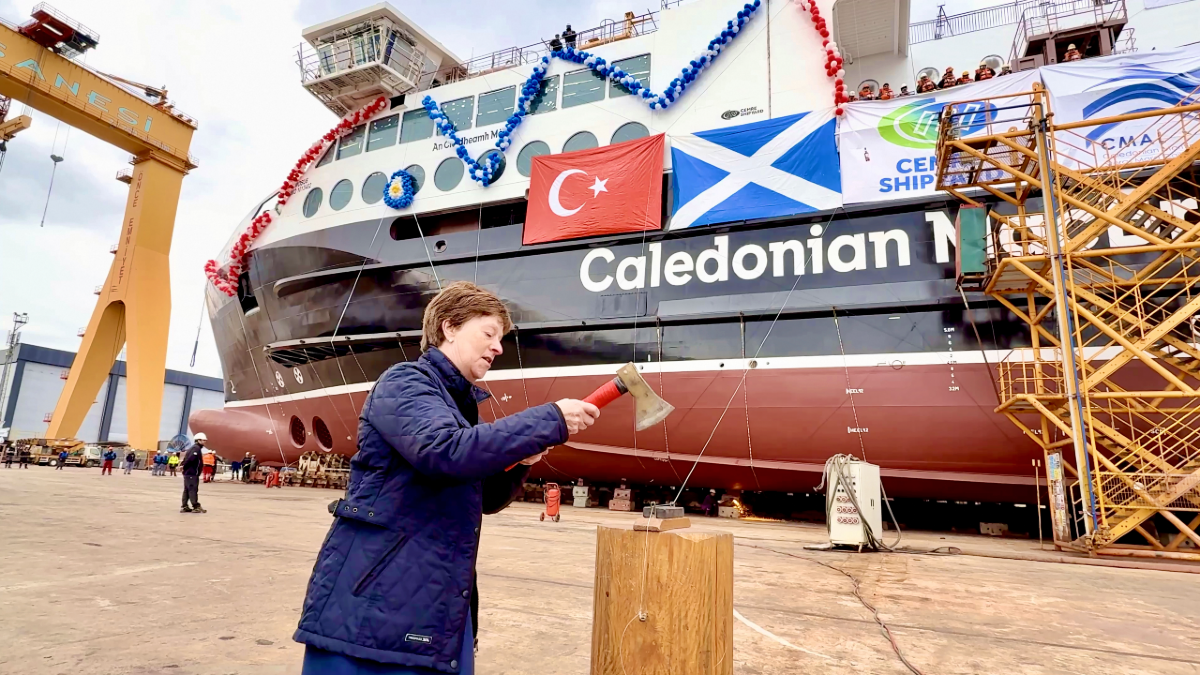
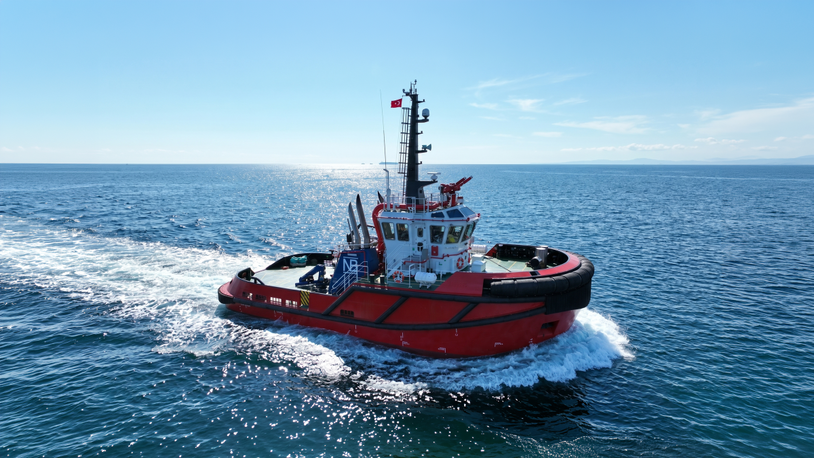
In 2026, the port is supporting the deployment of next-generation tug technology through its collaboration with Danish owner Svitzer. Most notably, Svitzer Balder, the world’s first battery-methanol powered tugboat, has been launched at Uzmar’s shipyard in Turkey, and is set to operate in Gothenburg in 2026, enabling near-zero emissions during towing, manoeuvring, and docking operations.
“We continue developing toward a sustainable world”
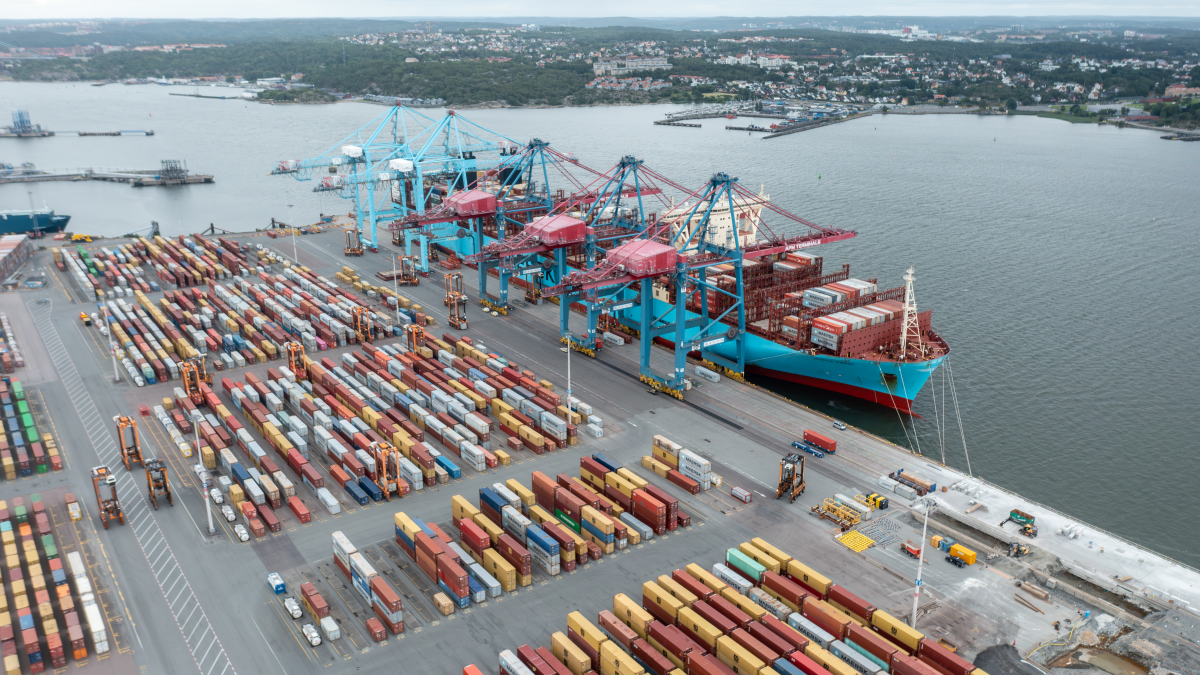
Port of Gothenburg is a key logistics hub for the entire Nordic region, and has Scandinavia’s largest container terminal, operated by APM Terminals, and the largest car roro facilities.
It is a driving force for sustainability in northern Europe, with the port supporting sustainable transport through green corridors, prioritising electric vehicles, delivering alternative fuels and investing in shore power at berths.
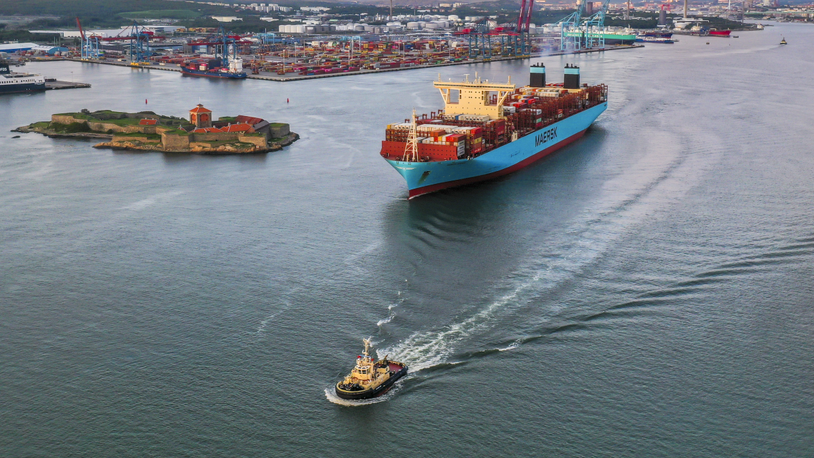
The port enables ships to refuel with both traditional fuels and sustainable alternatives such as LNG, methanol, and biofuels. It has offered LNG fuels since 2016 and ship-to-ship methanol bunkering since 2023, with Stena and Maersk Line regular users of these fuels.
In mid-2025, Inter Terminals signed a 25-year deal with the Port of Gothenburg to invest in bunkering facilities for biofuels and methanol. In September 2025, Furetank secured access to biogas, enabling its Europe-based fleet to operate entirely on renewable fuels.
When its 2025-built tanker, Fure Valö, visited the Port of Gothenburg, it bunkered renewable biodiesel HVO100 as a pilot fuel for its gas-fuelled engines.
Höegh Autoliners’ Aurora-class vehicle carriers, with dual-fuel engines, are powered by LNG and diesel, and bunker in Gothenburg . The vessels are also ready to use ammonia as fuel when it is readily available.
Port of Gothenburg has onshore power supply (OPS) units across its terminals, enabling ships to switch off their engines in port. At the roro terminal in Älvsborg Harbour, DFDS uses OPS facilities, and Stena Line’s ferries use an OPS at berths in German and Danish ropax terminals in the city harbour.
In May 2025, under a two-week pilot project, a hydrogen-powered generator was connected to Stena Line’s OPS and supplied electricity to Stena Germanica and Stena Scandinavica while docked. Linde Gas supplied green hydrogen to the generator developed by Hitachi Energy and PowerCell Group.
This technology is already used in the port by Skanska to power heavy machinery used in a terminal expansion project. Construction is set to start in 2026 on Coastal Quay 2.0, which will build a 300-m quay for renewable energy cargoes at the energy port.
The port is also building a ferry terminal in Arendal, expected to open in 2029, to reduce the number of lorries driving through the city centre.
“New ways of solving problems are required”
Port of Gothenburg is also trialling a hydrogen refuelling station for lorries and work vehicles. Berths at the energy terminal will have OPS to provide electrical power to berthed tankers by 2030.
The port’s first green corridor is opening to Rotterdam, the Netherlands, in 2026, and there are plans for another to Zeebrugge, Belgium.
Port of Gothenburg chief executive Göran Eriksson said the port has “solid foundations to build upon as we continue developing toward a sustainable world.”
AF Bygg Vast has been contracted to construct a transformer station serving the container and car terminals, to enable shoreside power connections at seven berths by 2030. The facility will facilitate simultaneous connections at five berths in the container terminal and two in the roro terminal.
“In times of economic volatility, geopolitical instability, and climate crisis, new ways of solving problems are required,” said Mr Eriksson. “In a changing world, we must think anew, and now is the time to move from innovation to scaling up.”
The transformer station could handle incoming power at 19 MVA, with each berth connection designed for 4 MVA, with completion expected in 2027.
Port of Gothenburg estimates that 5,600 tonnes of CO2 emissions will be reduced from container ships annually.
In January, Norwegian hydrogen company Hydrogen Solutions announced plans to build a hydrogen electrolyser in the port, to begin operations in 2029, to produce 4 tonnes of hydrogen per day for up to 20,000 litres of diesel for lorries.
At the end of 2025, Wallenius Wilhelmsen started operating the Port of Gothenburg car and roro terminal, GIART, for 12 years, developing a regional hub for logistics and incorporating sustainability from the start, including vehicle charging infrastructure and energy-efficient systems.
In 2025, Wallenius Wilhelmsen and Svitzer signed a global EcoTow agreement for ship-handling, powering tugs with alternative fuels and energy-efficient technologies. Beginning in April 2025, this programme has already reduced fuel usage and CO2 emissions during towage by 15%-20%.
Record year of trade
2025 was a record year for the Port of Gothenburg, with 934,000 TEU of containers handled, representing 4% growth over 2024, and an increase of 5% in container cargo transported by rail to 529,000 TEU.
Intra-European roro traffic rose to 525,000 units, but vehicles handled dropped 2% despite a strong recovery in Q4 2025.
Port of Gothenburg is Sweden’s largest public energy port and is pivotal for the country’s energy supply. In 2025, 20.7M tonnes of energy products were handled at the port, down 5% on 2024 volumes, partly due to planned maintenance shutdowns and upgrades.
Gothenburg has become a major city for tourism and cruise ships. In 2025, cruise ship calls at the port increased by 13%, up to 63, and passengers travelling to and from Gothenburg rose 1% to 1.4M.
Q1 2026
Trade growth continued in Q1 2026 as the port was less impacted by global geopolitics affecting maritime cargo flows. During Q1, 234,000 containers were handled by the port, a 3% reduction. compared with the same period last year, partially due to lower volumes of empty containers.
“Reduced handling of empty containers improves the efficiency of cargo flows,” said Port of Gothenburg vice president for sales and marketing, Claes Sundmark.
“The underlying factor is a continued increase in imports, which has further strengthened the port’s already strong balance between imports and exports, now close to a 50–50 split.”
Car handling in the port increased significantly during the quarter, with 71,000 cars being handled, representing a 15%, year on year, driven by growth in the transshipment of cars.
The Port of Gothenburg’s intra-European roro traffic consists of rolling cargo shipped on vessels with frequent departures to strategically important logistics hubs in northern and central Europe.
Volumes decreased by 2%, partly due to planned vessel maintenance that temporarily lowered capacity.
Refineries experienced strong demand for their products in Q1, leading to a 19% increase in volumes handled across the quay.
The port said throughput of energy products was not directly affected by the blockade of the Strait of Hormuz, between Iran and Oman, as the products handled in Gothenburg predominantly originate from the North Sea or North America.
In other segments, dry bulk handling, such as forest products, sand and gravel, increased by 29% following several quarters of weaker development.
The cruise season started unusually early this year, with five calls during Q1 2026. The port has cruise calls scheduled for every month in 2026. The total number of passengers for both cruise and ferry traffic increased by 8%.
In April 2026, the Port of Gothenburg signed a contract with Boskalis Sweden for blasting and dredging works as part of Skandia Gateway.
This work forms part of the port’s contribution to the wider Skandia Gateway project, which will deepen the fairway into the harbour from today’s vessel draught of 13.5 m to a maximum of 17.5 m.
This will enable more, larger, and deeper-draught vessels to call at Scandinavia’s largest port.
Skandia Gateway is a strategic project designed to secure Sweden’s direct access to the world. As vessel sizes continue to grow, the current fairway depth already limits the ability of large vessels to call at the Port of Gothenburg fully loaded.
Riviera ’s 28th International Tug & Salvage Convention, Exhibition & Awards (ITS 2026) will be held, in association with Caterpillar Marine, in Gothenburg from 19-21 May 2026, where its latest tugs and environmental achievements will be demonstrated.
The related conference will include a presentation by Port of Gothenburg’s manager of port control and of the harbour masters’ office, Fredrik Rauer, covering aligning the efforts of port authorities, terminal operators, vessel crews, tug operators and regulatory bodies to minimise risks, streamline workflows and maintain high standards of safety and service delivery.
The 28th International Tug & Salvage Convention, Exhibition & Awards will be held in Gothenburg, Sweden, in association with Caterpillar, 19-21 May 2026. Use this link for more details of this industry event and the associated social and networking opportunities.
Related to this Story
Events

Maritime Regulations Webinar Week
 16 Dec 2025
 GMT - ONLINE
Floating energy: successfully unlocking stranded gas using FLNGs and FSRUs
24 Feb 2026GMT - ONLINE
© 2026 Riviera Maritime Media Ltd.


