


Business Sectors
Business Sectors
Events
Contents

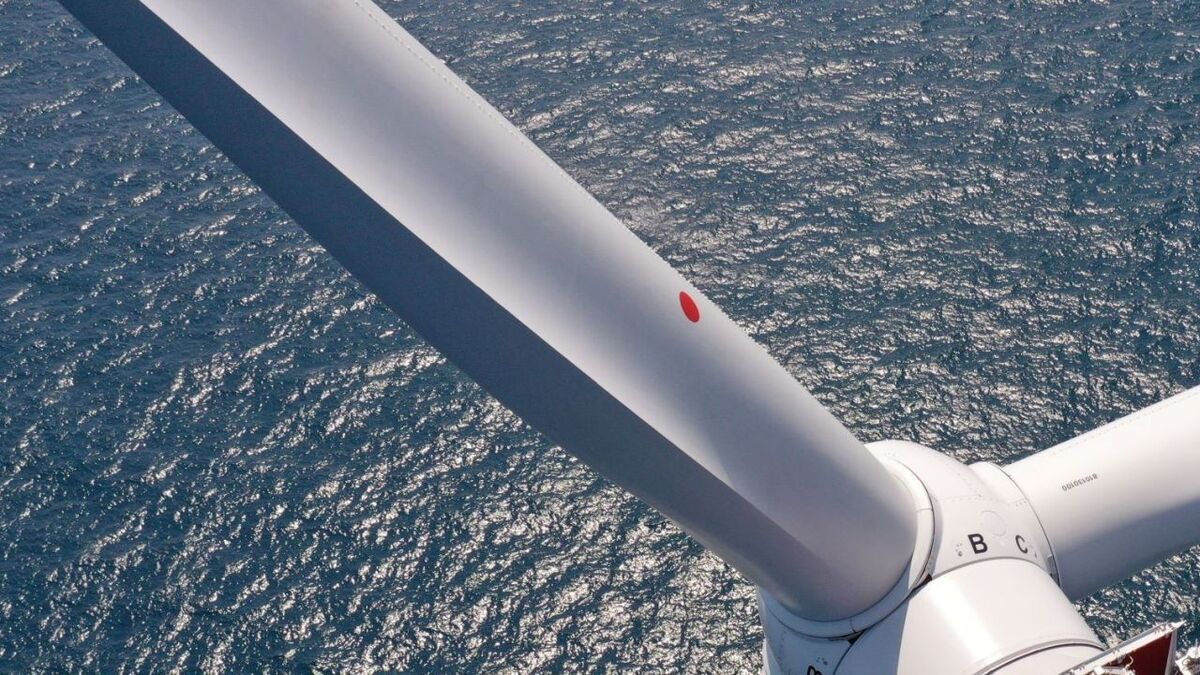
‘All the right signs:’ World Bank says offshore wind can quickly become competitive in Colombia
A report by World Bank Group has highlighted significant potential for the development of offshore wind in Colombia


The report is one of a series of offshore wind roadmaps developed by the World Bank Group under the Energy Sector Management Assistance Program (ESMAP) and the Offshore Wind Development Programme.
It considers the potential role that offshore wind can play in the development of the energy market in the country in the medium and long term and makes recommendations about the next steps in terms of policy formulation, planning and development of bankable projects. Two deployment scenarios (high and low) have been produced and serve as the basis for supporting analyses.
The report notes that the Caribbean coast of Colombia has abundant wind resources, and a total technical potential of approximately 109 GW of offshore wind. Considering environmental, social and other constraints, the analysis reveals there are development exploration areas of approximately 50 GW. Estimated net capacity factors for representative project sites – the amount of electricity they could produce relative to their full theoretical potential – suggest some sites offshore Colombia have some of the highest in the world.
The low scenario assumes offshore wind is developed and acquired in specific situations on an individual basis, in smaller size projects of less than 500 MW and without a national strategy and procurement programme dedicated to it. It is assumed the low scenario can be achieved without expanding the transmission system in the country, taking advantage of normal reinforcement of the grid and concentrating deployment closer to the load centres such as Cartagena, Barranquilla and Santa Marta. The low scenario forecasts 200 MW of offshore wind by 2030, 500 MW by 2040 and 1.5 GW by 2050.
The high scenario assumes offshore wind is developed at commercial scale, including projects at the 1-GW level, using a dedicated, technology-specific procurement programme. To achieve the 2030 goal, additional transmission improvements, which are not currently being considered, will need to be evaluated. To achieve the more significant volumes in the 2030-40 period, and especially in the 2040-50 period, it will be necessary to undertake a significant programme to enhance transmission capacity in the country. In the high scenario, it is assumed projects in the central and eastern coastal regions of the country are developed, in addition to early projects closer to coastal load centres. The high scenario projects 1 GW by 2030, 3 GW by 2040 and 9 GW by 2050.
“Offshore wind has the potential to address all aspects of the energy trilemma facing Colombia now, in the next 30 years and beyond,” said the authors of the report. “Offshore wind has the potential to add diversity to the energy system, on a large scale. Although offshore wind may be exposed to its own seasonality and weather-related risks, these will generally be different from those faced by hydropower solutions. Furthermore, when combined with emerging long-term energy storage solutions such as hydrogen, exposure to these risks can be reduced. The wind resource and infrastructure in Colombia show all the right signs for the offshore wind market to reach competitive levels relatively quickly.”
As highlighted by OWJ in December 2021, the government in Colombia is drafting a regulatory framework for offshore windfarms on its east coast.
Riviera Maritime Media will provide free technical and operational webinars in 2022. Sign up to attend on our events page


Related to this Story

Events

Maritime Regulations Webinar Week
 16 Dec 2025
 GMT - ONLINE
Floating energy: successfully unlocking stranded gas using FLNGs and FSRUs
24 Feb 2026GMT - ONLINE
© 2026 Riviera Maritime Media Ltd.


