


Business Sectors
Business Sectors
Events
Contents

Register to read more articles.
Scottish chamber sets out eight-point plan to ‘rescue’ North Sea investment
Aberdeen & Grampian Chamber of Commerce has published an eight-point plan to ‘restore confidence’ in the energy sector, including protecting Scottish offshore wind projects in the UK’s Strategic Spatial Energy Plan


The recommendations in the plan form part of the Chamber’s 44th Energy Transition Survey, produced in partnership with Johnston Carmichael and D2Zero, which, the Chamber says, “reveals increasing evidence of investment, resource and jobs leaving the UK due to more favourable business conditions in other energy producing regions around the world.”
The report calls on the UK Government to put energy security at the heart of policymaking and adopt what it called a more pragmatic approach that supports domestic oil and gas production alongside the development of cleaner technologies.
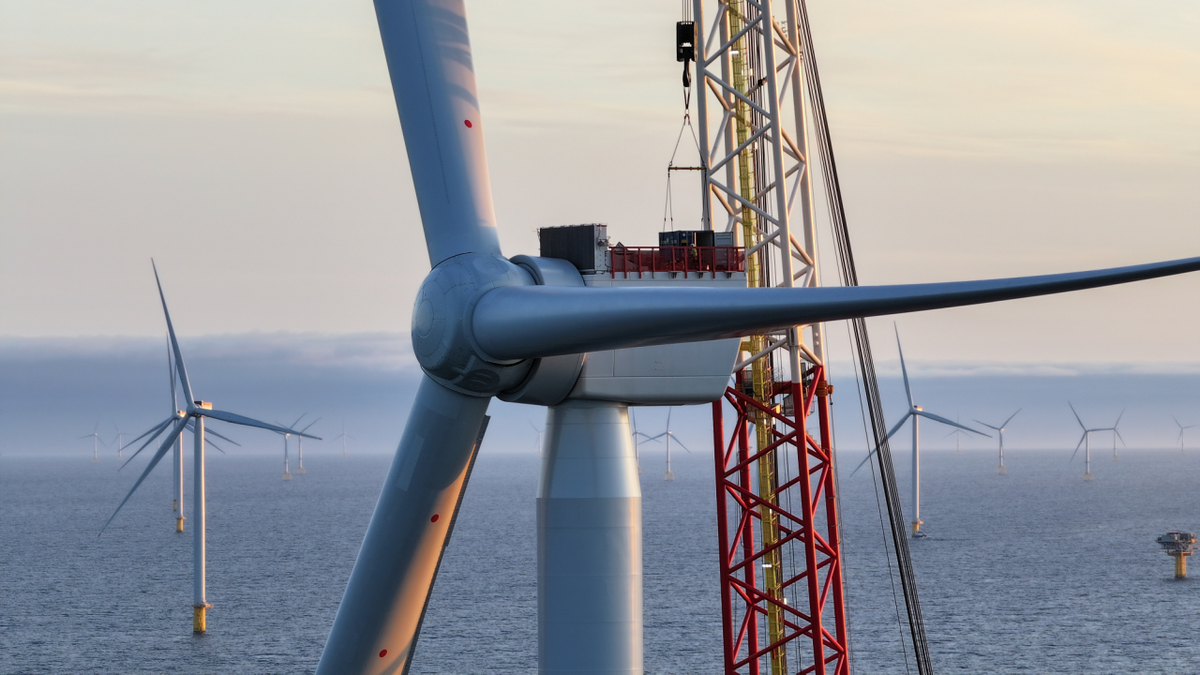
The report urges ministers to protect Scotland’s offshore wind pipeline, including floating wind, through the UK’s Strategic Spatial Energy Plan, the first integrated national blueprint for locating and timing electricity generation, storage, and hydrogen infrastructure.
It also calls for the introduction of the Oil & Gas Revenue Levy to be brought forward; for the government to honour all existing oil and gas licences and accelerate the introduction of Transitional Energy Certificates; reconfirm the UK Government’s commitment to carbon capture; accelerate investment by Great British Energy in major projects; and establish a single overarching economic regulator to reduce bureaucracy, improve coordination and speed up energy investment decisions.
The recommendations come as the latest survey reveals that confidence in the UK Continental Shelf remains deeply negative, with a net balance of minus 48 for the next 12 months and minus 57 over five years. The Chamber said that divergence “is increasingly influencing where businesses expect to generate future revenues, with the UK share forecast to fall from 56% today to just 45% within five years.”
“The findings raise concerns that Scotland’s world-class energy supply chain is being pushed towards overseas markets at precisely the moment its expertise is needed to deliver the UK’s energy transition,” the Chamber said.
Businesses expect oil and gas to continue representing 60% of their activity in five years’ time, underlining the scale of the challenge in developing alternative industries quickly enough to replace declining North Sea work.
Overall, despite the concerns expressed, the report describes a relatively stable picture over the last six surveys with over half of businesses still
forecasting revenue and profit growth, although in 2022/23 this figure was
around 80%, demonstrating the impact of current policy.
As the trend of sector revenues increasingly being generated from overseas activity continues, only 45% will come from UK projects by 2031, the report states. Some respondents reported an uptick in exploration related work although this remains net negative. The Chamber said it also saw small increases in the values of decommissioning and renewables work in the period.
Licencing and regulatory policy has now overtaken tax policy as the biggest factor in determining future activity. Signs of a bottoming out of business optimism in UKCS 12-month and five-year net confidence levels have improved slightly over the last two years, but remains heavily net negative. Meanwhile, confidence in overseas business prospects remains high.





Related to this Story


Events

Maritime Regulations Webinar Week
 16 Dec 2025
 GMT - ONLINE

Floating energy: successfully unlocking stranded gas using FLNGs and FSRUs
24 Feb 2026GMT - ONLINE
© 2026 Riviera Maritime Media Ltd.


