


Business Sectors
Events

Floating energy: successfully unlocking stranded gas using FLNGs and FSRUs
 24 Feb 2026
 GMT - ONLINE
Contents
Register to read more articles.
Despite rig suspensions, ‘path for growth’ remains in the Middle East
MSI senior offshore energy market analyst, Todd Jensen, sees significant prospects for OSV demand in the Middle East over the next three years


Some US$40Bn in engineering, procurement and construction (EPC) awards in 2024 have created a “path for growth” in the Middle East, according to data shared by a leading energy analyst.
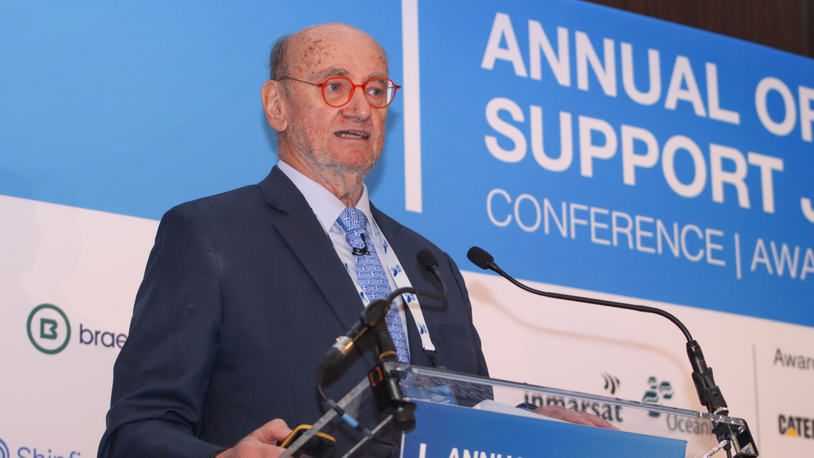
“There is plenty of work coming up, not only this year, but for the next two to three years,” said Maritime Strategies International (MSI) senior offshore energy market analyst, Todd Jensen.
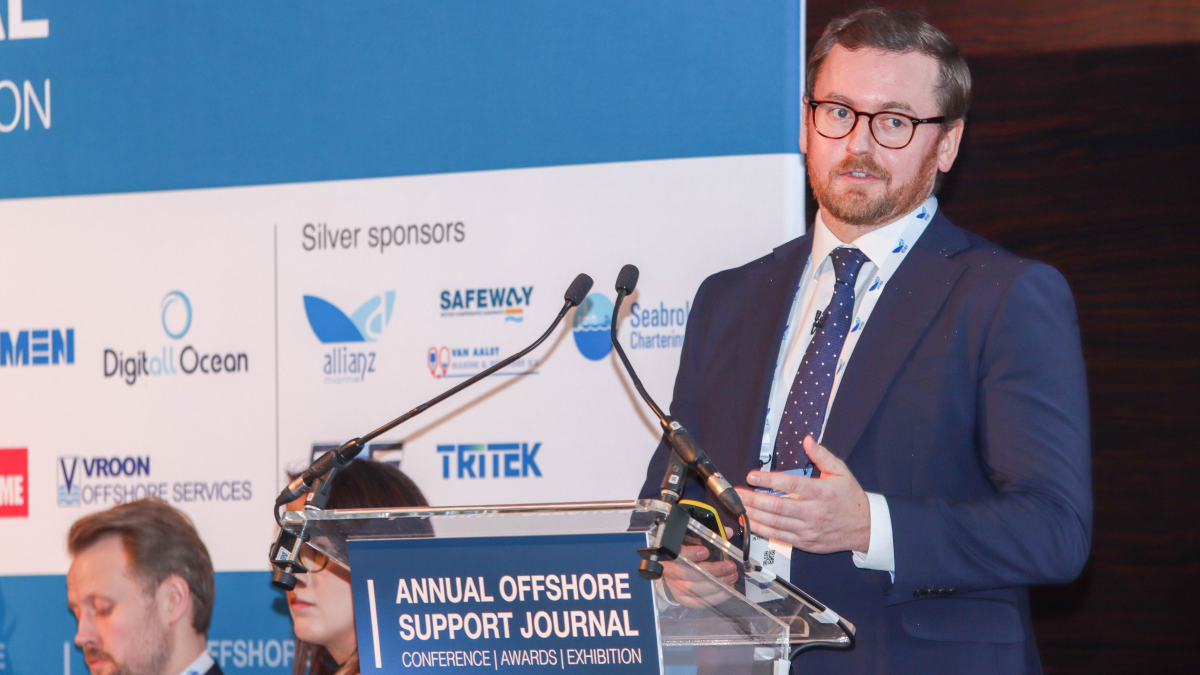
Mr Jensen told delegates at the Annual Offshore Support Journal Conference, Awards and Exhibition, held in London in February, that contracts have granted huge market share for Middle Eastern players, a practice that is common in a region where oil and gas projects are dominated by NOCs.
With around 2,100 fixed-bottom platforms in place, and an expected increase to about 2,300 in the near term, Mr Jensen said the coming years would see a significant installation of infrastructure under the EPC awards. And similarly, he said: “We do expect the number of pipelines to be installed beyond 2026 to increase.”
As for newbuilding activity in the market, Mr Jensen said the Middle East is “pretty much a sold-out market at this point.”
“The Middle East market typically uses smaller and older vessels”
There have been some modest newbuilding programmes for Middle East interests, but generally most orders have been for larger OSVs and harsher environment markets. The Middle East market typically uses smaller and older vessels.
“These vessels – some of them can keep working – the NOCs have given a bit of a waiver on the age of older vessels, but at some point, they’ll want to bring this more back into line with modern vessels,” Mr Jensen said. “There is going to be some fleet renewal required.”
Mr Jensen noted, alongside EPC awards, Saudi Aramco’s suspensions have had “quite an impact on jack-up markets in the Middle East.”
| Middle East active OSV fleet, by region | |||
| Country | AHTS | PSV | |
| Saudi Arabia | 189 | 54 | |
| UAE | 179 | 63 | |
| Iran | 47 | 22 | |
| Qatar | 50 | 42 | |
| Bahrain | 6 | 6 | |
| Oman | 5 | 2 | |
| Iraq | 2 | 4 | |
| Kuwait | 4 | 3 | |
| source: MSI | |||
Rig suspensions
Rig contract suspensions in Saudi Arabia were among the “significant and unexpected challenges” cited by Shelf Drilling chief executive, Greg O’Brien, in reporting the Oslo-listed firm’s results for 2024.
“Two of the suspended rigs in Saudi Arabia were quickly redeployed to Nigeria and started new long-term contracts in the last quarter of 2024, while another two rigs are now being mobilised to West Africa for programmes in the region,” he said.
During three rounds of suspensions during 2024, Saudi Aramco suspended a total of 34 rigs, seven of which were owned by Shelf. Despite the suspensions, overall rig utilisation averaged 88% to 91% for the year.
In its latest fleet status report, Shelf Drilling revealed its jack-up, Trident VIII, which had suffered structural leg damage in April 2024 while working for Chevron offshore Nigeria, was deemed a total constructive loss by insurers and was set to be sold for recycling.
For 2024, Shelf Drilling’s 33-jack-up rig fleet had an average effective utilisation of 81% and average day rate of US$83,200. This was an 8% increase of the average day rates of US$76,900 in 2023.
“While we continue to see short-term pressure on day rates following multiple rounds of rig suspensions in Saudi Arabia in 2024, we remain very confident in the long-term outlook for jack-up supply and demand,” added Mr O’Brien.

Related to this Story

Events

Maritime Regulations Webinar Week
16 Dec 2025GMT - ONLINEFloating energy: successfully unlocking stranded gas using FLNGs and FSRUs
24 Feb 2026GMT - ONLINE
© 2024 Riviera Maritime Media Ltd.


