


Business Sectors
Events

Floating energy: successfully unlocking stranded gas using FLNGs and FSRUs
 24 Feb 2026
 GMT - ONLINE
Contents

Register to read more articles.
Capital Offshore's newbuild PSVs set for 2026 delivery
A Greek family-run shipowner has ordered a fleet of newbuild platform supply vessels from a Chinese yard with modern propulsion technology to lower emissions


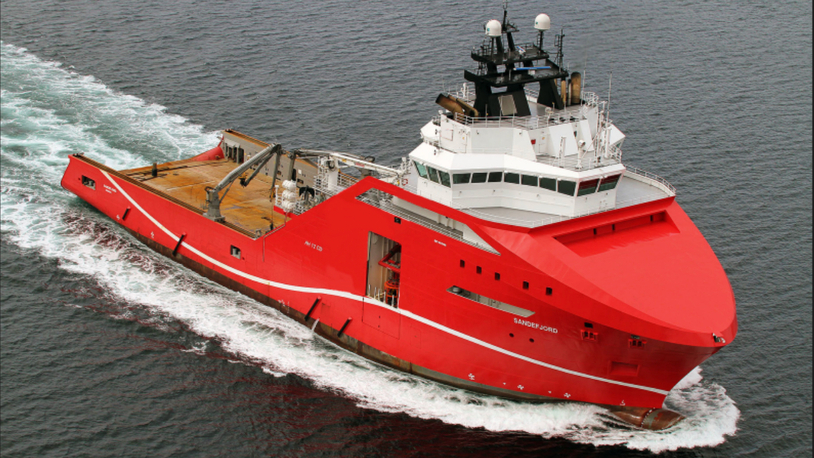
Capital Offshore is introducing a new fleet of platform supply vessels (PSVs) from Q2 2026 after their construction at a Chinese shipyard with the latest propulsion technology to enable efficient operations.
The Greek family-run company has 12 PSVs on order, with deliveries set to commence in May 2026 and continue well into 2027.
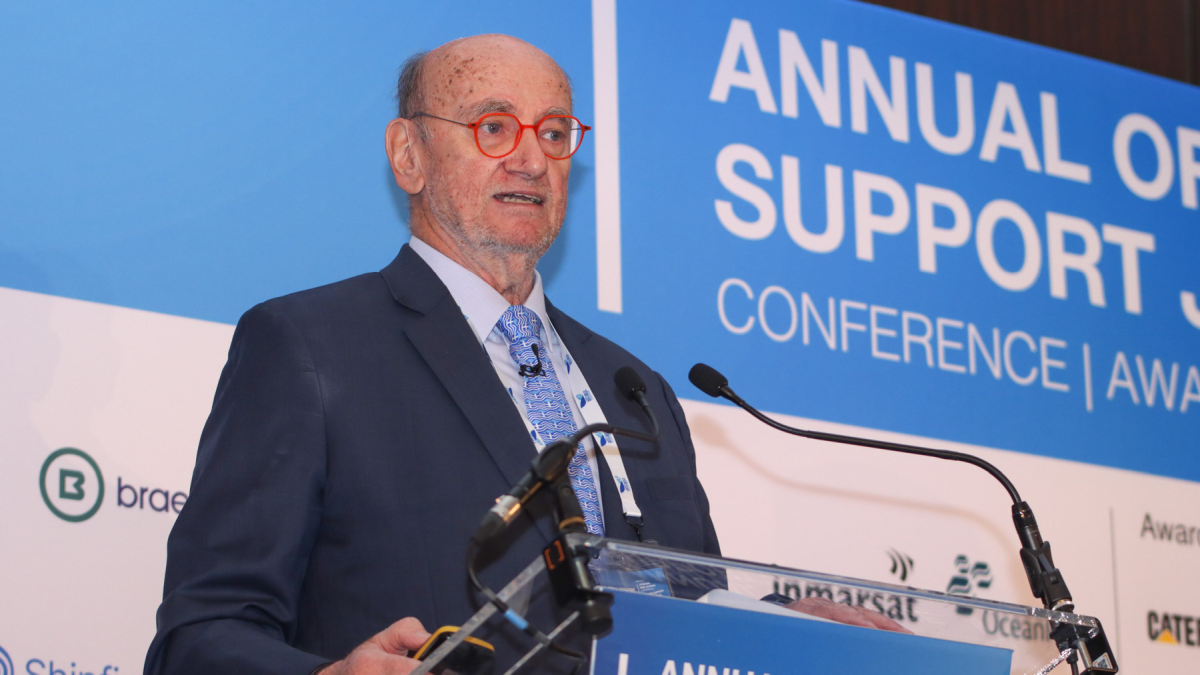
Capital Offshore chief commercial officer Gerry Ventouris said up to eight of a series of 12 PSVs on order could be delivered in 2026, with the remainder in 2027, although there are "options to delay delivery a few months if this is advantageous".
At Riviera’s Annual Offshore Support Journal Conference, in London, UK, on 4 February 2026, he said the first deliveries will be mobilised from China to the North Sea market, to be initially based in Aberdeen, Scotland.
Technology on board these PSVs includes energy storage systems, direct-current grids, permanent-magnet motors driving thruster propellers and efficient engines.
Fujian Mawei Shipbuilding in China is constructing these PSVs, while Kongsberg Maritime is supplying an extensive range of propulsion, electrical and automation systems.
These PSVs will be mobilised to the North Sea, Brazil and Guyana to capture markets requiring high-specification vessels to supply offshore drilling rigs and floating production systems.
"New technology means more efficient operations, but it comes at a cost," said Mr Ventouris. "Battery power is a major change, and we are heavily into this. New technology is becoming a requirement for major charterers."
But he is dubious that charterers are willing to pay higher charter rates as a premium to support owners and their additional capital expenditure.
"Our experience shows charterers want modern ships but are not willing to pay," said Mr Ventouris.
In an extreme case, he noted an unnamed charterer requested information on PSVs with modern propulsion and energy technology on board, but "The charterer fixed a 1999-built vessel instead of a newbuild as it is US$5,000 cheaper," said Mr Ventouris.
"Charterers should help the industry and build relationships by being willing to pay more, and not go for the last penny."
When Capital Offshore ordered these newbuild PSVs, the company had anticipated a 10-year payback on these investments due to strong market demand and high PSV utilisation and charter rates.
"Charterers should help the industry and build relationships by being willing to pay more"
However, its projections have changed, due to lower growth potential, weaker demand and steady rates.
"Our experience has been positive, but not as bright for market prospects as we had in 2024," said Mr Ventouris.
"15-year payback is still achievable, so we made the right decision to order newbuilds due to high secondhand vessel prices, and we will still be in the newbuild market."
A faster investment payback could be possible depending on market activity and variable spot and term charter rates.
"Markets are cyclical, so we may have opportunities to catch uptime and avoid downtime," said Mr Ventouris.
He hinted further that newbuild PSVs could be ordered when shipyard availability has risen and prices have fallen.
But for now, the Chinese shipyards that could build PSVs are more interested in building feeder container ships and product tankers.
Riviera’s Offshore Support Journal Conference, Asia will be held in Singapore on 8-9 September 2026. Use this link for more information and to register for the event.
Related to this Story


Events

Maritime Regulations Webinar Week
16 Dec 2025GMT - ONLINEFloating energy: successfully unlocking stranded gas using FLNGs and FSRUs
24 Feb 2026GMT - ONLINE
© 2024 Riviera Maritime Media Ltd.


