


Business Sectors
Events

Floating energy: successfully unlocking stranded gas using FLNGs and FSRUs
 24 Feb 2026
 GMT - ONLINE
Contents

Dry bulk trade: firmer rates, delivery risks in 2026
Drewry’s latest dry bulk webinar highlights that rates should improve in 2026, but a heavy delivery year and shorter voyages remain key downside risks


Drewry’s latest dry bulk outlook webinar noted that the market entered 2026 with improving trade flows that supported a firmer rate outlook under its base-case scenario, but warned that capacity growth and any normalisation of voyage distances could quickly erode gains.
The assessment was set out in a 17 February webinar led by Drewry Shipping Consultants director, bulk trade Rahul Sharan and research analyst Deepanshi Puggalok, moderated by Drewry marketing manager Antonia Mitsana, with opening remarks from Drewry principal consultant Sean Fairley.
Ms Puggalok said the positive and upside potentials for 2026 were tied to commodity-specific demand, led by bauxite growth, soya beans moving out of South America, and India’s rising steel output supporting coking coal imports.
“We are expecting a positive market in 2026,” she said, while noting that the scale of scheduled deliveries created the main downside scenario.
Drewry framed the supply risk as unusually concentrated: Ms Puggalok said deliveries planned for 2026 were at a 10-year high, almost 600 vessels, and could leave supply running ahead of demand in a weaker scenario.
Demolition had not accelerated as many market participants had expected in 2024–25, arguing the effect of regulation on scrapping had been deferred by demand resilience, with any larger uplift in removals more likely later in the decade.
On trade composition, Mr Sharan argued coal volumes were approaching a plateau rather than collapsing, and that shifts in trade routes and parcel sizes were redistributing employment across segments.
He described a move in Russia–China coal trades away from Handysize towards larger ships, which he said had favoured Panamax, while Vietnam’s coal demand also supported Panamax demand.
He also argued that energy-transition minerals and industrial inputs were becoming more visible drivers of minor bulk growth.
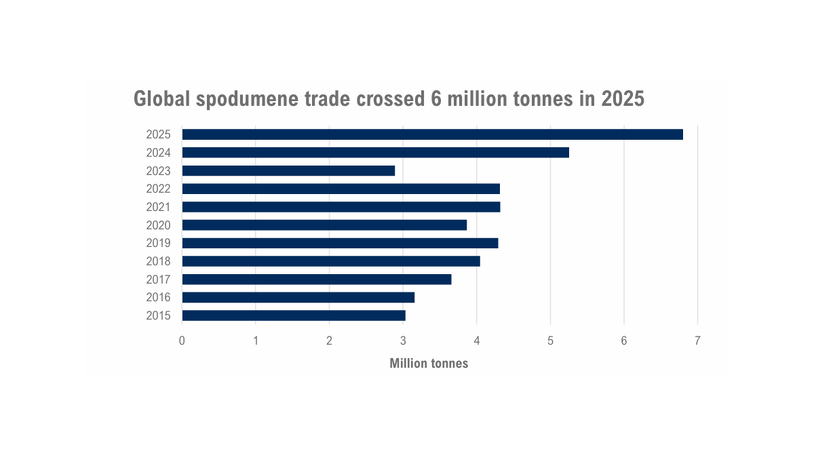
Citing spodumene as an example, he said volumes of the lithium ore, used in the manufacture of electric vehicle batteries, have risen sharply and are moving in big parcel sizes, with Panamax dry bulk carriers taking the largest share.
The webinar closed with Drewry comparing its longer-range rate calls with Baltic forward expectations, arguing that, while forecasts rarely exactly match, its track record over several years had been closer to realised rates than commonly assumed.
Sign up for Riviera’s series of technical and operational webinars and conferences:
- Register to attend by visiting our events page.
- Watch recordings from all of our webinars in the webinar library.



Related to this Story



Events

Maritime Regulations Webinar Week
16 Dec 2025GMT - ONLINEFloating energy: successfully unlocking stranded gas using FLNGs and FSRUs
24 Feb 2026GMT - ONLINE
© 2024 Riviera Maritime Media Ltd.


