


Business Sectors
Business Sectors
Events
Contents
Register to read more articles.
Emergency salvage in times of conflict
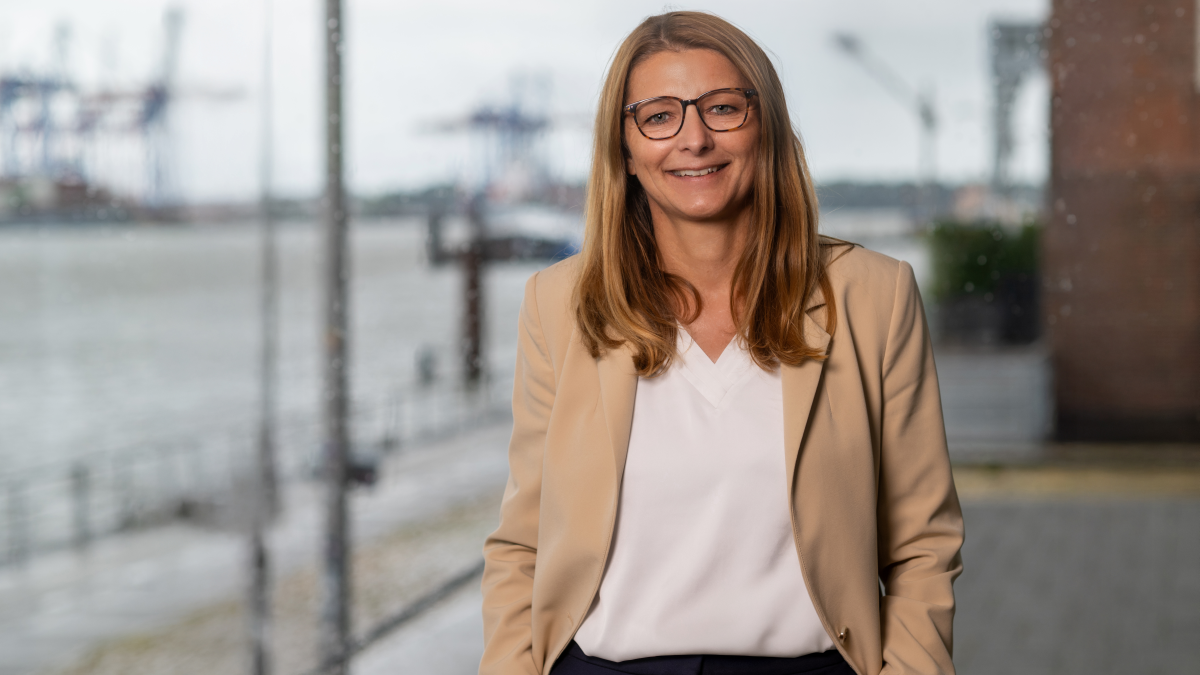
HFW partner, Tom Walters, and senior associate, Henry Clack, explain the challenges salvors face when responding to damaged ships in war zones


On 6 March 2026, United Arab Emirates (UAE) flagged tug Mussafah 2 was struck by two projectiles in the Strait of Hormuz while sailing to assist abandoned container ship Safeen Prestige, with loss of four seafarers. Safeen Prestige has since sunk as a result of the damage caused during the attack.
The incident underlines the extreme risks now faced by crews and salvors operating in conflict-affected waters and that in the absence of a salvor the losses can be costly.
Since the outbreak of hostilities on 28 February 2026, 27 commercial vessels were attacked in the Middle East region (up to 2 April).
While the current security environment is severely challenging, it is not without precedent. Comparable pressures were experienced during the Tanker War of 1984–1988 in the Middle East, and more recently during incidents involving floating storage and offloading (FSO) Safer and Greece-flagged tanker, Sounion.
These cases illustrate both the adaptability of the salvage industry and the increasing constraints under which it now operates.
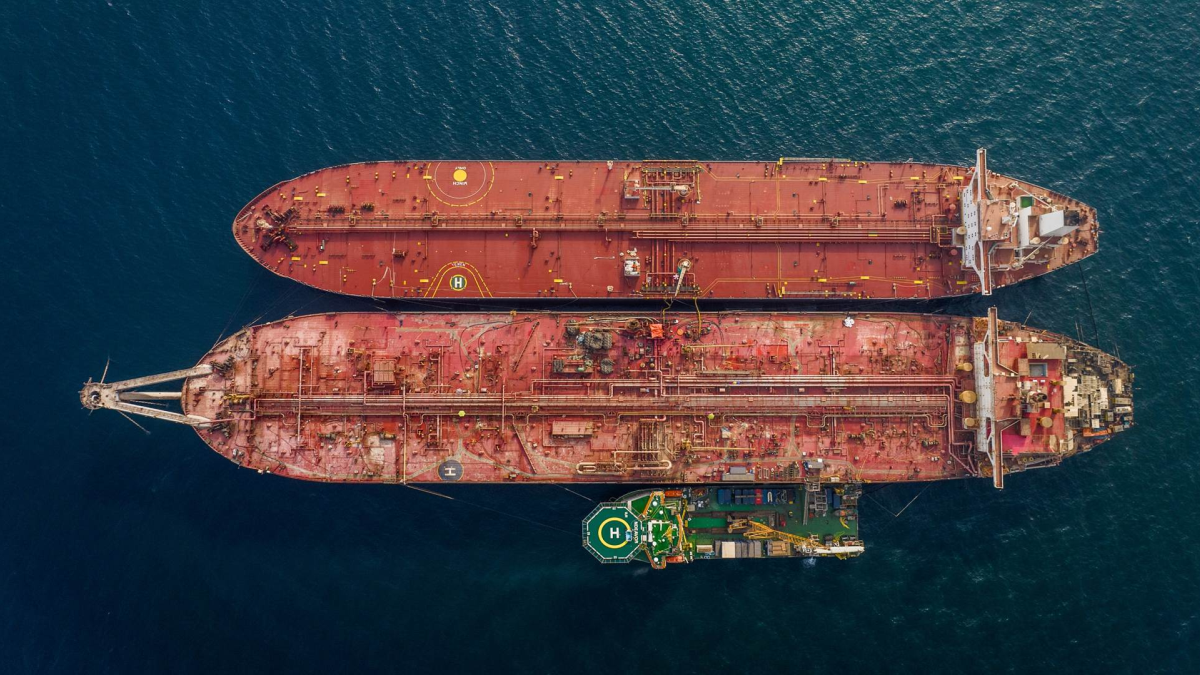
In August 2023, a United Nations co-ordinated operation completed the ship-to-ship transfer of more than 1.1M barrels of crude oil from the deteriorating FSO Safer to a replacement tanker, successfully averting a potentially catastrophic oil spill in the Red Sea.
Safer had been moored off the coast of Yemen since the late 1980s. When the civil war started in 2015, the vessel was left unmaintained.
By 2022, extensive corrosion meant that a spill was widely viewed as inevitable without urgent intervention.
The technical challenges were well understood, but progress was prevented by armed conflict, political fragmentation, access constraints and the Covid-19 pandemic.
The visible salvage phase ultimately lasted only months, but it required over five years of preparatory work by the UN before the salvors accessed the vessel.
The operation stands as a clear example of high-risk cargo removal in a region controlled by hostile and fragmented authorities.


In certain cases, successful salvage depends as much on stakeholder engagement and diplomacy as on technical execution.
The FSO operation was not performed under a Lloyd’s Open Form (LOF) salvage agreement. Instead, it was structured as a bespoke, UN-contracted operation, broadly resembling a staged wreck-removal framework.
This reflected the absence of meaningful salved value, uncertainty as to which parties owned the property, and the scale of environmental and security risks involved. Funding was co-ordinated and guaranteed through a UN-led programme.
LOF remains particularly suitable for time critical salvages. Its short, standardised format allows it to be agreed within minutes if necessary. However, it has limitations.
Where there is no realistic salved value, uncertainty as to ownership, or where protection and indemnity (P&I) cover has been withdrawn, salvors may be unwilling to proceed without alternative mechanisms guaranteeing remuneration. In those circumstances, BIMCO WRECKSTAGE, WRECKFIX or WRECKHIRE contracts may be more appropriate, provided there remains a party prepared to fund the response.
Managing war risk
The salvage of Sounion after it was attacked by Houthi forces in the southern Red Sea on 21 August 2024, is a clear case where war risks played a major role in the salvage operation. Three missiles struck the vessel, leaving it adrift with 1M barrels of crude oil on board.
Houthi forces subsequently boarded and detonated explosive charges across the decks and bridge. This created a severe environmental threat.
By the time salvors arrived, Sounion was unmanned, with internal temperatures reportedly reaching 500°C across steel decks and at least 18 active fires burning.
Over a 135-day period, a salvage consortium supported by more than 20 governments, naval forces and international agencies overcame severe technical, security and diplomatic challenges.
Today, there appears to be limited appetite for salvage operations of this scale and risk profile. For many salvors, direct military support may be a prerequisite before even contemplating mobilisation.
Even where risks can be mitigated, insurability remains a critical constraint. For conventional vessels in the region, war risk premiums are now typically 5-7.5% of hull value, while salvage tugs may face even higher premiums, in particular since the loss of Mussafah 2.
“Operations required a high one-to-one ratio of tugs to warships”
Emergency salvage sometimes requires emergency government support. US and Dutch financial assistance played a key role in the timely mobilisation of commercial salvage assets during Operations Desert Shield and Dessert Storm (the Gulf War in 1990-1991).
Under LOF, salvors must fund out-of-pocket expenses themselves, including insurance costs. Remuneration is ultimately determined under Article 13 of the 1989 Salvage Convention, where these expenses are only one of several factors and full recovery is not guaranteed if the salved fund is limited.
By contrast, BIMCO wreck removal contracts can expressly factor war risk insurance and security costs into agreed remuneration, providing greater certainty for salvors, owners and insurers.
Determining LOF awards
The Tanker War of 1984–1988, part of the wider Iran–Iraq conflict, resulted in an estimated 546 merchant vessels being damaged and the death of 430 civilian seafarers. Our salvage database contains extensive details of LOF awards from that period, which continue to inform arbitrators’ reasoning today.
When fixing LOF awards, arbitrators consider a range of factors, including the level of risk faced and the degree of encouragement required to incentivise salvage.
Importantly, tribunals do not assume that a missile strike or onboard fire automatically equates to a high risk of fire spread or explosion.
In several Tanker War awards, arbitrators found that, despite severe damage, the risk of fire spread, or explosion was of a relatively low order.
Claims of second-strike risk were also treated with caution, with arbitrators distinguishing patterns of attacks from isolated incidents.
“LOF remains unparalleled as a rapid emergency response contract”
Early awards in the Tanker War tended to view second-strike risk as low. This changed in later awards as repeated attacks, including on salvage units, became more frequent.
Turning to the standard of proof of establishing that a casualty was exposed to a given danger, salvors merely have to prove (on the balance of probabilities) that the danger was one that was sufficiently likely to materialise to be worthy of being taken into account. Gathering evidence at the earliest opportunity is therefore key.
In fixing awards, arbitrators have consistently emphasised the need for appropriate encouragement. Without remuneration reflecting exceptional costs, war-risk exposure and genuine danger to crews, professional salvors would refuse to operate in war zones.
Looking forward, LOF tribunals faced with modern conflicts involving missiles, drones and unmanned vessels will still be required to weigh the evidence carefully.
Combined risks
Even where risks remain apprehended rather than realised, tribunals have indicated that they must be given real effect in determining a just award that properly incentivises salvage in war zones.
As Mussafah 2 illustrates, salvage in conflict zones is difficult and dangerous work. To date, security issues have constrained salvage in the Middle East.
It is therefore unclear whether salvors and owners will elect to use LOF salvage contracts or will instead rely on the suite of BIMCO wreck removal contracts.
Each framework has advantages and drawbacks. LOF remains unparalleled as a rapid emergency response contract, but it exposes salvors to uncertainty of remuneration and potentially long delays before payment.
BIMCO wreck removal contracts require more extensive negotiation but can provide assured funding, mobilisation fees and regular payments. This is attractive where war risk premiums and other expenses are high.
More broadly, we are seeing a continued decline in the use of LOF, with most salvage and wreck removals proceeding instead under alternative contractual arrangements.
Whether this trend accelerates will likely depend on how effectively risk, insurance and remuneration can be aligned in future conflict-zone casualties.
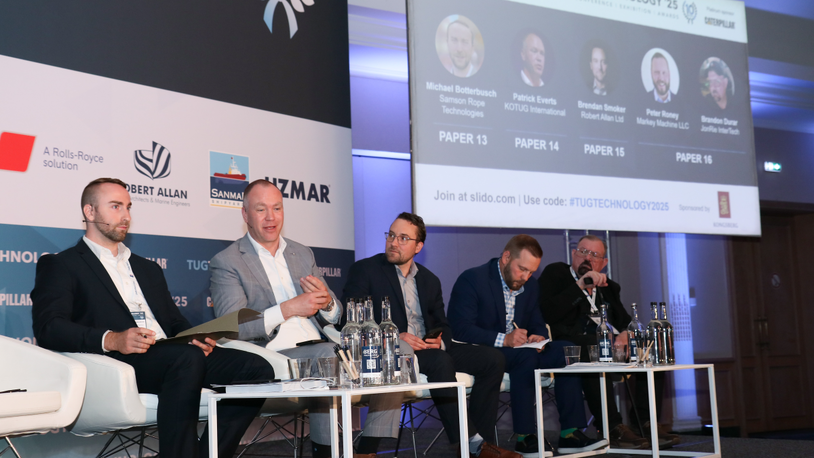
Salvage and emergency response challenges will be tackled at the 28th International Tug & Salvage Convention, Exhibition & Awards will be held in Gothenburg, Sweden, in association with Caterpillar, 19-21 May 2026. Use this link for more details of this industry event and the associated social and networking opportunities.
Related to this Story
Events

Maritime Regulations Webinar Week
 16 Dec 2025
 GMT - ONLINE
Floating energy: successfully unlocking stranded gas using FLNGs and FSRUs
24 Feb 2026GMT - ONLINE
© 2026 Riviera Maritime Media Ltd.


