


Business Sectors
Business Sectors
Events
Contents

First laden LNG carrier appears to transit Strait of Hormuz since war outbreak; Japanese VLCC follows
The first laden LNG carrier since the war in the Middle East broke out on 28 February appears to have transited the Strait of Hormuz


Meanwhile, a Japanese-owned VLCC has also reportedly made the passage, a development that analysts say is notable for regional shipping risk sentiment.
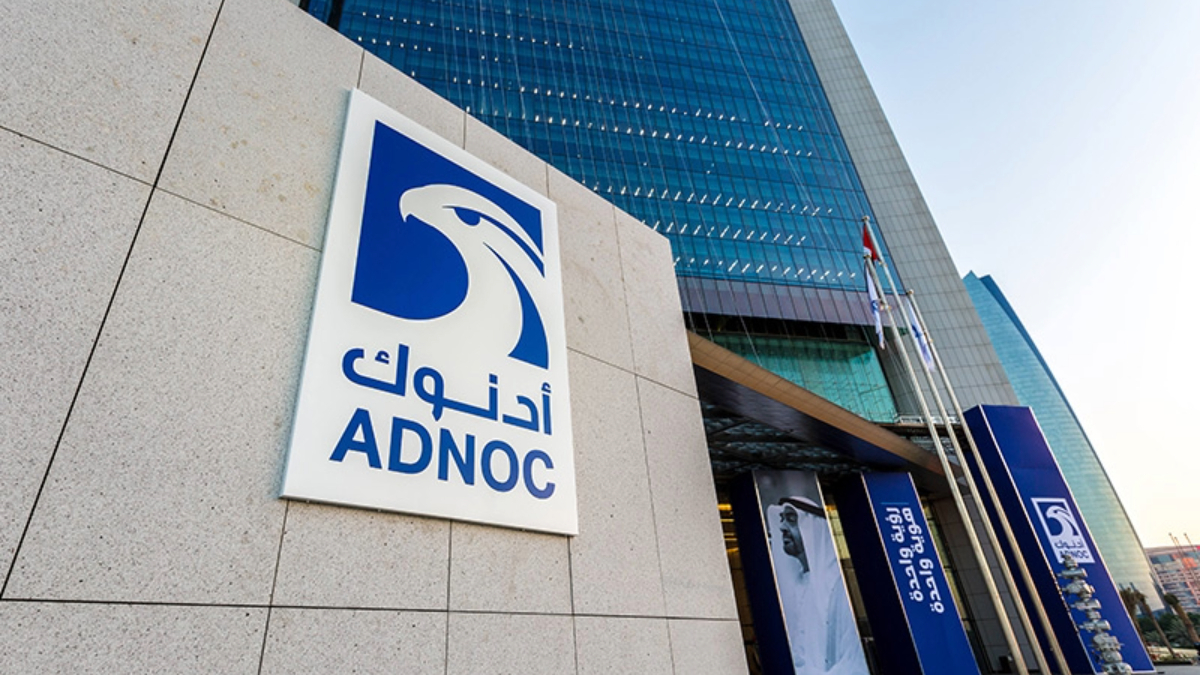
Market intelligence provider ICIS LNG ship-tracking data shows that 1996-built Mubaraz, linked to the Abu Dhabi National Oil Company (ADNOC), is now off the coast of southern India.
“We had no signals from the ship for several weeks, but it reappeared on tracking systems on 27 April,” ICIS senior LNG analyst Alex Froley told Riviera.
ADNOC has not officially confirmed the transit, telling Bloomberg that it does not comment on the position, movements or routeing of its vessels.
“It looks like the ship must have crossed through the Strait of Hormuz with its signal turned off,” Mr Froley said.
Mubaraz would be the first laden LNG carrier to pass through the strait since the conflict began on 28 February. One empty vessel, 2001-built Sohar LNG, owned by Oman LNG, transited in early April.
However, for the broader gas market, what matters most is when regular flows can resume, Mr Froley said.
“Qatar used to export 90 cargoes per month, and the UAE around eight per month. So to have a significant impact on gas prices, the market would need to see a regular flow of cargoes resuming,” he explained.
The International Energy Agency (IEA) last week projected that the Middle East conflict could result in the loss of around 120Bn m³ of cumulative LNG supply over 2026-2030, taking into account both near-term disruptions and medium-term impacts.
Japanese VLCC transit
Meanwhile, MarineTraffic indicated on 28 April that a Japanese-owned VLCC successfully transited the Strait of Hormuz, having departed Ras Tanura on 17 April.
Idemitsu Maru, built in 2007 and owned by Idemitsu Tanker, is carrying 2M barrels of crude oil and had been in Saudi Arabia since late February.
“The transit is seen as significant by market participants,” MarineTraffic said.
Kpler principal market analyst Yui Torikata noted that Japanese shipowners have historically taken a highly cautious stance on regional security risks, making the voyage a notable signal of measured confidence.
Reuters reported that prior to the conflict, Japan relied on the region for around 95% of its oil imports, with the bulk transiting the Strait of Hormuz.




Related to this Story


Events

Maritime Regulations Webinar Week
 16 Dec 2025
 GMT - ONLINE
Floating energy: successfully unlocking stranded gas using FLNGs and FSRUs
24 Feb 2026GMT - ONLINE
© 2026 Riviera Maritime Media Ltd.


