


Business Sectors
Business Sectors
Events
Contents
Register to read more articles.

Insurers should invest in loss prevention, crew welfare, war risk
An evolving risk seascape means insurers should develop methods of preventing losses, including from human error, and tools to cover ships sailing in conflict zones


Maritime risk is becoming more complex and costly to insure as shipping is impacted by conflicts, GNSS interference, climate change and industry’s drive towards using alternative fuels and batteries.
Therefore, marine insurers should increase their investment in loss prevention to shift from reacting to incidents towards lowering the potential of them happening.
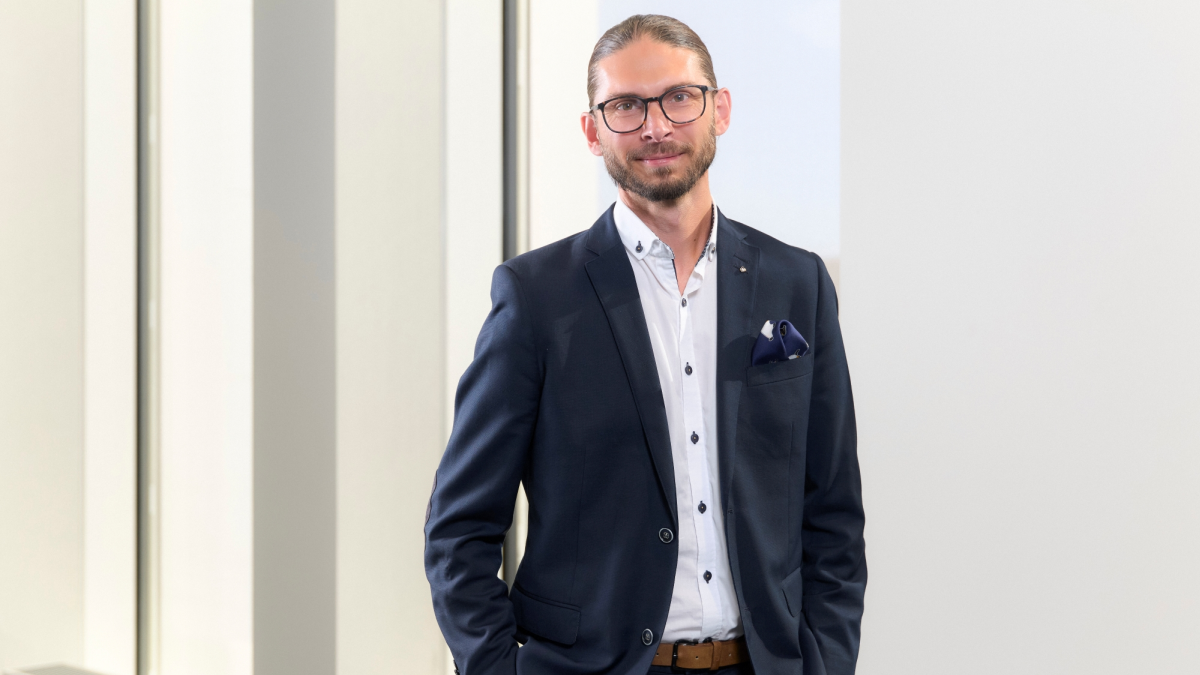
Chair of the International Union of Marine Insurance (IUMI)’s loss prevention committee, Pascal Dubois, said marine insurers should evolve and invest in methods of preventing losses as the risk seascape becomes increasingly complex and uncertain.
“Prevention is now becoming an important component; the issue for an underwriter is not only price and conditions,” he said.
“It is increasingly about incorporating loss prevention into the insurance proposition and I see this spreading across all elements of our sector,” Mr Dubois added.
He anticipates some marine insurers could become uncompetitive for some specialised areas of insurance if they are unable to adapt fast enough.
“As our business becomes more complex and uncertain, some insurers may simply be unable to offer cover for certain activities because premiums become unaffordable or risk appetites become too restricted,” said Mr Dubois.
“We are already seeing this in the wider insurance market in relation to certain natural catastrophe risks.”
He expects marine insurers will invest further in prevention capabilities over the coming years, including greater access to technical expertise and dedicated loss prevention specialists.
“Currently, underwriters and claims handlers far outweigh loss prevention professionals,” said Mr Dubois. “I expect this balance to begin to change as insurers respond to an increasingly uncertain risk environment.”
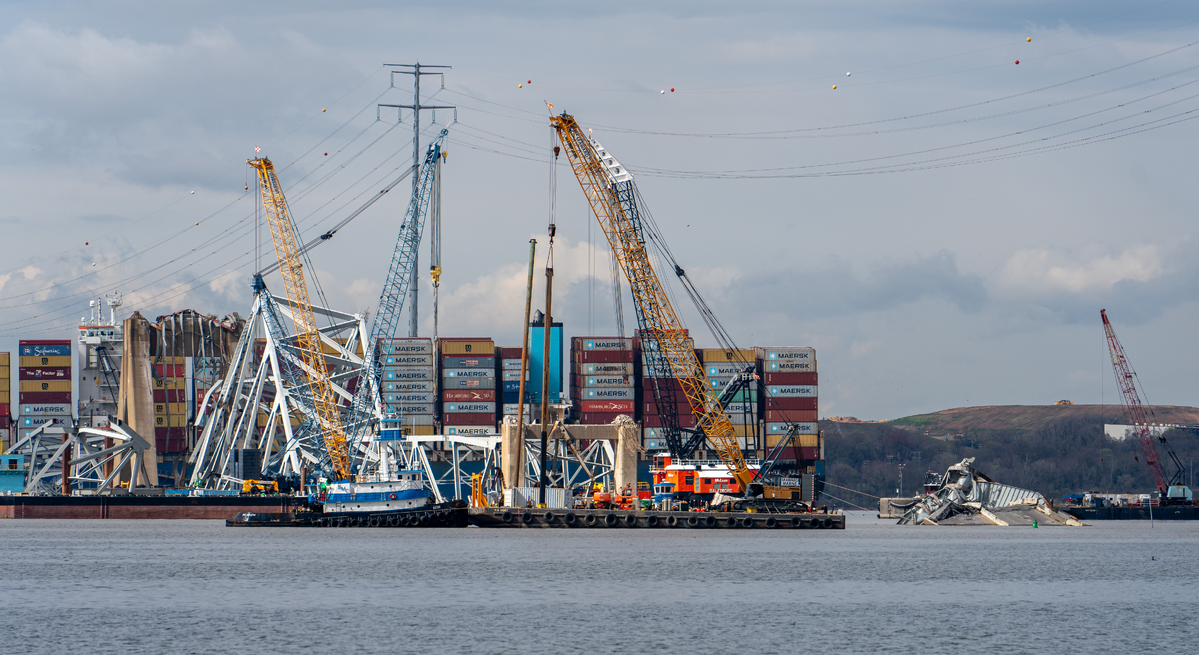
IUMI’s role is to raise awareness of systemic risks across the global marine insurance community, encouraging insurers to develop and implement effective loss prevention programmes within their own organisations.
One aspect of loss prevention and mitigation is ensuring seafarers are physically and mentally healthy enough to undertake their work at sea and in ports without causing incidents, due to fatigue or illness.
IUMI has introduced a crew-wellbeing checklist for its members to help insurers include data on crew welfare considerations into their underwriting, risk modelling and claims-handling processes.
“Hull underwriters assess machinery, class, age, management and claims history, yet the safety and performance of every vessel ultimately depend on its crew,” said IUMI chair of the ocean-hull committee, Ilias Tsakiris.
“Crew wellbeing deserves a more prominent place in hull risk assessment. Fatigue, stress, excessive workloads, inadequate rest and poor living conditions can negatively affect decision-making and situational awareness, increasing the likelihood of human error,” he said.
“Since such errors contribute to a significant proportion of marine casualties, improving crew wellbeing can help reduce both the frequency and severity of incidents onboard,” Mr Tsakiris added.
“Insurers respond to an increasingly uncertain risk environment”
IUMI’s checklist has practical questions and indicators for insurers to assess the level of emphasis an operator places on the wellbeing of its seafarers.
The organisation expects the checklist would be submitted to and completed by the broker or the assured’s insurance manager on shore and not by crew members on board vessels. It is applicable to all vessel types of any nationality or waters.
“Mental health, safety culture and living conditions on board cannot be ignored in a holistic risk assessment,” said Mr Tsakiris.
“We should be asking better questions about fatigue, retention, shore support, ship voyages, repatriation and family communication. This will support a more comprehensive approach to risk modelling, underwriting and claims handling, recognising that safer ships are not built solely through engineering and technology but also through healthy, well-trained and well-supported crews,” he explained.
War risk
Marine insurers also need to develop tools to cover shipowners and operators in conflict zones, as they are increasingly challenged by physical attacks on assets, disruption to navigation and changing trade patterns.
IUMI president, Frédéric Denèfle, wants the wider maritime community to better understand the complexities of war risk insurance, particularly during periods of heightened tension and conflict in the Middle East, Black Sea, Baltic, eastern Mediterranean, Red Sea and Arabian Sea
“As marine insurers, we are at the very heart of the risk, and we must ensure that we continue to develop the optimum tools to support and facilitate global trade in all conditions, no matter how challenging,” said Mr Denèfle.
“Cover can be amended to ensure that the insurer and the client can address the renewed risk together, with confidence in both the terms and the price. In the current dynamic environment, we must remain flexible and adaptable,” he said.
Insurance underwriters require additional information about the proposed voyage to assess and implement war-risk cover.
This includes the specific trading and transit areas involved, the time a vessel is expected to spend in high-risk zones, and the time required to load and discharge cargo.
“Cover for war risks is becoming more commonplace; global blanket cover is simply not an option anymore,” said Mr Denèfle.
“It is important for vessel and cargo owners to understand that insurers need much more information than ever before to create tailor-made contracts that deliver adequate protection,” he said.
Market conditions
Hull and machinery insurers are facing growing risk pressures and a softening market, despite global premium growth of 9%, to US$10.5Bn, in 2025.
Increases in losses and claims due to ships sailing in conflict zones and requiring more maintenance and repairs, and rising port detentions are reducing profitability for insurers.
“A 9.4% increase in premium income needs to be viewed in context,” said Mr Tsakiris.
“Fleet growth, elevated vessel values and exchange-rate movements all contribute to that increase,” he said. “Despite the increase in premium income, the underlying hull market continues to soften.”
Global shipping fleet growth is expected to reach 3% by the end of 2026. But, with vessel scrapping remaining subdued, the worldwide fleet is continuing to age, and is 22.4 years on average, creating additional pressure for hull underwriters.
Older vessels generally require more frequent maintenance and repair, while shortages of spare parts and increasing port state control activity are contributing to higher claims costs.
Cargo insurers are also challenged by a softening market and rising claims, despite a 7% increase in premiums, to US$24.2Bn, in 2025.
Chair of the IUMI’s cargo committee, Mike Brews, said depreciation of the US dollar against European currencies and growth in cargo volumes accounted for much of this growth.
“Additional capacity and increased competition have softened the market somewhat, with over-capacity putting pressure on rates,” he said.
IUMI held its annual conference in Rotterdam, the Netherlands, 20-23 September 2026



Related to this Story
Events
Maritime Regulations Webinar Week
 16 Dec 2025
 GMT - ONLINE
Floating energy: successfully unlocking stranded gas using FLNGs and FSRUs
24 Feb 2026GMT - ONLINE
© 2026 Riviera Maritime Media Ltd.


