


Business Sectors
Business Sectors
Events
Contents

Register to read more articles.
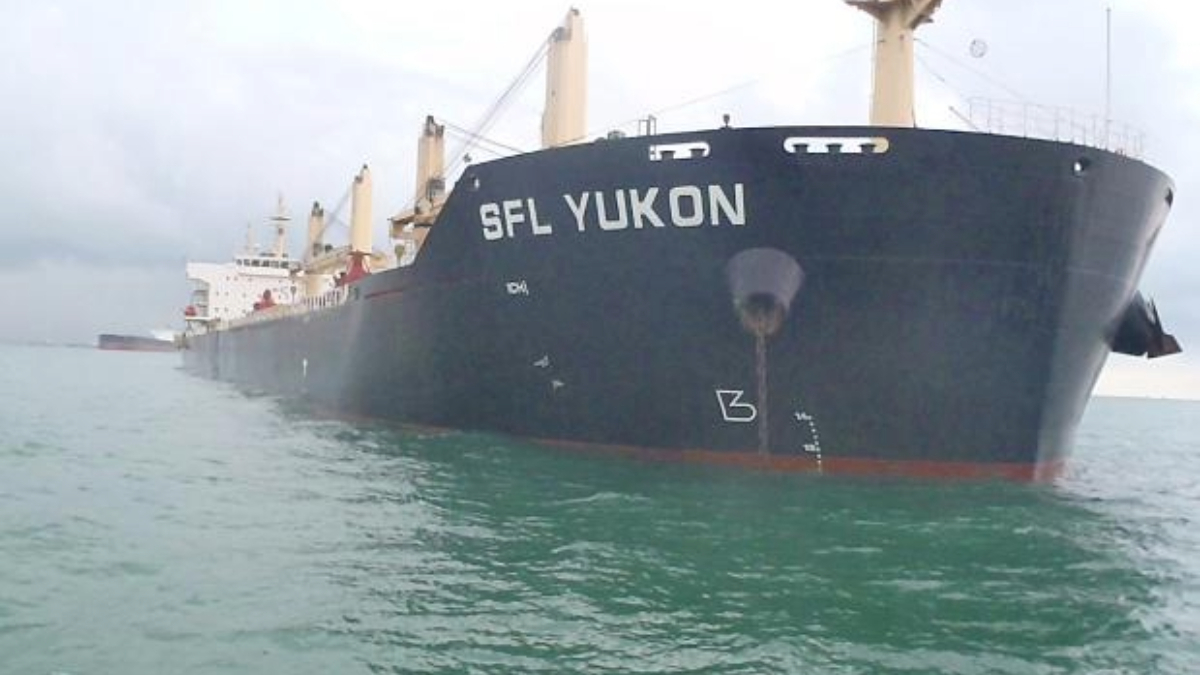
Japanese-built bulk carriers dominate S&P deals as vessel origin shapes buying preferences
Japanese-built bulk carriers have been leading the sales charts in the secondhand market in recent weeks, with analysts suggesting a possible shift in buyer preferences due to the proposed US port fee on Chinese-built vessels


"While it’s still too early to define this as a widespread trend, there is a noticeable increase in interest in Japanese-built units," Allied Shipbroking head of valuations Chara Georgousi told Riviera.
Recent shipbroking reports indicate that across segments from Supramax to Capesize, Japanese-built vessels are changing hands rapidly, while sales of Chinese-built ships remain scarce.
Riviera has analysed shipbroking reports and found that nearly 60 bulk carriers changed hands in March. Of these, approximately 56% were built in Japan, 33% in China, and the remainder in South Korea.
Potential new pricing benchmarks
"Buyers who have traditionally targeted Chinese-built tonnage appear to be adopting a more cautious, wait-and-see stance as the industry awaits further clarity on the USTR proposal," Ms Georgousi noted.
This cautious approach has, in turn, shifted some negotiating leverage toward buyers of Chinese-built vessels, allowing them to push for softer pricing.
"Depending on the urgency of individual sellers to offload tonnage, we may soon start seeing transactions that set new pricing benchmarks for Chinese-built bulk carriers," she added.
Firm demand for Capesize vessels
Ms Georgousi also pointed to a strengthening trend in the Capesize segment, particularly for Japanese-built assets, which has been gaining momentum since the beginning of the year.
"The prevailing uncertainty appears to be reinforcing this divergence, and we expect this pattern to persist in the coming weeks," she explained.
Shipbroking reports show that in March, approximately nine Newcastlemax and Capesize vessels changed hands, with five being Japanese-built and four South Korean-built. The majority were middle-aged tonnage.
Notably, Capesize values have remained resilient despite the price corrections in the S&P market since last summer. In fact, recent activity has even driven some price gains. According to Allied Shipbroking, Capesize values across all age groups rose between 1% and 9% over the past month as of late March.
A short window for adjustment
Returning to the proposed US port fees, Ms Georgousi noted while a final decision on their implementation has yet to be made, earlier reports suggest the USTR aims to finalise the proposal by 17 April 2025.
"Even if finalised by that date, the timeline for implementation remains unclear. However, it is possible the fees could take effect by mid-May, leaving stakeholders with a short window to adapt," she highlighted.
Until more clarity emerges, market sentiment is expected to remain cautious, leading some buyers to delay investment decisions, while others may see the current uncertainty as an opportunity to snap up Chinese-built tonnage at favourable prices.
Riviera’s Bulk Carrier Webinar Week will be held from the week commencing 8 April 2025. Click here to register for this free-to-attend event.




Related to this Story


Events

Maritime Regulations Webinar Week
 16 Dec 2025
 GMT - ONLINE
Floating energy: successfully unlocking stranded gas using FLNGs and FSRUs
24 Feb 2026GMT - ONLINE
© 2026 Riviera Maritime Media Ltd.


