


Business Sectors
Events

Floating energy: successfully unlocking stranded gas using FLNGs and FSRUs
 24 Feb 2026
 GMT - ONLINE
Contents
Register to read more articles.
LNG2026 Doha: AI demand could reshape LNG market by 2030
QatarEnergy chief warns data centres may tighten LNG supply by 2030, as Vitol flags price pressure and Doha hosts new SPAs


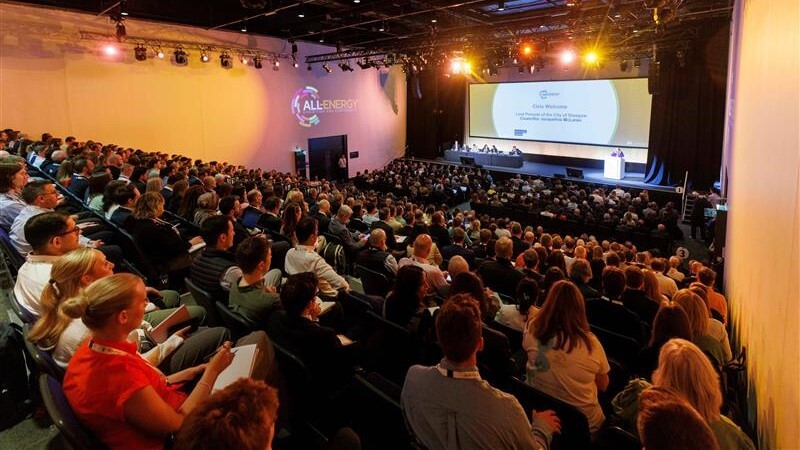
The main event of this year’s LNG shipping calendar, LNG2026, was hosted by Qatar for the first time and took place between 2 and 5 February 2026.
LNG2026 delegates heard warnings that data centre-driven electricity demand could pull forward the point at which the global LNG market tightens, even as traders described a near-term period of heavy supply growth and price pressure.
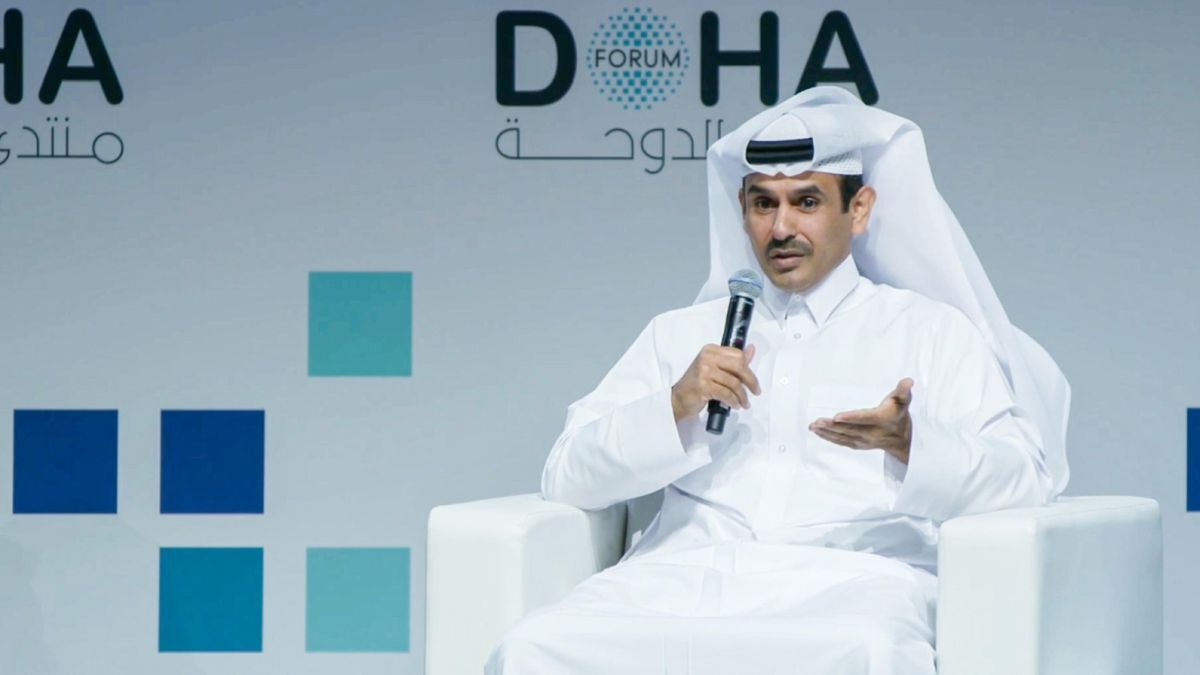
Speaking at the conference, QatarEnergy chief executive Saad al-Kaabi said demand assumptions have risen, linking the shift “mainly due to... AI and data centre requirements”.
He added, “We always thought the market would have some kind of oversupply between 2025-2030 and beyond 2030, you will have a shortage.”
Mr al-Kaabi told the conference that, if the demand outlook plays out, “There will be a shortage, instead of an oversupply by 2030”.
Mr al-Kaabi tied the demand outlook to a mix of power-sector load growth and buyer behaviour, including Europe’s emergence as a major LNG buyer after ending Russian gas imports following Russia’s invasion of Ukraine.
He also pointed to Asia’s role in demand growth and said that, in discussions with more developed Asian buyers, “Data centres come up as a demand that is driving up their requirements”.
The conference also heard a more near-term caution on the supply side, with Vitol head of LNG Pablo Galante Escobar noting a sharp build in volumes over the second half of the decade would test the market through price pressure, “It’s an unprecedented increase in supply that we are seeing, from 2024 to 2030 – more than 50% of additional supply, and this is going to bring some stress to the market,” Mr Galante Escobar told LNG2026.
Some executives pointed to different scenarios: Eni director for global gas and LNG Cristian Signoretto expects additional supply to soften prices in 2027 into 2028, while describing the market this year as “finely balanced”.
Against that demand-supply discussion, two long-term supply agreements announced during the week put fresh volumes under contract.
On 3 February, Reuters reported that JERA has agreed a 27-year deal with QatarEnergy for 3M tonnes per year (mta) from 2028, with the agreement announced on the sidelines of LNG2026.
Jera said the agreement “strengthens Japan’s energy security by deepening our partnership with Qatar and diversifying supply sources through a greater weighting of the Middle East in our LNG portfolio, and comes in line with Japan’s energy policy”.
A day later, Petronas announced it would receive 2 mta in a 20-year deal signed at LNG2026, with the Malaysian company describing the volumes as supporting domestic supply needs.
“The long-term volumes secured through this agreement will play a critical role in reinforcing Malaysia’s energy supply security, ensuring stable and reliable LNG availability to meet growing demand in Malaysia,” Petronas said in a statement.
Sign up for Riviera’s November 2026 LNG Shipping & Terminals Conference:
- Register to attend here: The LNG Shipping & Terminals Conference.
- To take part in the Conference or webinars, please contact Ian Pow: ian.pow@rivieramm.com
- View the latest issue of Tanker Shipping & Trade here: LNG Shipping & Terminals.


Related to this Story
Events

Maritime Regulations Webinar Week
16 Dec 2025GMT - ONLINEFloating energy: successfully unlocking stranded gas using FLNGs and FSRUs
24 Feb 2026GMT - ONLINE
© 2024 Riviera Maritime Media Ltd.


