


Business Sectors
Events

Floating energy: successfully unlocking stranded gas using FLNGs and FSRUs
 24 Feb 2026
 GMT - ONLINE
Contents

Register to read more articles.
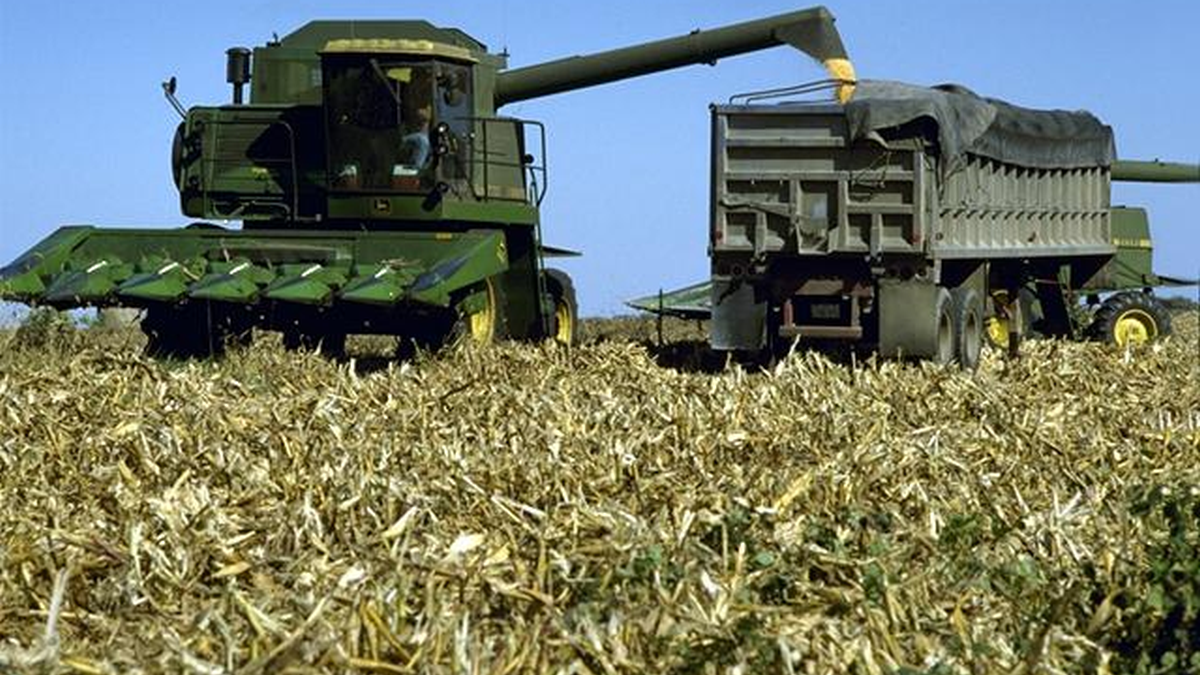
Maize trade outlook tightened by stocks drawdown
IGC predicts rising maize trade and tighter stocks to use, lifting seaborne flows but concentrating export reliance to four suppliers


The International Grains Council’s (IGC) latest report for grains, Five-year baseline projections of supply and demand (2030/31), projects a tightening maize balance through to 2030/31, with drawdowns in carryovers accompanying a rising trade outlook that, if realised, would increase volumes requiring ocean transport.
The Council framed its five-year baseline projections as a “possible supply and demand scenario” built on broad assumptions and an outlook that does not take into account any variability linked to particularly severe weather in a specific season.
On stocks, the Council projected world inventories at 280M tonnes at the end of 2030/31, down 20M tonnes from 2025/26, with China holding 171M tonnes, or 61% of the global total.
It also anticipated a net 13M-tonne decline in carryovers among the major exporters, to 59M tonnes.
The ratio of world stocks to use “could fall by about three percentage points” and would leave less buffer in the system as traded volumes expanded.
For shipping demand, the Council noted, “Global trade (Jul/Jun) is projected to increase in each of the next five seasons”. It added that volumes could climb to 214M tonnes by 2025/26, while also describing this as a net increase of 23M tonnes compared with the estimate for 2025/26”.
On the import side, the Council stated that Mexico is expected to remain the largest single buyer, with import requirements of 29M tonnes by 2030/31. It also expects the European Union to be a major importer, while warning that projections for China were “tentative”, yet still showing purchases at 11M tonnes by the end of the forecast period.
Export concentration remained the central shipping risk variable.
The Council projected that the overall share of the world maize trade, filled by the four main exporters, would average 90% over the outlook period.
It expected the United States to remain the leading supplier with a 37% share, while Brazil and Argentina were each projected to average 20% of deliveries, and Ukraine volumes were forecast to rise, but remain below preconflict peaks.
Sign up for Riviera’s series of technical and operational webinars and conferences:
- Register to attend by visiting our events page.
- Watch recordings from all of our webinars in the webinar library.



Related to this Story



Events

Maritime Regulations Webinar Week
16 Dec 2025GMT - ONLINEFloating energy: successfully unlocking stranded gas using FLNGs and FSRUs
24 Feb 2026GMT - ONLINE
© 2024 Riviera Maritime Media Ltd.


