


Business Sectors
Business Sectors
Events
Contents

Register to read more articles.
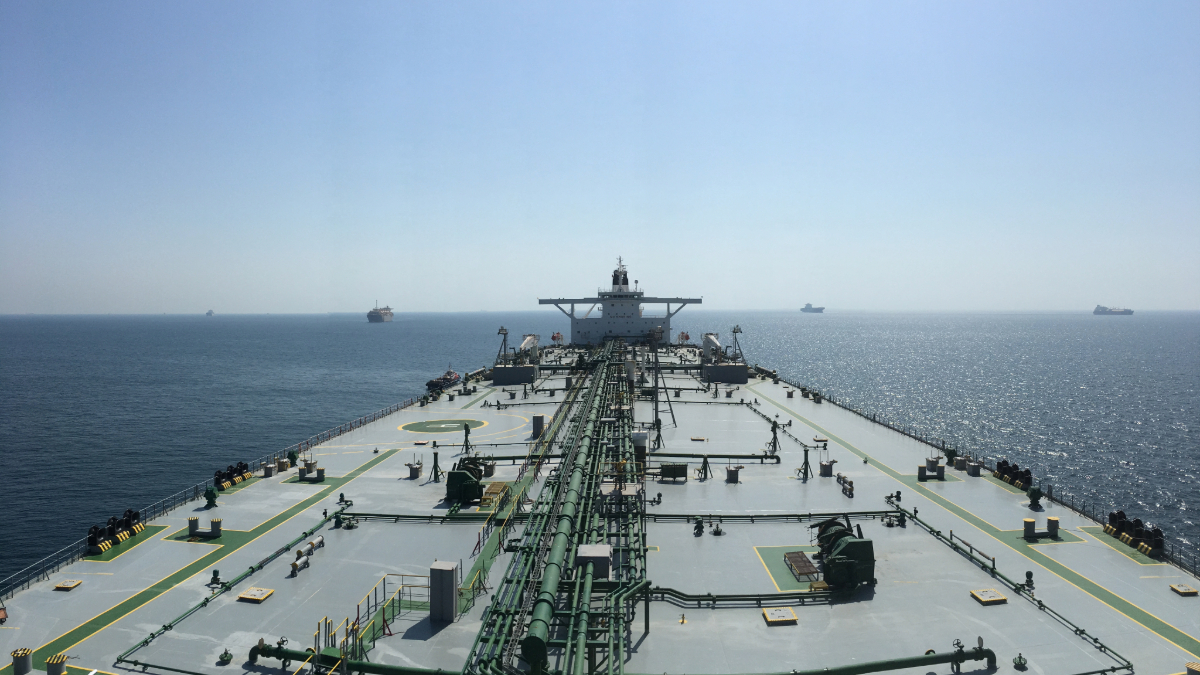
Middle-aged and vintage tonnage top S&P market amid sluggish Q1 activity
Secondhand transactions in the bulk carrier and tanker markets fell by nearly 20% in Q1 2025, with middle-aged and older vessels dominating sales


Xclusiv Shipbrokers research analysts Dimitris Roumeliotis and Eirini Diamantara told Riviera a total of 293 bulk carriers and tankers changed ownership between January and March 2025, compared with 364 vessels during the same period last year.
Bulk carrier sale and purchase (S&P) activity declined by approximately 18% to 196 vessels, down from 238 in Q1 2024. Meanwhile, tanker transactions dropped by 23%, with 97 vessels changing hands compared with 126 last year.
Both markets started the year sluggishly but saw a gradual rise in activity, peaking in March. In the dry bulk sector, transactions increased from 56 vessels in January to 70 in March. Similarly, the tanker market saw an uptick from 20 S&P deals in January to 39 in March.
Market sources suggest geopolitical uncertainties continue to be the main factor behind shipowners’ cautious approach to shipping investments. The proposed US port fee on Chinese-built vessels has added complexity to market sentiment, with early indications of a shift in vessel preferences based on origin. There is growing interest in Japanese and South Korean-built tonnage, but it remains uncertain whether this trend will evolve into a stable development, potentially leading to a two-tier market.
Dry bulk market trends
In the bulk carrier sector, Handysize, Supramax and Panamax vessels led the S&P activity, with 50, 38 and 36 transactions, respectively. Notably, the Panamax segment, along with small bulk carriers, was the only category to see gains compared with Q1 2024. In contrast, Capesize S&P activity plummeted, with just 16 vessels sold, half of the 32 recorded last year.
When analysing vessel age, ships aged 11-15 years were the most sought-after, accounting for 45% (89 vessels) of total sales. Ships aged 16-20 years followed, representing 25% (48 vessels). Meanwhile, vintage vessels aged 21-25 years made up 15% of transactions, and modern tonnage (0-10 years old) accounted for just 12%. This is a notable shift from last year when younger bulk carriers held a 24% market share, while vintage tonnage accounted for only 7%.
Interestingly, seven vessels over 26 years old changed hands in Q1 2025, reflecting the prolonged operational lifespan of older assets.
Tanker market trends
In the tanker segment, Aframax/LR2 vessels were the most actively traded, with 27 transactions, up from 23 in Q1 2024. Small tankers followed with 20 deals, nearly matching last year’s 21 sales. MR2 tankers saw a sharp decline, with only 15 transactions compared with 36 in Q1 2024. Meanwhile, Suezmax tankers attracted growing interest, with 12 sales, doubling last year’s six transactions. In contrast, VLCC transactions fell to 12 from 18 in the same period.
Vintage tonnage dominated the tanker market. Ships aged 16-20 years accounted for 48% of transactions, while vessels older than 21 years comprised nearly 19% of sales, matching the share of 11-15-year-old units. Modern tankers (0-10 years old) represented only 14% of deals. Notably, the 21+ age category was the only segment that saw an increase in transactions compared with Q1 2024.
Key buyers and sellers
As expected, Chinese, Greek and Japanese shipowners led S&P activity, with UK-based buyers also making significant acquisitions in the tanker sector.
Chinese buyers dominated the dry bulk market, acquiring 32 vessels (16%), followed by Greek owners with 19 transactions (10%). However, both countries saw a significant decline from last year’s 64 and 75 purchases, respectively. A substantial portion of transactions – 116 vessels – were attributed to undisclosed buyers, suggesting Chinese and Greek shares in the market may be higher than reported. Vietnamese buyers also increased their presence, acquiring 10 bulk carriers, up from seven in 2024.
On the seller side, Greek owners led the market, disposing of 44 bulk carriers – slightly down from 52 last year – representing a 23% share. Japanese and Chinese sellers followed, with 37 (19%) and 24 (12%) vessels sold, respectively.
In the tanker market, UK-based buyers emerged as the most active players, acquiring 28 tankers – a significant increase from just two purchases in Q1 2024 – giving them a market-leading 29% share. Chinese buyers followed with nine transactions, sharply down from 23 last year. Undisclosed buyers accounted for 46% of the tanker transactions.
On the seller side, Greek owners remained the most active, offloading 23 tankers, up from 16 in Q1 2024, holding nearly a 24% market share. Chinese, Norwegian and Singapore-based companies were also among the key sellers.
Riviera’s International Chemical & Product Tanker Conference will be held in London, 23 April 2025. Click here for more information on this industry-leading event.




Related to this Story

Events

Maritime Regulations Webinar Week
 16 Dec 2025
 GMT - ONLINE
Floating energy: successfully unlocking stranded gas using FLNGs and FSRUs
24 Feb 2026GMT - ONLINE
© 2026 Riviera Maritime Media Ltd.


