


Business Sectors
Business Sectors
Events
Contents
Arcadis Ost 1 to break ground with unique installation technique
Project will be the first in which offshore wind turbines are installed from a floating vessel rather than a jack-up


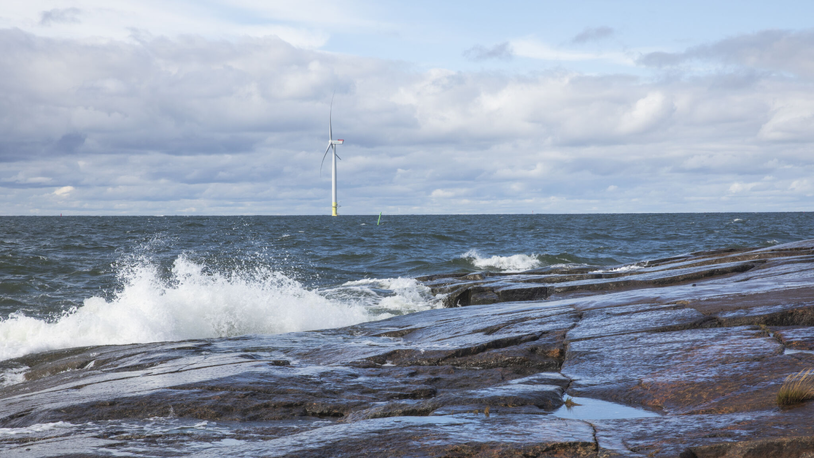
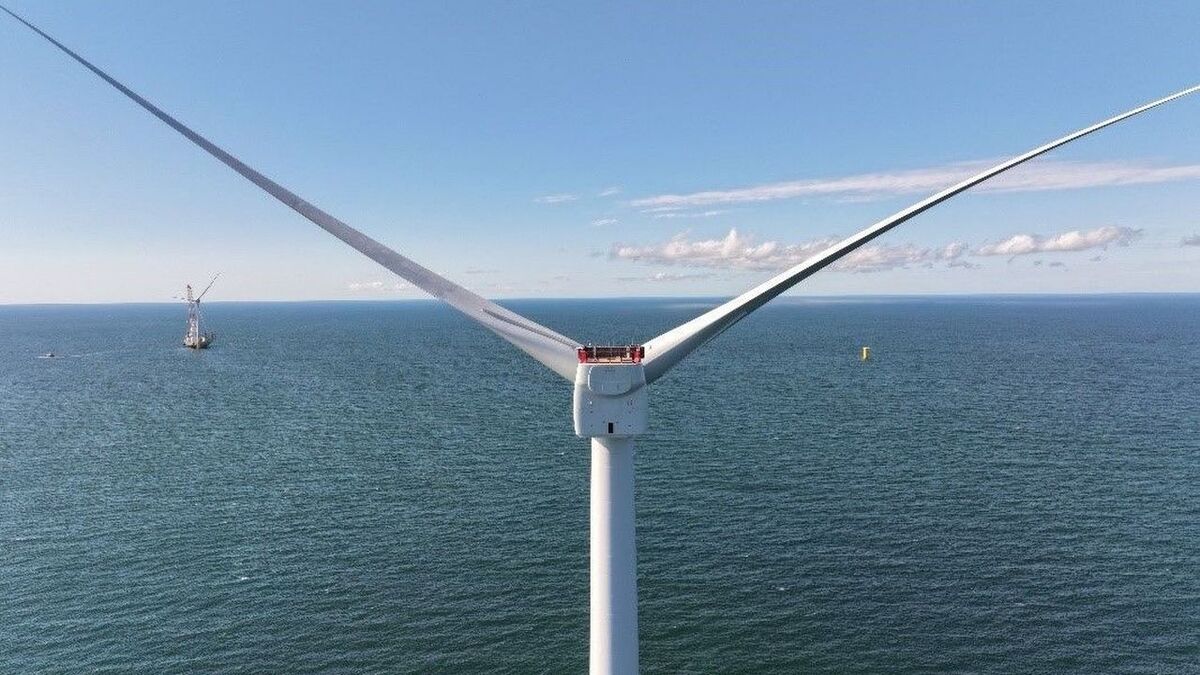
The Arcadis Ost 1 offshore windfarm in Germany, for which financial close was confirmed in June 2021, is to break new ground when it comes to installing offshore wind turbines and will be the first to use a floating vessel to install them.
The windfarm, which is in the Baltic, northeast of the island of Rügen, is due to enter service in 2023, with offshore installation work due to begin in 2022.
One of the more challenging aspects of Parkwind’s 257-MW Arcadis Ost 1 project is the nature of the seabed in the area, which makes the use of jack-up vessels potentially problematic.
Responding to this, Parkwind, offshore contractor Heerema Marine Contractors and turbine original equipment manufacturer Vestas looked at possible alternatives to conventional traditional installation techniques and a floating installation concept was developed.
The project partners believe the floating installation technique has two unique advantages. The first is that, compared with the use of a jack-up vessel, it avoids interaction between the vessel and the seabed, reducing risk compared with a traditional jack-up installation; the second is that the time it takes to install the turbines will be significantly reduced, because the vessel will not need to reposition itself, jack-up to install a turbine and then lower itself.
In the longer term, the project partners believe installing turbines from a floating vessel in this way will also reduce the levelised cost of energy from offshore wind and could, potentially, enable it to be used in areas around the world.
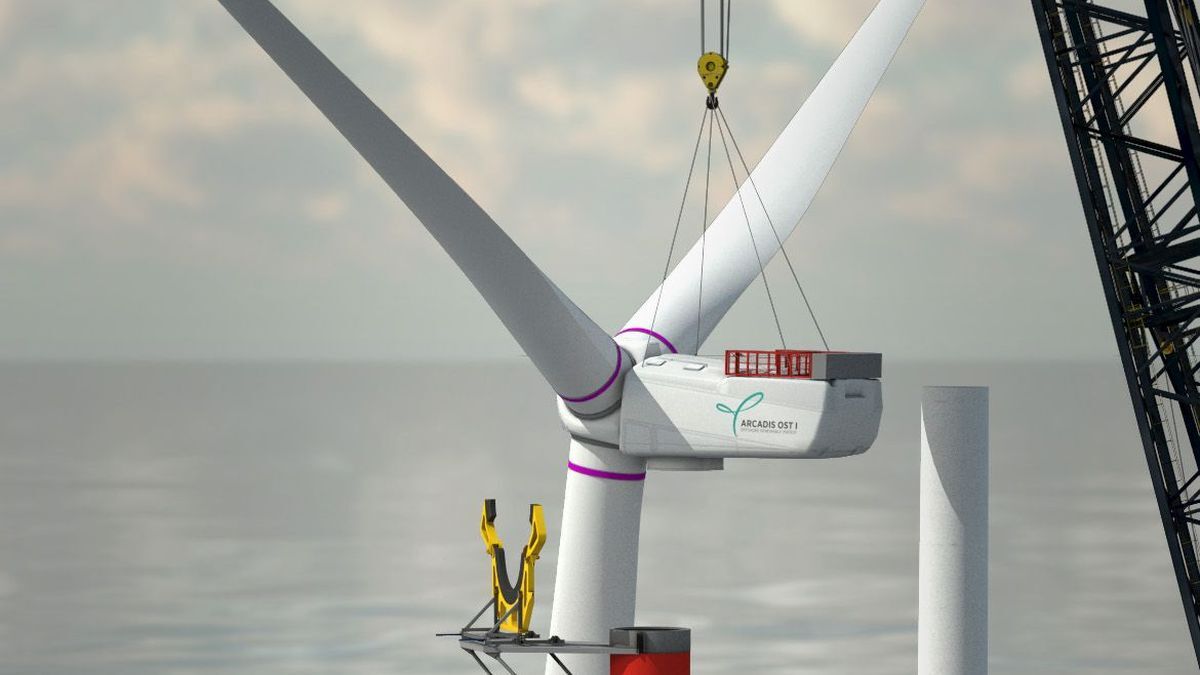
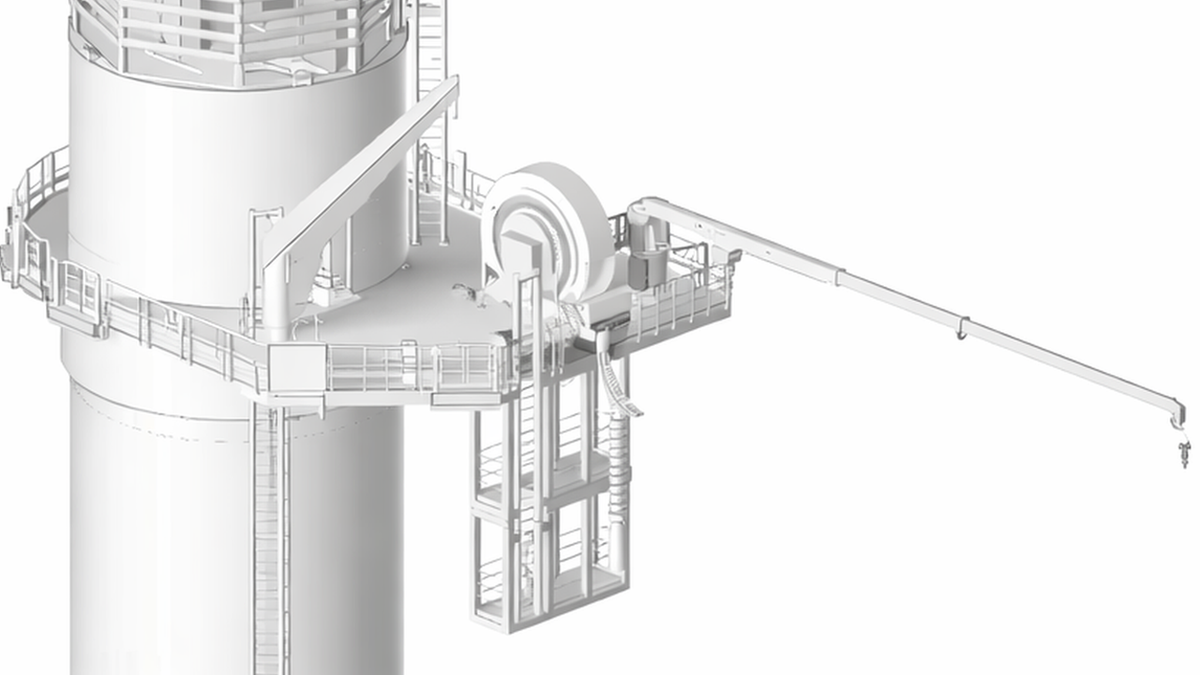
In the installation concept to be used for Arcadis Ost 1, the first step will be to lift the tower for the turbine onto the pre-installed turbine foundation. Next – and this is the most advanced element in the newly developed assembly process – the nacelle for each turbine will installed on a ‘dummy tower’ on the deck of the installation vessel. This dummy tower will provide a stable unit for subsequent work.
Once installed on the dummy tower, the blades will be attached to the nacelle. Once all of the blades are attached to the nacelle, the entire assembly will be lifted on to the tower of the offshore wind turbine. The project partners note that the process “ensures full control over the blades, guaranteeing safe and highly reliable blade assembly.”
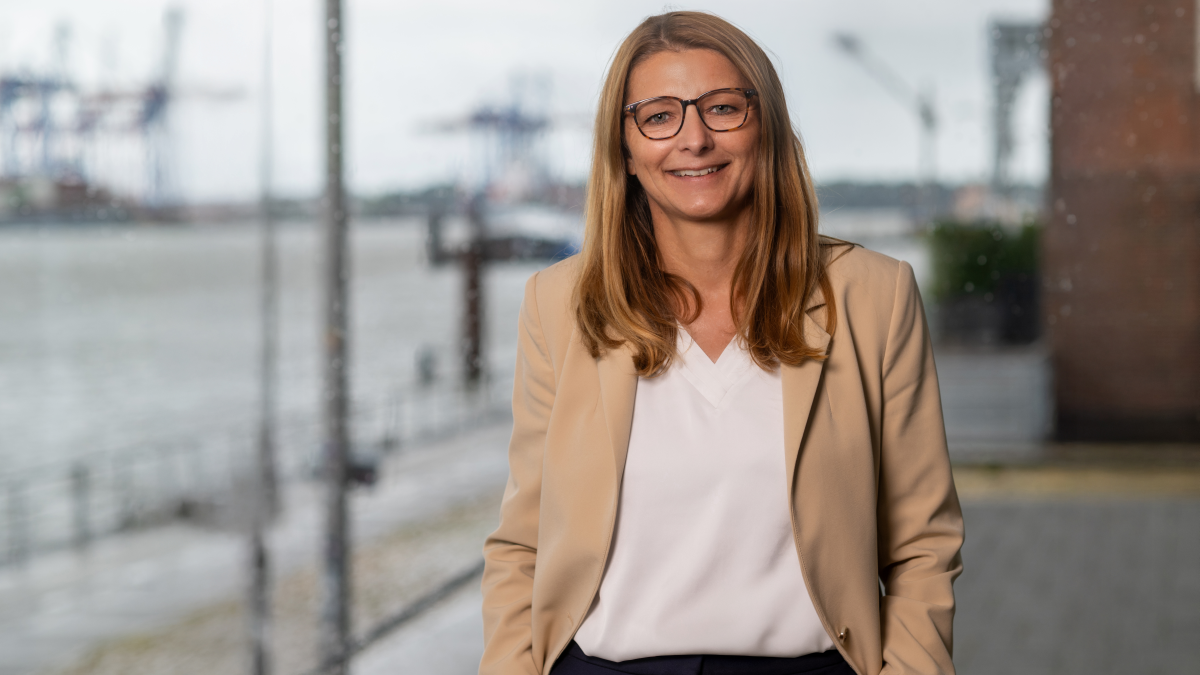
Describing the technique at the time it was first announced by the developer, Parkwind chief executive Eric Antoons said, “Taking turbine installation based on a floating vessel from theory to practice is a major step forward for the offshore wind industry. Supported by Heerema Marine Contractors and MHI Vestas, we saw this as the best solution for Arcadis Ost 1, because the soil conditions are challenging.”
Heerema Marine Contractors chief executive Koos-Jan van Brouwershaven says, working with Vestas and Parkwind, the installation concept had been extensively tested at the offshore contractor’s simulation centre, where simulation technology was used to visualise every aspect of operations, including crane and vessel controls, realistic weather conditions and swell patterns in the Baltic area where the windfarm will be built.
Vestas will supply 27 V174 - 9,5MW wind turbine generators; Heerema will undertake installation; Bladt Industries will deliver the offshore substation; DEME Offshore will install the XXL monopiles for the project, which will be fabricated by Steelwind; JDR will deliver the inter-array cables for Aradis Ost 1; and Global Marine will install the subsea cables. The windfarm will connect to the 50Hertz grid.
The project raised approximately €570M (US$672M) of debt from a group of nine lenders: KBC Bank, Belfius Bank, Helaba, KfW IPEX-Bank, Coöperatieve Rabobank, Société Générale, ING Bank, EKF Danmarks Eksportkredit and the European Investment Bank.
Riviera Maritime Media will provide free technical and operational webinars in 2021. Sign up to attend on our events page
Related to this Story

Events

Maritime Regulations Webinar Week
 16 Dec 2025
 GMT - ONLINE
Floating energy: successfully unlocking stranded gas using FLNGs and FSRUs
24 Feb 2026GMT - ONLINE
© 2026 Riviera Maritime Media Ltd.


