


Business Sectors
Business Sectors
Events
Contents
Offshore wind the ‘missing piece’ in Japan’s green electricity plan
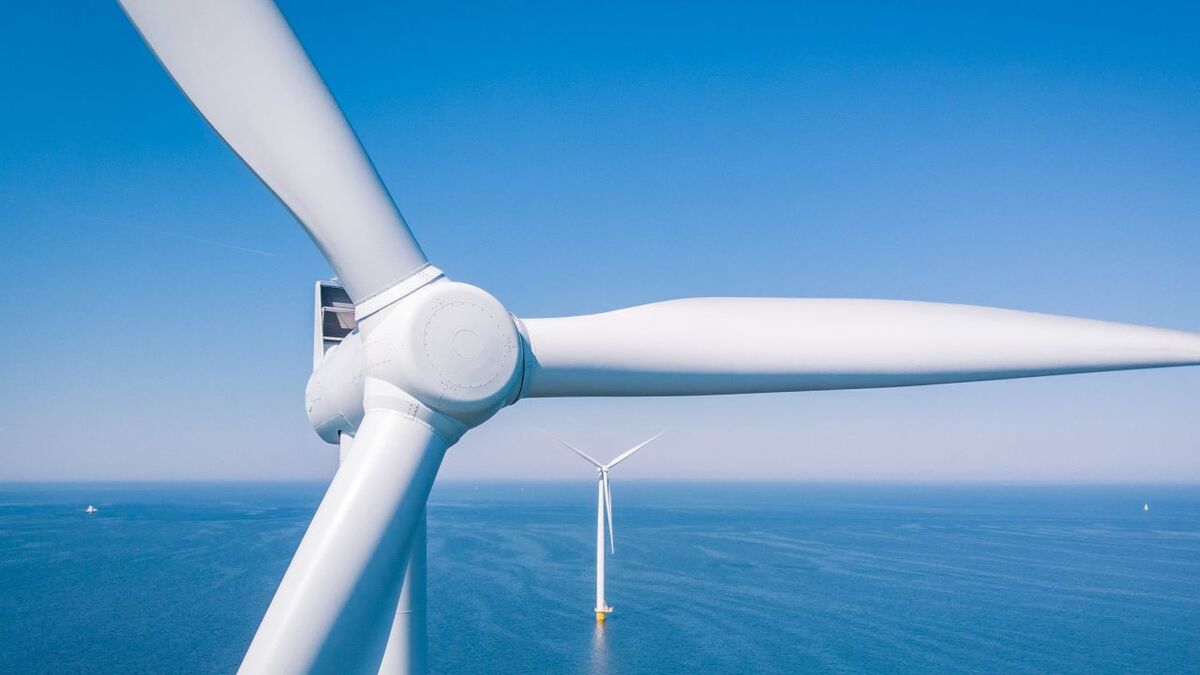
Japan needs to unleash its massive but untapped offshore wind potential to accelerate its power sector transition, according to analysis from energy think tank Ember


In a new report, Ember analyses Japan’s current electricity plans and finds it is lagging behind other G7 countries when it comes to decarbonising the electricity sector.
Said Ember, “G7 climate and energy ministers have already laid out goals for offshore wind and solar power. It is Japan’s reluctance to step up on wind – especially offshore wind – that is preventing itself from setting its sights on a decarbonised power sector.
“Japan has the lowest share of clean electricity of any G7 country. In 2022, Japan got 29% of its electricity from clean sources, the lowest of any G7 country. 71% still comes from fossil fuels.
“Japan also has the highest share (33%) of coal generation of any G7 country. In 2022, wind generated just 1% of Japan’s electricity whereas for the rest of the G7, wind power generated 11% of electricity. Wind accounted for more than 10% of generation in the US and more than 20% in both Germany and the UK.
“Offshore wind is the biggest lever to unlock a decarbonised power sector,” said Ember, “but Japan’s lagging wind ambition is holding it back. In their most recent communiqué, G7 Climate, Energy and Environment Ministers laid out plans for 150 GW of new offshore wind by 2030. Japan has plans to award contracts for 10 GW by 2030 but will only have operational capacity of 5.7 GW by then. This means Japan’s operational offshore wind is projected to be just 4% of the collective G7 target by 2030. It is also only a little over 1% of the 392 GW theoretical potential of offshore wind in the country.”
Ember said the G7’s announcement that it will build 150 GW of offshore wind highlights just how far Japan has fallen behind on the electricity transition. Head of insights Dave Jones said, “If Japan showed the same confidence in offshore wind that other G7 countries have it would be able to align with the G7 premise of decarbonised electricity by 2035.
“Wind and solar are the biggest and best tools for reducing emissions this decade. The world is looking at the G7 to show leadership for how quickly this transition can happen. As it presides over this year’s G7 meeting, Japan is facing a problem: its peers are going full steam on the electricity transition, but Japan is lagging behind and is holding back the G7’s overall ambition.”
Sign up for Riviera’s series of technical and operational webinars and conferences in 2023:
- Register to attend by visiting our events page.
- Watch recordings from all of our webinars in the webinar library.

Related to this Story

Events

Maritime Regulations Webinar Week
 16 Dec 2025
 GMT - ONLINE
Floating energy: successfully unlocking stranded gas using FLNGs and FSRUs
24 Feb 2026GMT - ONLINE
© 2026 Riviera Maritime Media Ltd.


