


Business Sectors
Business Sectors
Events
Contents

Register to read more articles.
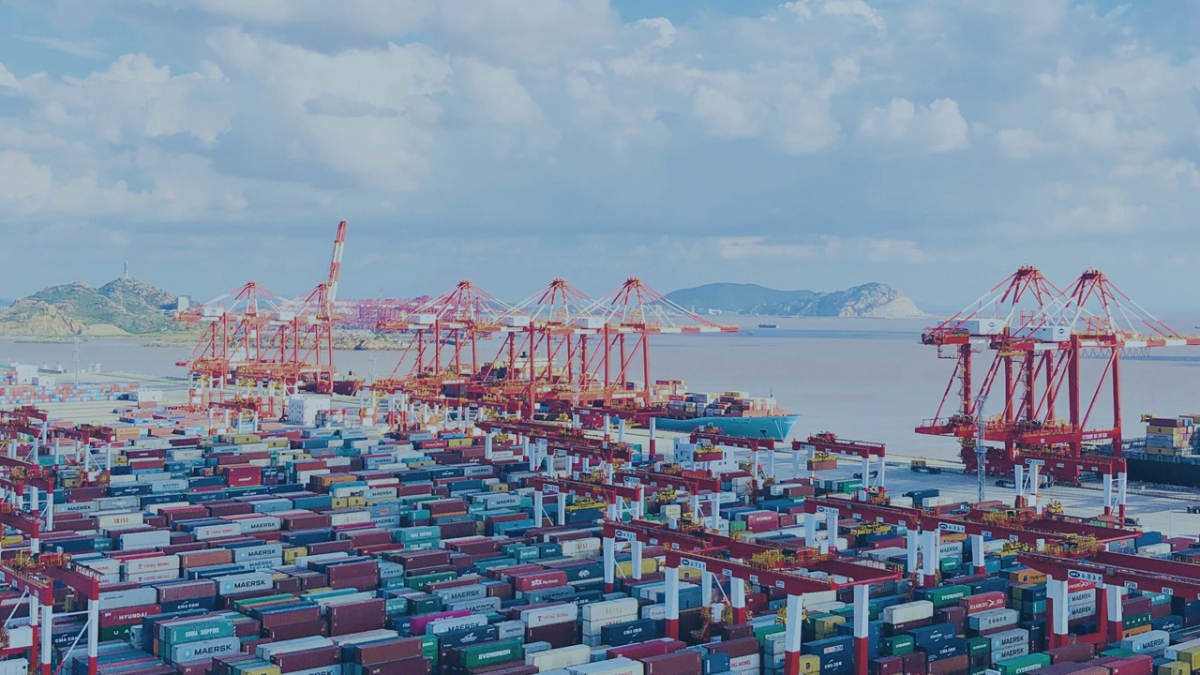
Owners on alert, freight markets move as China port fees propel 'chess-game'
While Beijing’s update on port fees has given shipping some ’breathing room,’ the industry remains cautious, reassessing corporate structures and chartering exposure as it adapts to the new policy framework and braces for tighter port checks


In one of the most eventful weeks for global shipping in recent years, 14 October marked the simultaneous start of port fees imposed by both China and the United States. While the industry had months to digest Washington’s measures – announced in April – Beijing’s decision, revealed just days earlier, caught the market off guard.
“The measure, while mirroring earlier US tariffs, comes with a distinctly different playbook: it’s faster, broader, and unmistakably strategic – signalling that Beijing is prepared to use its maritime domain as an instrument of leverage, not just retaliation,” Allied Quantumsea head of valuations Chara Georgousi told Riviera.
According to Ms Georgousi, the two frameworks differ in both timing and execution, revealing distinct approaches. While the US targeted Chinese-built tonnage under state-linked control, Beijing has cast a much wider net – covering not only US-flagged or US-built vessels but also any ship where American investors, directors, or shareholders hold significant stakes or voting rights.
“In practice, that places a large portion of the world fleet under potential scrutiny – particularly among publicly listed companies and those with complex ownership structures,” she noted.
Owners on alert
Though the industry is not panicking, it is on high alert. Ms Georgousi cited market discussions suggesting owners are quietly reviewing corporate setups and chartering exposure to ensure they are not inadvertently caught by the policy’s broad definitions.
“The takeaway is clear: the closer a vessel’s ownership structure is tied to US interests, the higher the potential cost of trading into China,” she said.
Reports also point to growing expectations of additional documentation, tighter ownership checks, and possible clearance delays at Chinese ports.
“Until verification protocols are fully understood, some vessels may delay Chinese calls, while charterers could prefer shorter voyages to manage potential exposure,” Ms Georgousi added.
This view was echoed by Optima Shipping Services head of market analysis and decarbonisation strategies Angelica Kemene, who expects deeper data and governance checks on KYC, operators, and equity links, with some owners reconsidering their structures to avoid unintended exposure.
“Pricing transparency will come under pressure as voyage P&Ls and bunker-adjusted surcharges are used to pass through costs where possible, especially on spot business,” she said.
Exemptions ease some pressure
China’s Ministry of Transport later clarified that Chinese-built vessels, as well as empty ships entering domestic yards solely for repairs, would be exempt from the fee – offering what Ms Georgousi called “some breathing room” for shipping.
“The move strikes a balance between control and calibration – mitigating immediate disruption while nudging long-term incentives toward domestic yards and greener fleets,” she explained.
Still, the broader implications extend well beyond port fees.
“China handles roughly a third of global seaborne trade, compared with about a 10th for the US, so the imbalance in exposure is clear,” Ms Georgousi noted.
“And since much of the global fleet operates under charter to US-based commodity houses and trading giants, the indirect reach of the measure could stretch far beyond direct ship ownership.”
Freight market reaction
Freight markets reacted swiftly to the developments. Ms Georgousi said rates on major crude routes, particularly Middle East–China, rose sharply as charterers rushed to secure non-US-linked ships.
In dry bulk, fixing activity increased as traders sought coverage ahead of potential bottlenecks.
“Some of this surge likely reflects precautionary positioning, but it shows how quickly sentiment can shift when geopolitics collides with commercial risk,” she observed.
Ms Kemene expects the new measures to create a selection premium for China-bound ships.
“We’re likely to see a two-tier vessel pool, with non-US-linked tonnage commanding small premia into China, while US-linked units either reroute or price the levy into fixtures,” she said.
She added that this may lead to micro-premia and added volatility, rather than a structural squeeze, since the levy applies only at a vessel’s first Chinese port call and for a limited number of voyages per year.
A long-term geopolitical game
Looking ahead, Ms Georgousi believes the broader strategy behind Beijing’s move is clear.
“Beijing is asserting tighter control over inbound logistics, aligning maritime policy with its industrial and environmental priorities while keeping room to manoeuvre diplomatically,” she said.
Meanwhile, the US has made it clear that it views shipping as a strategic front in countering China’s industrial dominance – turning a once-operational issue into a geopolitical instrument.
According to Ms Georgousi, the balance of leverage may already be shifting.
“With China commanding a far greater share of global seaborne trade and showing its willingness to use that leverage decisively, the balance of pressure has moved eastward,” she said.
Beijing’s recent decision to extend restrictions to five US entities of South Korea’s Hanwha Ocean underscores this confidence.
“For now, China appears to be adopting elements of Washington’s own playbook – opening with maximalist positions, exploiting leverage and counterpart vulnerabilities, and signalling a credible readiness to walk away,” she noted.
“If this pattern holds, the next chapter of the US–China trade saga won’t be decided by tariffs alone, but by which side sustains pressure longer. This could redefine the balance of power in global commerce for years to come,” Ms Georgousi concluded.
Riviera’s International Bulk Shipping Conference will be held in London on 18 November 2025. Use this link to register your interest and attend the event.



Related to this Story



Events

Maritime Regulations Webinar Week
 16 Dec 2025
 GMT - ONLINE
Floating energy: successfully unlocking stranded gas using FLNGs and FSRUs
24 Feb 2026GMT - ONLINE
© 2026 Riviera Maritime Media Ltd.


