


Business Sectors
Business Sectors
Events
Contents
Register to read more articles.
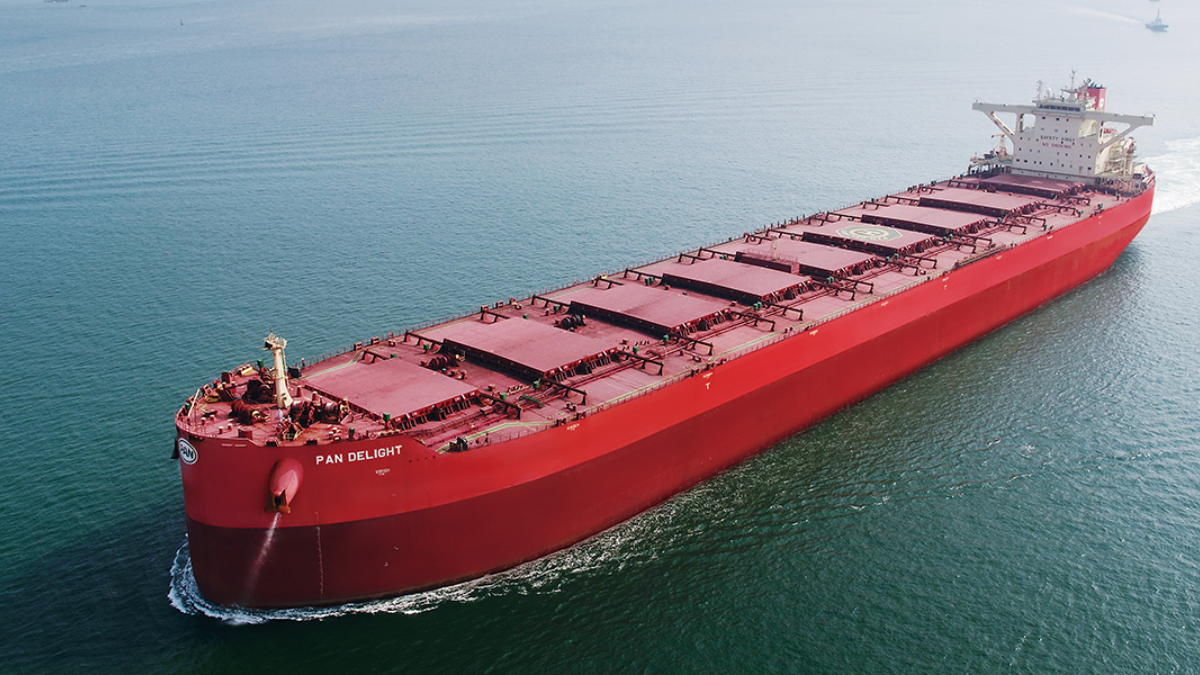
Pan Ocean secures US$340M long-term iron ore transport deals with Vale, Hyundai Glovis
South Korean shipping major Pan Ocean has signed two long-term iron ore transport contracts with Hyundai Glovis and Vale, with a combined value exceeding US$340M


The first agreement, worth approximately US$180M, is with shipping and logistics company Hyundai Glovis. It covers the transport of iron ore from Australia to South Korea using a dedicated ore carrier. The contract is structured as a consecutive voyage contract and is set to commence on 15 April 2025, running through September 2032. A Pan Ocean official clarified to local media that, although the contract counterparty is Hyundai Glovis, it is, in fact, on behalf of Hyundai Steel.
In a second deal, Pan Ocean will partner with Brazilian mining giant Vale for the shipment of iron ore from Brazil to China and other destinations, deploying two ore carriers. This contract, valued at around US$160M, will also start on 15 April 2025 and is scheduled to conclude in September 2030. Vale is already a major client for Pan Ocean, with the shipowner’s latest financial report citing 16 vessels currently employed on long-term contracts with the miner, with an average remaining duration of 13.9 years.
Both contracts were announced via Korea Exchange filings on 9 April.
Market sources note these agreements typically take years to materialise, from initial discussions to final execution, making it difficult to view them as a direct positive signal for the broader dry bulk market.
Dry bulk strategy remains central
According to its latest corporate presentation, Pan Ocean managed a fleet of 247 bulk carriers, a mix of owned and chartered-in vessels, as of the end of 2024. Of these, 46 vessels are classified as Capesize or larger.
The company is also actively expanding its fleet. It has six Ultramax newbuildings on order, scheduled for delivery by 2028, and continues to invest in secondhand acquisitions. Notably, two Capesize vessels, an ore carrier, and a Panamax are expected to join the fleet within 2025.
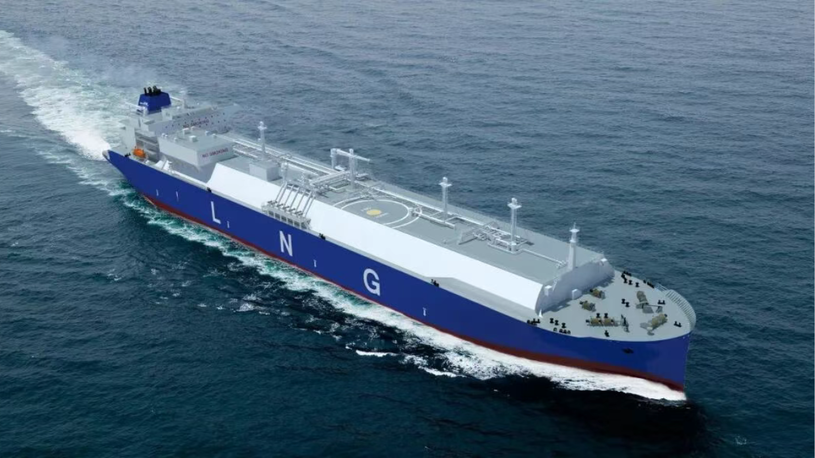
While dry bulk remains at the core of its business, Pan Ocean has been diversifying. As of the end of last year, its owned and chartered-in fleet also included 43 vessels across other sectors, including tankers, container vessels, LNG carriers and heavy-lift ships.
Sign up for Riviera’s series of technical and operational webinars and conferences:
- Register to attend by visiting our events page.
- Watch recordings from all of our webinars in the webinar library.

Related to this Story

Events

Maritime Regulations Webinar Week
 16 Dec 2025
 GMT - ONLINE
Floating energy: successfully unlocking stranded gas using FLNGs and FSRUs
24 Feb 2026GMT - ONLINE
© 2026 Riviera Maritime Media Ltd.


