


Business Sectors
Events

Floating energy: successfully unlocking stranded gas using FLNGs and FSRUs
 24 Feb 2026
 GMT - ONLINE
Contents

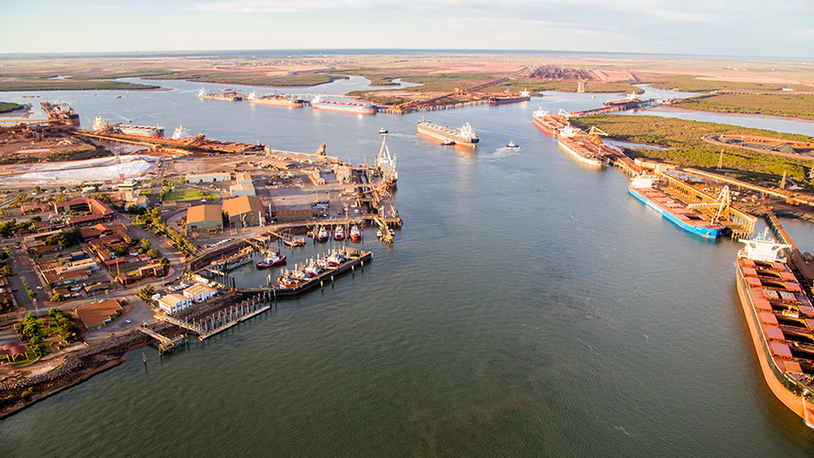
Signal Ocean flags mixed dry bulk flows in 2025
Signal Ocean data shows iron ore and steel flows rose in 2025, while coal fell and bauxite climbed strongly


Signal Ocean’s annual review of seaborne dry bulk activity in 2025 described a market pulled in different directions by commodity-specific fundamentals, with China’s domestic policy choices framed as the central variable.
In the report, Signal Ocean wrote, “China’s demand is the heaviest factor for commodities in 2025”.
On iron ore, Signal Ocean recorded that seaborne flows increased by around 3% in 2025 to 1.8Bn tonnes, with Australia remaining the origin for 55% of exports and China accounting for 75% of destination volumes, in line with 2024. “China imported 23M tonnes more seaborne iron ore in 2025 than in 2024.”
Signal Ocean also pointed to weaker underlying steel demand in China, citing “a year-to-date decrease in crude steel production in China of close to 5%” up to November 2025.
Signal Ocean’s outlook section argued that “2026 is shaping up to be an interesting year for iron ore,” with “considerable downward pressure likely on price,” linking this to expectations of further year-on-year declines in Chinese steel production and the ramp-up of Simandou, which it said would produce “around 120M tonnes per annum” at full capacity.
It added that India’s higher steel output in 2026 was unlikely to “meaningfully move the needle for the shipping industry”, given its share of global iron ore imports.
Coal flows moved in the opposite direction: Signal Ocean recorded a 3% fall in 2025 seaborne coal flows to 1.4Bn tonnes, with Indonesia at 37% of origin volumes and China’s receiver share easing to 29% from 31% in 2024.
Thermal coal comprised “around 77%” of seaborne coal tonnage and Signal reported that China imported “11% less seaborne thermal coal in 2025” than the prior year, attributing this partly due to domestic production that was “3% ahead” year-on-year, and partly to thermal power output being “1% lower” while total electricity production rose by 2%.
Bauxite was the strongest growth story in the review.
Signal Ocean recorded an 18% rise in seaborne bauxite flows to 257M tonnes, with Guinea’s share rising to 68% and China taking 85% of seaborne imports.
It expected “continued strong flows of bauxite to China through the start of 2026,” while flagging that China’s aluminium production cap “provides a ceiling for bauxite demand growth.”
Steel flows increased by 4% to 233M tonnes, with Signal Ocean stating that China’s share of steel exports “surged in 2025, reaching 39%, up from 33% in 2024,” aligning this with weaker domestic demand.
It added that steel products were carried “overwhelmingly by Supramax vessels, 47% since 2022,” and suggested route-specific effects rather than a broad market shift.
The report concluded, “As a result, freight rates in 2026 are expected to come under pressure.”
Sign up for Riviera’s series of technical and operational webinars and conferences:
- Register to attend by visiting our events page.
- Watch recordings from all of our webinars in the webinar library.




Related to this Story

Events

Maritime Regulations Webinar Week
16 Dec 2025GMT - ONLINEFloating energy: successfully unlocking stranded gas using FLNGs and FSRUs
24 Feb 2026GMT - ONLINE
© 2024 Riviera Maritime Media Ltd.


