


Business Sectors
Events
Contents
2026 outlook in marine propulsion: engines of change
New two- and four-stroke alternative fuel-capable engines will debut in 2026, led by pioneering ammonia dual-fuel pilot projects


When the MEPC Extraordinary Session 2 resumes in mid-November after a year-long delay, delegates will face stiff opposition to adopting the IMO Net-Zero Framework (IMO NZF). IMO NZF’s global greenhouse gas (GHG) fuel intensity standard and carbon tax on shipping have not won any fans in Washington or Riyadh since MEPC 83 ES2 in October 2025.
A fine-tuned version of the IMO NZF is expected to be presented by the Intersessional Working Group on the Reduction of Greenhouse Gas Emissions for adoption at MEPC 84 in April 2026.
The year-long delay on adopting IMO NZF “undermines low-carbon liquid fuel projects that were relying on the maritime sector as a key offtaker,” noted Wood Mackenzie principal analyst, EMEARC refining and oil product markets, Iain Mowat.
While IMO grapples with implementing its net-zero framework internationally to advance its GHG Reduction Strategy, the EU is moving full steam ahead with the EU Emissions Trading Systems and FuelEU Maritime, driving its own agenda on reducing GHG emissions from the maritime sector.
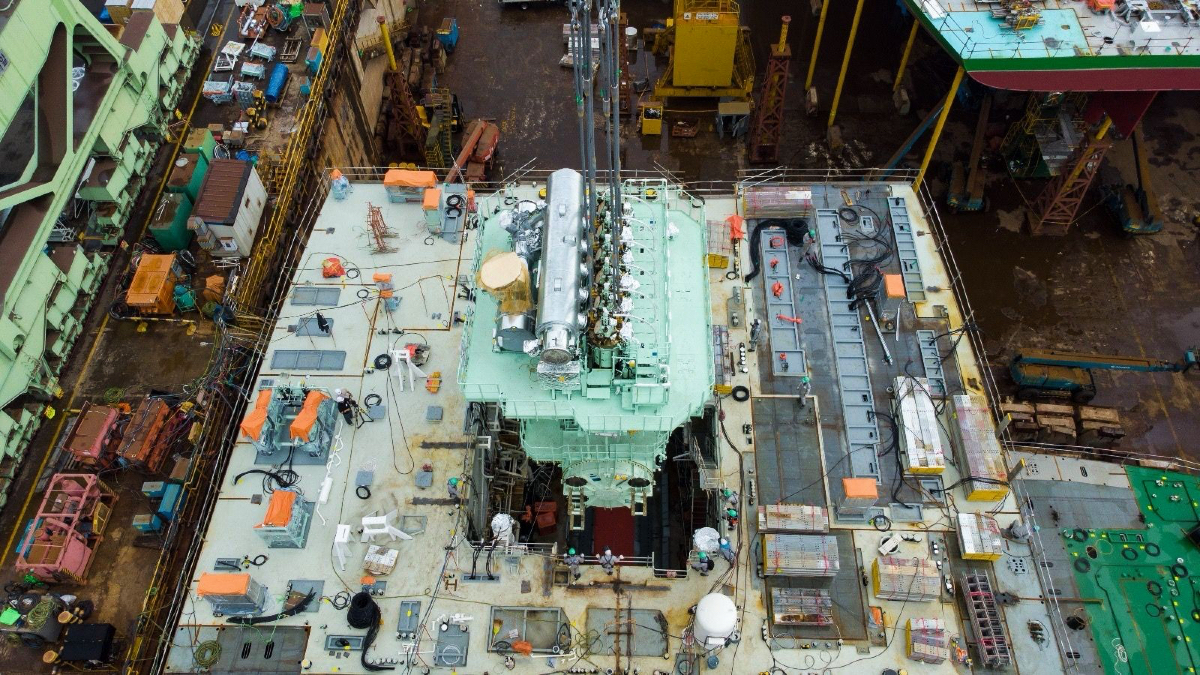
Despite uncertainty around alternative fuel supply, pricing and bunkering, owners are investing in dual-fuel engine technology and energy-saving technologies. 2026 will kick off several pilot projects using two-stroke ammonia dual-fuel engines, setting the stage for the first commercial use of the zero-carbon fuel in shipping. WinGD’s first X52DF-A ammonia dual-fuel engine was installed in a 46,000-m3 LPG/ammonia carrier last year, and the second was launched in a four-ship series at HD Hyundai to kick off 2026.
Mid-2025, WinGD reported sales of 30 X-DF-A engines, which are designed with high-pressure ammonia injection and use pilot fuel of around 5% at full load. These orders are for gas carriers, bulkers and container ships. Additionally, WinGD, which has had significant success with its low-pressure X-DF engine, has unveiled its first high-pressure LNG dual-fuel engine, the X-DF-HP.
In Japan, J-ENG’s first full-scale commercial high-pressure ammonia dual-fuel engine, 7UEC50LSJA-HPSCR, is being prepared for installation in a new medium-sized gas carrier under construction at JMU Ariake Shipyard that will enter service this year.
Everllence, too, will deliver its first ammonia B&W ME-LGIA engine in Q1 2026. The European engine designer has about 20 pilot projects, including orders for Everllence B&W 6G60 ME-LGIA engines for two very-large ammonia carriers for Eastern Pacific Shipping, with factory approval testing (FAT) in Q1 2026 and delivery in Q3 2026.
A further four Everllence 7S60 ME-LGIA engines are destined for four Höegh Autoliner 10,800-CEU pure car and truck carriers. FAT is set for Q3 2026 and delivery in Q2 2027.
And another 7S60 is targeted for a Newcastlemax bulk carrier in Japan.
Data compiled from these early installations will be closely monitored to optimise the combustion process and troubleshoot operations.
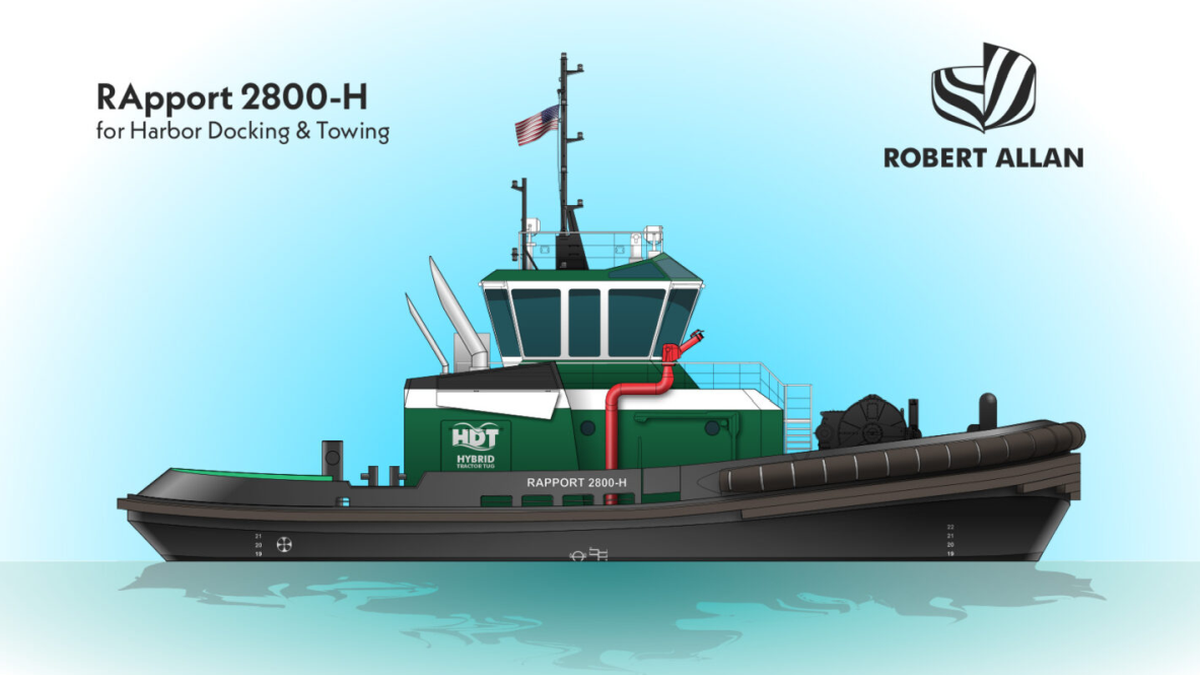
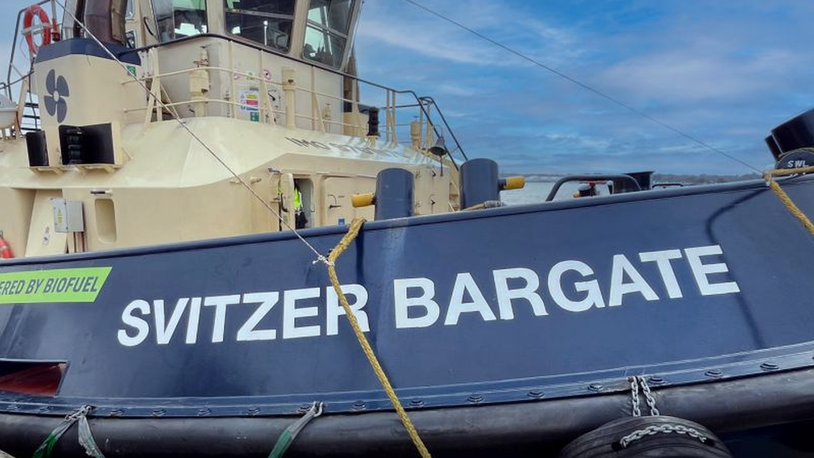
The line-up of commercially available methanol dual-fuel engines will expand this year, too, and the first methanol-capable tugs will enter service.
Ethanol, the ‘other’ alcohol-based fuel, is gaining interest among shipowners as a potential alternative fuel, and if certified by IMO as a low-carbon fuel, could provide vessel owners with more fuel flexibility.
In one of the latest technology developments, HD Hyundai Engine & Machinery reported its medium-speed HiMSEN H32DF-LM methanol dual-fuel engine platform operated stably on ethanol at all load points. The South Korean engine manufacturer has also recorded milestones in the development and commercial release of ammonia and LNG prime mover and genset platforms.
LNG reigns supreme
But when it comes to investing in an alternative fuel-capable newbuilding, LNG remains king. 80% of the alternative fuel tonnage ordered during 2025 was LNG-capable. Based on shipbuilding data by fuel type from Clarksons, owners inked contracts for 256 LNG newbuilds, 66 methanol vessels, five ammonia ships and nine hydrogen units.
Not including LNG carriers, DNV Alternative Fuels Insight reports the global LNG dual-fuel fleet will near 1,000 vessels this year, with another 500 on order.
While alternative fuel availability remains uncertain, 2026 will be the year of engines of change.
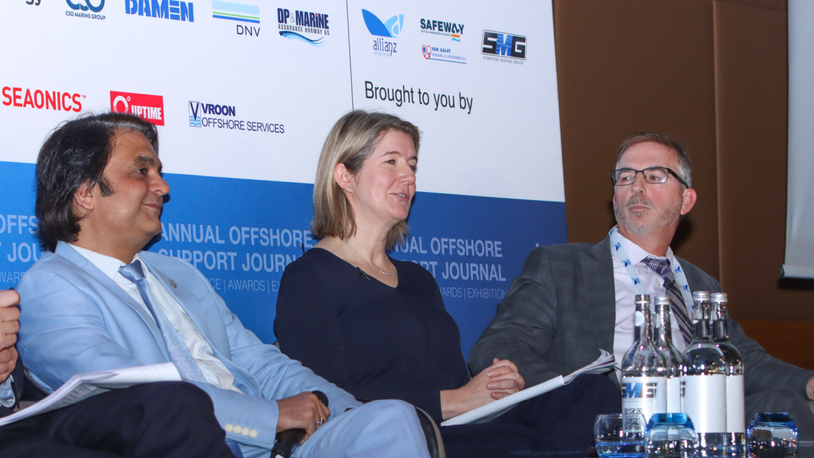
Riviera’s Annual Offshore Support Journal Conference, Awards & Exhibition 2026 will be held in London on 3-4 February 2026. Use this link for more information and to register for the event.
Related to this Story
Events

Maritime Regulations Webinar Week
 16 Dec 2025
 GMT - ONLINE
Floating energy: successfully unlocking stranded gas using FLNGs and FSRUs
24 Feb 2026GMT - ONLINE
© 2024 Riviera Maritime Media Ltd.


