


Business Sectors
Events
Contents
US sanctions on Rosneft, Lukoil expected to cause temporary slowdown in Russian crude exports
Short-term disruptions in Russian crude exports are expected following new US sanctions on oil giants Rosneft and Lukoil


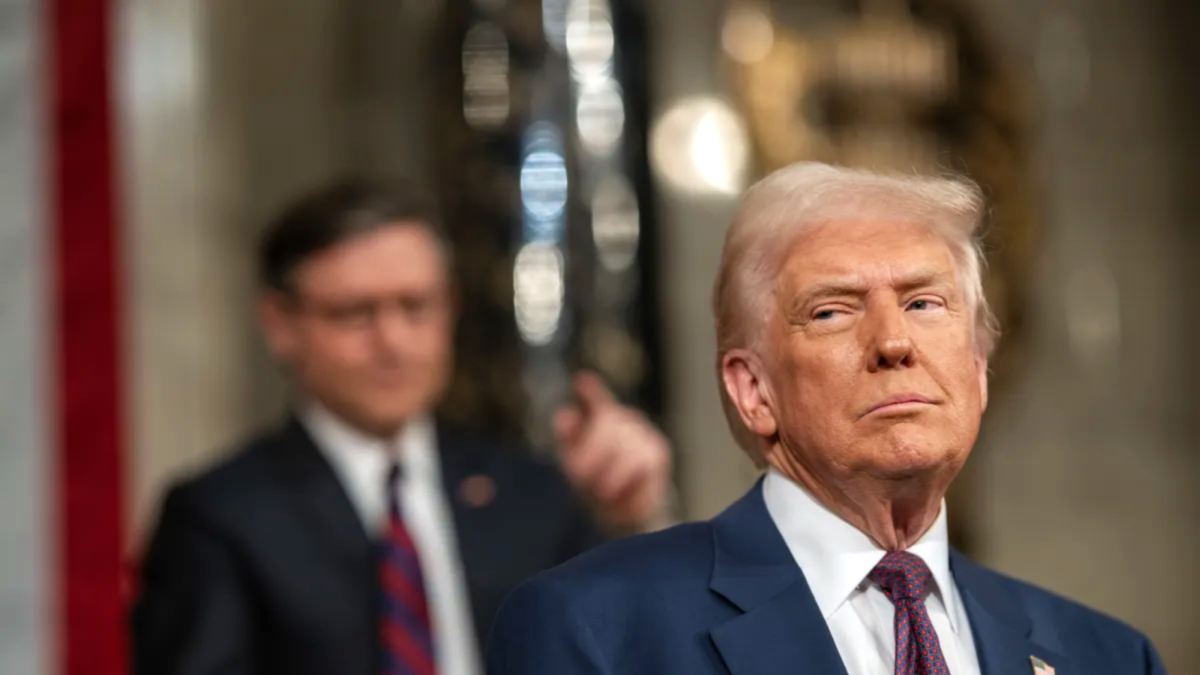
US President Donald Trump said he “felt it was time” to impose the sanctions, adding he had “waited a long time” to take this step, according to international media reports.
The US Department of the Treasury’s Office of Foreign Assets Control (OFAC) announced the measures on 22 October, citing “Russia’s lack of serious commitment to a peace process to end the war in Ukraine.”
The sanctions target Russia’s two largest oil companies. Rosneft is described as a vertically integrated energy company involved in the exploration, production, refining, transport and sale of petroleum, natural gas and petroleum products. Lukoil operates across similar segments, engaging in the exploration, production, refining, marketing and distribution of oil and gas both in Russia and abroad.
Kpler data reveals that the two firms collectively produce over 5M barrels per day, including roughly 2M barrels per day of seaborne crude.
“Now is the time to stop the killing and for an immediate ceasefire,” said US Secretary of the Treasury Scott Bessent. “We encourage our allies to join us and adhere to these sanctions,” he added.
The development follows measures announced last week by the UK, which also targeted Rosneft and Lukoil, along with 51 tankers and LNG carriers and four oil terminals in China.
Short-term disruption
Kpler senior risk and compliance analyst Dimitris Ampatzidis told Riviera the US sanctions are expected to cause short-term disruptions in Russian crude exports “as buyers reassess the risks and a reorganisation of trade flows may be required.”
However, he noted “a significant interruption of Russian exports is not anticipated, since the measures do not include secondary sanctions – something that allows non-US buyers, such as Indian and Chinese refiners, to continue purchasing directly from Russian companies.”
Mr Ampatzidis said a temporary slowdown in flows to India and China is likely as refiners evaluate the legal and operational implications of the new measures.
Addressing reports that India will reduce imports of Russian crude, he added that fully replacing Russian volumes – estimated at around 2.7–2.8M barrels per day – remains difficult, which could prompt adjustments in processing rates and inventories at Asian refineries.
“Therefore, unless and until secondary sanctions begin to be discussed, we should not expect major reductions,” he concluded.
Riviera’s Tankers 2030 Conference, Singapore will be held 19-20 November 2025. Use this link for more information and to register for the event.


Related to this Story



Events

Maritime Regulations Webinar Week
 16 Dec 2025
 GMT - ONLINE
Floating energy: successfully unlocking stranded gas using FLNGs and FSRUs
24 Feb 2026GMT - ONLINE
© 2024 Riviera Maritime Media Ltd.


