


Business Sectors
Business Sectors
Events
Contents

Register to read more articles.

Decarbonisation amid a decade of disruption
Shipping makes progress on decarbonisation despite a decade of unprecedented disruption, but needs a global regulatory framework, says DNV Maritime CEO Cristina Saenz de Santa Maria


While momentum behind adoption of IMO’s Net-Zero Framework has slowed, the direction of travel remains clear for the maritime industry, despite navigating one of the most turbulent decades in recent history, says DNV Maritime chief executive Cristina Saenz de Santa Maria.
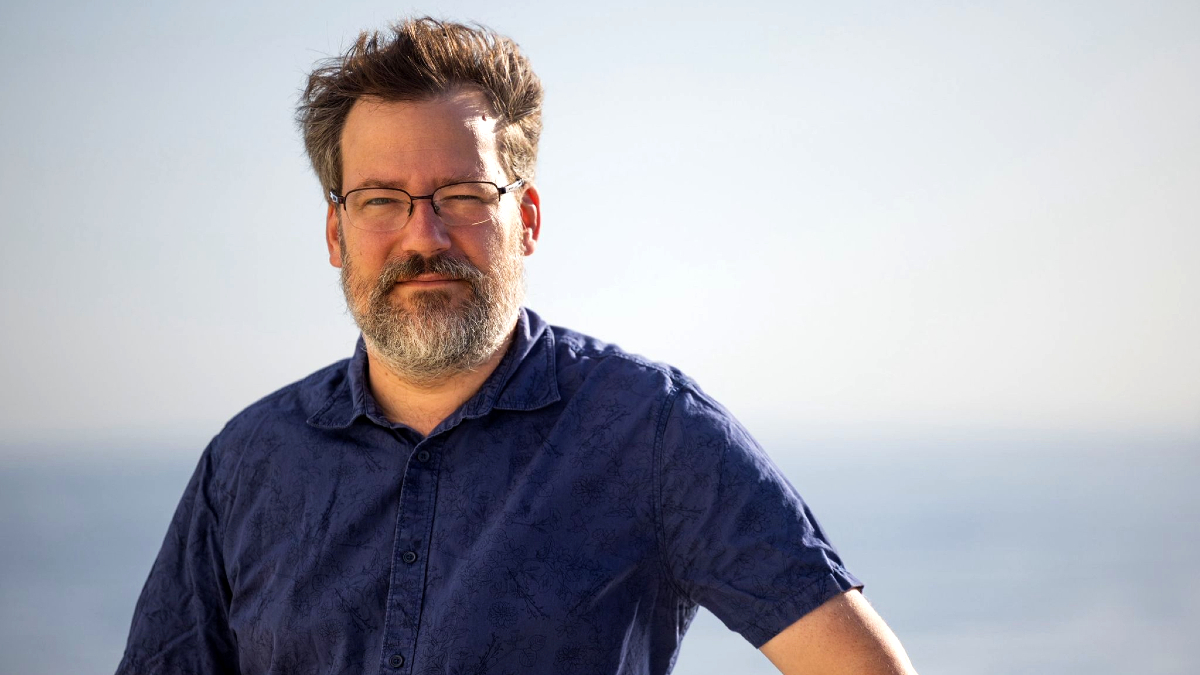
Marking the 10th anniversary of DNV’s Maritime Forecast to 2050, Ms Saenz sat down with Marine Propulsion at SMM 2026 in Hamburg to discuss how the conversation around maritime decarbonisation has evolved and matured significantly over the past 10 years.
“It hasn’t been an easy journey; not because of the complexity of discussion around decarbonisation itself, but because of what has been going on,” she said. Progress has come, she noted, despite the Covid-19 pandemic, the Ukraine War, Red Sea disruptions, the Middle East conflict, and broader geopolitical instability. Through it all, she noted, shipping has remained the backbone of global trade, continuing to move essential goods while trying to stay on course with its climate ambitions.
Traditionally, class societies like DNV have focused primarily on shipowners as their core customers. But over the past decade, Ms Saenz noted DNV has deliberately expanded its discussions to a broader range of stakeholders “to understand the challenge we have.” This expanded engagement has been crucial in assessing new low- and zero-carbon fuels and energy-saving technologies through studies and pilot projects, providing the industry with scientific evidence on safety and implementation requirements. Safety and risk mitigation remain bywords of adopting decarbonisation strategies.
At the same time, DNV has adopted digital technologies in how it provides assurance. That has meant embracing digitalisation and AI but also confronting emerging risks such as cybersecurity. The class society has invested heavily in expertise and specialist companies to support the industry, coupled with training to ensure seafarers and workers ashore can adapt to this rapid technological change.
Ten years after the release of DNV’s first Maritime Forecast to 2050, there is a sense that decarbonisation momentum may have slowed. Ms Saenz quickly pointed out that today’s environment is fundamentally different, shaped by heightened geopolitical complexity and regional conflicts that can quickly shift shipowners’ priorities toward crew safety and operational security.
“But the industry needs a global regulatory framework; otherwise, we risk higher compliance costs and higher complexity from an uneven playing field and fragmentation,” she said. “Shipping is a global industry – it needs global alignment.”
Amid uncertainty, one strategy remains a no-brainer: energy efficiency. DNV still sees an untapped potential to cut CO2 emissions and energy consumption by around 25% through efficiency measures alone. These gains can come from a range of energy-saving technologies - such as hull modifications, propulsion upgrades, or improved auxiliary systems - tailored to vessel type, trade, and operating profile. Many of these investments, she noted, offer attractive, fast payback periods.
Wind-assisted propulsion, for example, can play a meaningful role for certain vessel sizes, routes, and weather conditions. Likewise, onboard carbon capture remains a promising pathway, with the main challenges lying not in the core technology but in the supporting supply chain and infrastructure.
Her closing message to the industry was clear: “We must keep the momentum toward a global framework. Act now on energy efficiency, keep all technology and fuel pathways open, and work collaboratively across the value chain to make this happen.”



Related to this Story

Events

© 2026 Riviera Maritime Media Ltd.


