


Business Sectors
Business Sectors
Events
Contents
Register to read more articles.
Give to gain: the power of trust in the workplace
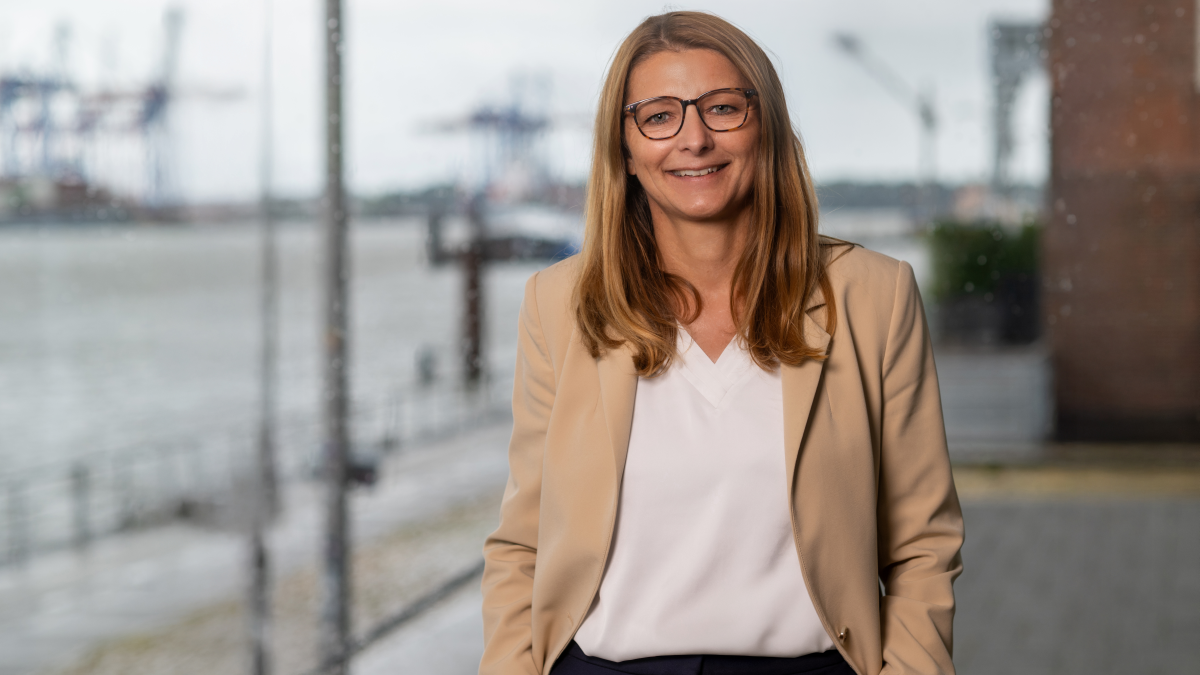
Trust is not a soft value at sea, but the foundation of safety, inclusion, retention and effective leadership, writes Columbia Group director of sustainability, diversity and inclusion Claudia Paschkewitz


Trust is often described as a soft value; it is a hard requirement.
At sea, where crews operate in high-risk environments, far from home and external support, trust directly affects safety, performance and retention. When trust is present, concerns are raised early, mistakes are reported honestly, and teams work cohesively under pressure. When it is absent, communication falters, small issues escalate, and people withdraw at precisely the moments when collaboration matters most.
In today’s world of political instability and constant change, people need to feel they have a safe space to speak up and be heard without fear. In maritime, that need is amplified by isolation, hierarchical command structures, fatigue, and multicultural crew dynamics. Trust is not simply about culture; it is a risk management tool.
If the recent events have shown us anything, it is how crucially important it is to have trust in our leaders. To know everything they are doing is in our best interests and not their own monetary agenda. Understandably, seafarers are looking to their employers to assure them that safety is their top priority and there must be open conversations and dialogue with their leaders to ensure a feeling of trust, transparency and assurance.
Psychological safety, the confidence that one can speak up without negative repercussions, is fundamental on board. When crew members feel able to question decisions, report near-misses, or admit mistakes, safety improves. Problems are addressed early, and lessons are shared. This is where continuous improvement becomes possible.
Conversely, when fear outweighs openness, critical information stays unspoken.
This is particularly important for those who may already feel marginalised. Women in maritime can hesitate to speak up for fear of being perceived as difficult or emotional. New joiners and those from diverse backgrounds may feel uncertain about their place within established crews. Without deliberate effort, silence can become the norm.
Creating an inclusive, high-performing vessel requires more than filling positions. It requires ensuring that every individual knows where they stand, understands expectations, and feels respected from the outset.
Trust does not begin and end on board. It extends beyond the deck and into onshore leadership, shaping how decisions are made and how teams are supported.
Reliability is central to this. Following through on commitments, communicating transparently during challenges, and ensuring consistency between policy and behaviour all signal to crews that leadership can be depended upon. What leaders say, what leaders do, and what leaders tolerate sends a powerful message throughout the organisation.
Equally important is how mistakes are handled. In a truly resilient culture, errors and challenges are treated as opportunities to learn rather than moments for blame. When teams focus on solving problems together, they become more confident, more capable, and better prepared for the next challenge.
Trust, in this sense, is operational infrastructure. It underpins safety records, crew wellbeing, client confidence, and long-term retention.
One of the most tangible ways to build trust is through mentorship. At Columbia Group, cadets are paired with mentors to provide guidance, reassurance, and continuity throughout their time at sea. The Female Cadet Mentoring Programme, which supports female cadets during their 12 months on board, reflects our commitment to inclusion and long-term career development.
Mentorship is not simply a well-being initiative. It strengthens retention, builds leadership pipelines, and ensures that talent entering the industry feels supported rather than isolated. Regular contact, open conversations, and vessel visits bring the programme to life and allow mentors to understand first-hand the challenges cadets face, from adapting to shipboard routines to building confidence within diverse crews.
Spending time with seafarers in Hamburg and hearing their experiences reinforced how transformative guidance and reassurance can be. Being paired with a cadet myself has shown me the practical impact of simply being available – to listen, to advise, and to remind someone that they are not navigating their challenges alone.
Trust cannot be assumed; it must be earned. It is built through consistent action, by giving time, guidance, and genuine care. When employees know they are supported, they feel secure. When they feel secure, they perform. And when they perform, the entire organisation benefits.
When leaders invest in their people, they gain more than engagement. They gain resilience, loyalty, stronger safety performance, and sustainable success.
That is the true power of trust.
Crew welfare is a central debate at Riviera’s April 2026 International Chemical and Product Tanker Conference:
- Register to attend here: The International Chemical and Product Tanker Conference 2026, London.
- View the latest issue of Tanker Shipping & Trade here: Tanker Shipping & Trade.
Related to this Story
Events

© 2026 Riviera Maritime Media Ltd.


