


Business Sectors
Business Sectors
Events
Contents
Register to read more articles.
PNG LNG project increases marine logistics, causes seafarer shortages
A new LNG export terminal development and other construction projects in Papua New Guinea (PNG) are finding there is a shortage of trained seafarers for support vessels


A lack of recruitment and training programmes in PNG has led to a 30% shortfall in qualified seafarers to serve on vessels providing logistics to the imminent Papua LNG construction phase. This is set to get worse as other construction projects in the country require marine logistics support.
A national owner of tugs and support workboats, Pacific Towing (PacTow), is calling for more investment in PNG to develop a new generation of seafarers to overcome the chronic shortage of suitably experienced and qualified seafarers. It is calling for oil and gas companies involved in these infrastructure projects to help develop seafarer training facilities to ensure there are enough seafarers to man vessels supporting these developments.
PNG is not training and developing as many seafarers as the country requires, and a substantial number of its older and experienced seafarers have retired. The dwindling number of available seafaring professionals are moving away from the regional market, securing employment with international maritime operations.
On the demand side, more crew are needed to operate more vessels. PacTow said, “Demand will peak in the next couple of years, given that sea and river transport is the primary freight mode for the construction phase of the Papua LNG project.”
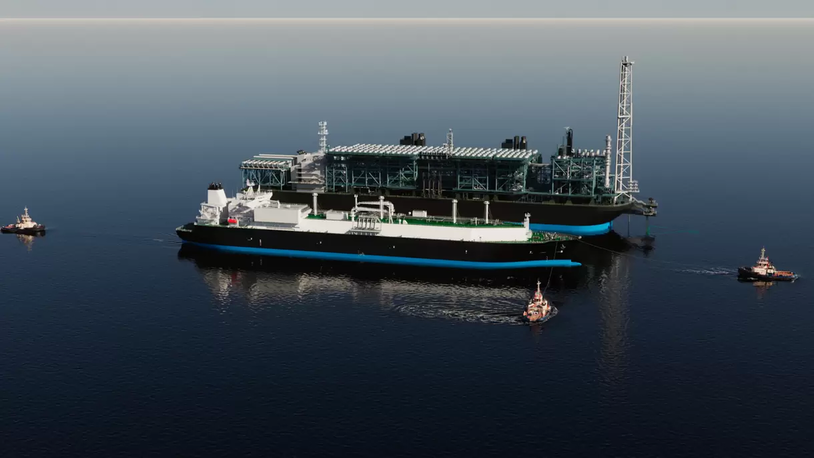
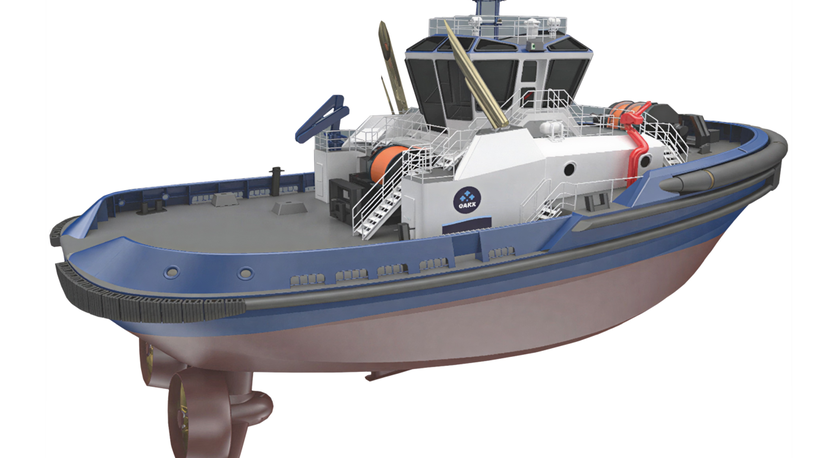
Demand will continue for this project after its completion as tugs will be required to support LNG carriers visiting the export terminal for decades ahead.
Given further developments on the horizon, such as the Wafi-Golpu gold mine in the country’s north and the P’nyang LNG project expansion, strong demand will continue beyond this peak.
The Papua LNG development is the first maritime-supported resource development of its scale in PNG since the construction of the Ok Tedi mine in the 1980s. Other equivalent developments of this scale required a land transport fleet of more than 600 lorries to deliver more than 26,000 loads of cargo.
“The current 30% shortfall of adequately qualified and experienced seafarers will likely grow to around 50% as the number of vessels servicing the Papua LNG construction phase increases,” warned PacTow.
“It is not just senior officers PNG lacks but seafarers with specific technical skillsets such as those required for vessels that service the nation’s growing oil and gas sector.”
Offshore vessels currently being contracted to LNG projects (and potentially in the future to offshore projects such as Twinza’s Pasca A in the Gulf of Papua) are required to comply with the stringent operational requirements of the Oil Companies International Marine Forum.
“Compliance for PNG operators will be increasingly challenging without appropriately skilled crew,” said PacTow.
The training and development of PNG seafarers for the oil and gas sector is currently limited by the absence of specific technical training programmes – both theoretical and practical.
“No PNG institution offers the necessary course work and very few (if any) offshore operators provide crucial at-sea training to PNG’s young seafarers,” said PacTow.
Given that PNG shippers need seafarers who have specialist technical skills to win contracts with oil and gas companies; and oil and gas companies in turn need shipping services, “it makes sense that shippers and developers work together to grow and upskill the required workforce.”

Related to this Story

Events

© 2026 Riviera Maritime Media Ltd.


