


Business Sectors
Business Sectors
Events
Contents
Register to read more articles.

Shell expands LNG strategy through Pavilion Energy
Shell strengthens LNG growth target by acquiring Pavilion Energy and new Chinese offtake deals


Shell has completed the acquisition of Singapore-based Pavilion Energy, integrating it into its global LNG portfolio to support its long-term ambition to grow LNG sales by 4-5% annually through to 2030.
The move consolidates Shell’s presence in key Asian markets and is consistent with its Energy Transition Strategy, which identifies LNG as a critical fuel in the decarbonisation of industry and power.
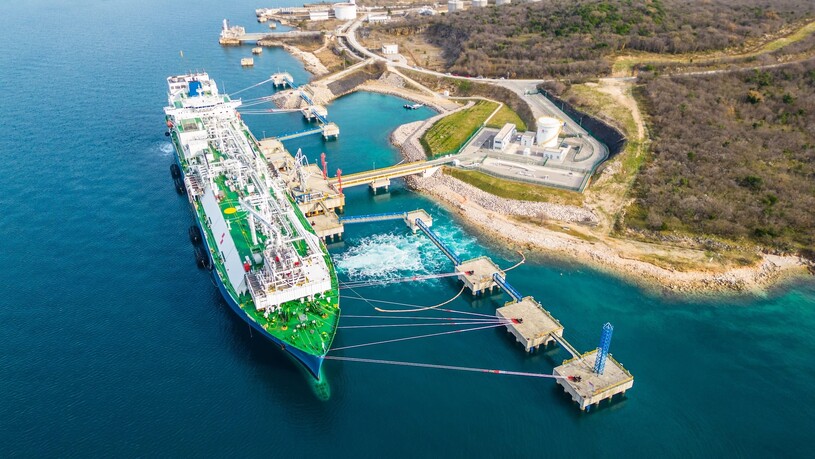
On 1 April 2025, Shell confirmed the finalisation of the Pavilion Energy acquisition from global investment company Temasek. The acquisition includes Pavilion’s portfolio of LNG offtake and supply contracts, time chartered vessels and regasification capacity. The company will operate under Shell’s Integrated Gas business and the Pavilion brand will be retired following a transition period.
“Pavilion’s portfolio and capabilities will enhance Shell’s global LNG position, especially in Singapore and southeast Asia,” Shell stated, describing the integration as “a key part of our strategy to grow our LNG business with lower carbon intensity”.
Pavilion Energy’s existing deals include a 10-year sales and purchase agreement (SPA) signed with China’s Shanghai Gas Group in December 2023, under which Pavilion will supply approximately 0.5M tonnes per annum of LNG starting from 2026.
While financial terms were not disclosed, the agreement marked Pavilion’s first long-term SPA with a Chinese buyer and was seen as a strategic move to deepen commercial ties with China’s growing industrial gas market.
According to Shell’s Energy Transition Strategy 2024, LNG is expected to play a key role in the company’s efforts to reduce emissions while ensuring energy security and flexibility.
“We plan to grow our LNG business by 20-30% by 2030 compared with 2022,” the strategy document notes, adding Shell will pursue LNG projects with internal rates of return of 11% or more, targeting opportunities with lower carbon intensity through renewable power and carbon capture integration.
Shell’s acquisition of Pavilion comes alongside a broader rationalisation of its downstream operations in Singapore. The company has completed the sale of its interest in the Energy and Chemicals Park in Singapore to CAPGC Pte for an undisclosed amount.
Shell noted this divestment as consistent with its focus on “performance, discipline and simplification” and stated it will concentrate on “retaining a strong commercial and trading presence in Singapore”.
These developments reflect Shell’s broader ambition to become a net-zero emissions energy business by 2050.
The company has identified LNG as a growth area, citing its advantages over coal in both power generation and industrial processes, as well as its role in decarbonising shipping and hard-to-abate sectors.
The strategy explicitly describes LNG as “the lowest-carbon fossil fuel,” with a growing role in displacing coal across Asia.
Shell is not alone in making long-term LNG plays in Asia, but the integration of Pavilion Energy – with its established contracts and shipping assets – provides Shell with a tangible advantage in meeting its LNG growth target.
Shell chief executive Wael Sawan reaffirmed this direction during the company’s recent Capital Markets Day, saying Shell’s LNG strategy is central to “delivering more value with less emissions”.
Sign up for Riviera’s series of technical and operational webinars and conferences:
- Register to attend by visiting our events page.
- Watch recordings from all of our webinars in the webinar library.

Related to this Story



Events

© 2026 Riviera Maritime Media Ltd.


