


Business Sectors
Business Sectors
Events
Contents
Register to read more articles.
Qatari LNG carriers transit Hormuz bound for Pakistan, but wider recovery remains uncertain
Pakistan appears to be the beneficiary of the first laden Qatari LNG cargoes to sail through the Strait of Hormuz since the Middle East conflict began, with more vessels potentially preparing for similar crossings


Riviera reported this week that 2009-built Al Kharaitiyat became the first laden QatarEnergy vessel to transit Hormuz since 28 February, signalling a course toward Pakistan’s Port Qasim.
According to Kpler, the vessel, which loaded 209,714 m³ of LNG at QatarEnergy’s Ras Laffan export complex, has now berthed at Port Qasim as of 13 May.
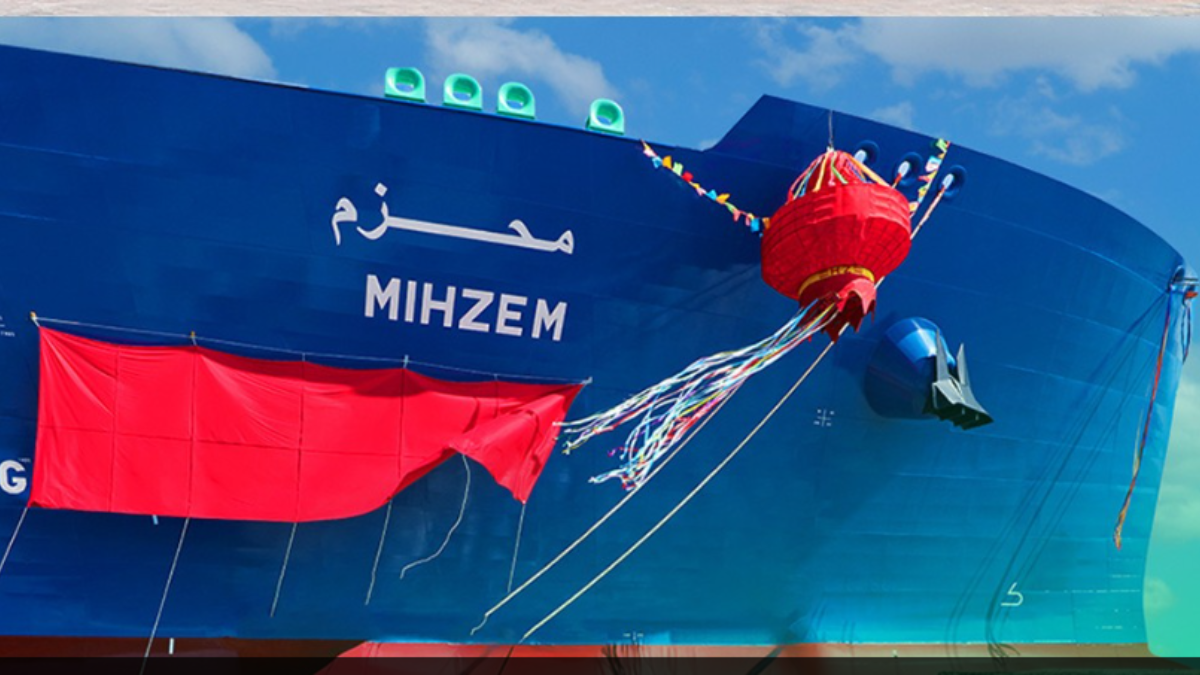
The same source indicated that a second QatarEnergy-operated ship, 2025-built Mihzem, crossed the Strait on 11 May and is expected to arrive at Port Qasim on 14 May.
“Both vessel transits were conducted with AIS transponders switched off for safety reasons,” Kpler said.
The firm added that Mihzem initially loaded about 140,000 m³ at Ras Laffan in early March before topping up with roughly 33,000 m³ a week ago.
Kpler expects two more laden QatarEnergy tankers currently stranded in the Gulf to transit the Strait for delivery to Port Qasim.
Drewry also said in a report published on 11 May that Mihzem, Disha, Patris, and Al Daayen had shown trading patterns similar to those observed for Al Kharaitiyat.
Pakistan in need of cargoes
The cargo movements between Qatar and Pakistan appear linked to an agreement involving Iran, according to Reuters. “Pakistan remains well-positioned to crack negotiations with Iran to secure Qatari cargoes,” Drewry said.
According to Kpler, state-owned Pakistan LNG did not award tenders closing on 7 May and 11 May, anticipating the arrival of Qatari cargoes under government-to-government arrangements.
Pakistan is in urgent need of LNG supplies. The country typically records an average of eight LNG carrier discharges per month, but that figure has fallen by 48% since February, according to Drewry data.
“Pakistan remains highly exposed to supply disruptions in the Middle East and has been facing a gas shortage since the conflict began, with the situation likely to worsen as summer demand approaches,” the firm added.
Wider buyer participation still uncertain
However, a key question remains whether other buyers will pursue similar agreements with Iran to unlock Qatari cargoes.
The crisis is expected to weigh heavily on Asia’s LNG market. “Even under the base case, Asian LNG imports are forecast to decline sharply in 2026, with only limited recovery until prices ease,” Poten & Partners has said.
The firm has revised its 2026 regional demand forecast down to about 260M tonnes from a pre-conflict estimate of roughly 291M tonnes.
Drewry said it remains unclear whether other Asian buyers will be able to secure similar arrangements, particularly as QatarEnergy has extended force majeure through June, leaving shipments dependent on political negotiations rather than market demand.
“Pakistan has secured agreement from Iran for a few cargoes, but that doesn’t mean Qatar can export to other buyers yet,” ICIS senior LNG analyst Alex Froley said in a social media post.
Kpler also noted that nine of the 12 remaining Qatari vessels in the Gulf have switched off their AIS signals for more than 24 hours.
The firm’s analysts said the behaviour appears to reflect a broader pattern of intermittent AIS activity rather than preparations for Hormuz transits similar to those undertaken by Al Kharaitiyat and Mihzem.




Related to this Story



Events

Maritime Regulations Webinar Week
 16 Dec 2025
 GMT - ONLINE
Floating energy: successfully unlocking stranded gas using FLNGs and FSRUs
24 Feb 2026GMT - ONLINE
© 2026 Riviera Maritime Media Ltd.


