


Business Sectors
Events
Contents
Register to read more articles.

Training and simulation enhance DP operator competency
Skills and knowledge gaps can be filled through hybrid teaching methods and continuous personal development


Accredited training and continuous development are vital to mitigating dynamic positioning (DP) incidents and accidents, as the offshore industry ramps up activity and DP2-class vessels come out of layup.
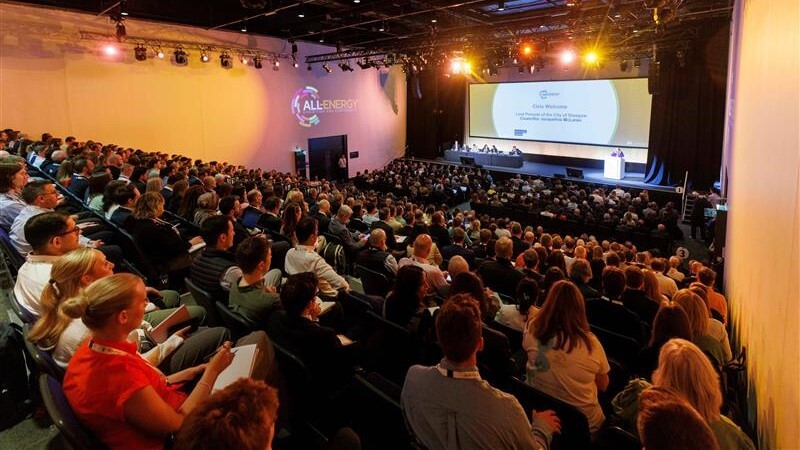
Some of the challenges faced by the industry in this regard were discussed at Riviera Maritime Media’s European Dynamic Positioning Conference, held in London in February.
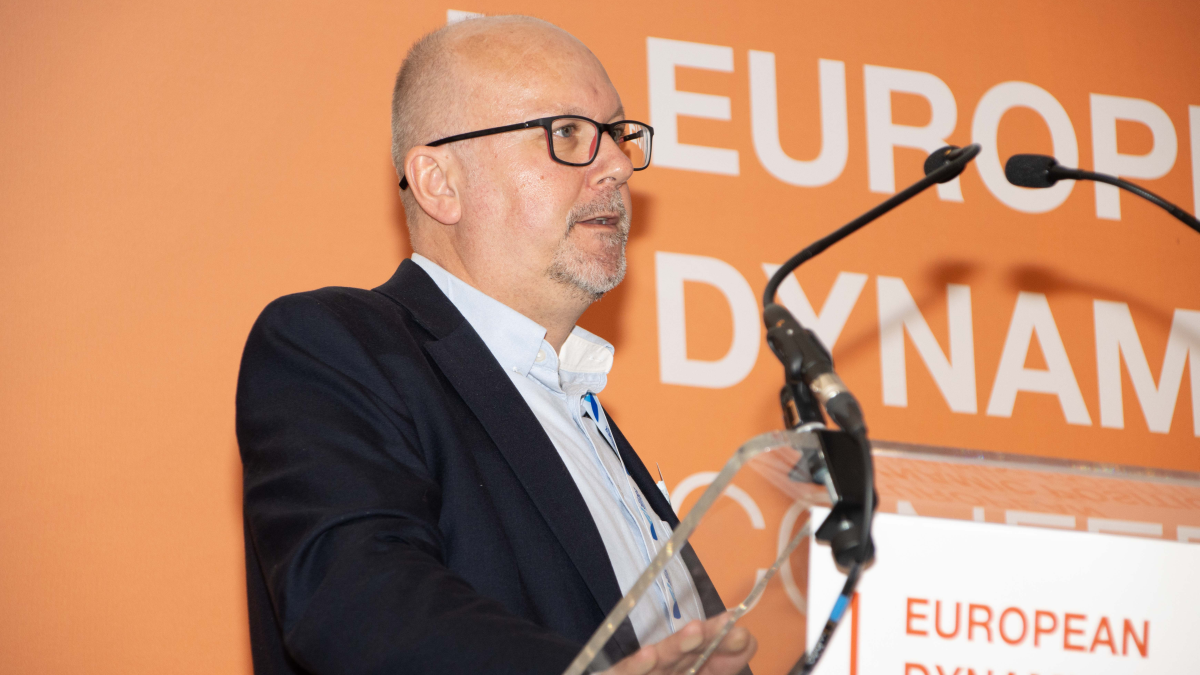
International Marine Contractors Association (IMCA) technical advisor Richard Purser shared IMCA’s latest analysis of DP station-keeping events and incidents. He explained these
figures suggested the number of reported DP incidents had stabilised, after rising throughout 2019-2021, as demand for OSVs started to climb and owners reactivated vessels.
In 2022, of all the reports received by IMCA, 52% were for undesired DP events, 27% were DP incidents and 21% DP observations.
“Human factors will be something we will always be dealing with”
DP incidents are major system failures, or environmental or human factors resulting in a loss of DP capability leading to loss of vessel position or heading. DP undesired events are system failures, environmental or human factors that cause a loss of redundancy and/or compromised DP capability; DP observations are any events deemed worthy of sharing.
Event reports are normalised and anonymised, then published in IMCA bulletins, typically four a year, each with a case study designed to generate discussion and understanding on how best to approach a given incident.
“We are not here to point fingers, we are here to learn lessons,” Mr Purser said. “There is a positive impact coming out of this negative event reporting,” he added.
Although many of the reported events are down to electrical, computer and mechanical failures, many still stem from the human element. There were 31 events in 2022 where human errors were the primary or secondary cause, of which 73% caused position losses. IMCA did not have data on incidents prevented due to trained DP operators’ quick reactions.
“Human factors will be something we will always be dealing with,” Mr Purser said, adding that training, interface standardisation, continuous personal development and concise decision support tools would help reduce such errors.
Owner case
Solstad Offshore implements training, simulation-based practice and continuous personal development to DP operator competence. It also uses Global Maritime’s DP management system to identify gaps in experience, competence and expertise, plus issues with decision support and operational tools.
"Trends on the reoccurrence of findings in all categories are used to assess the need for adjustments on planned maintenance routines and/or training for the key DP personnel to mitigate possible gaps in knowledge," said Solstad Offshore DP authority Rodrigo Fabireza.
The Norwegian OSV owner implements DP testing with the goal of ensuring safer fleetwide operations by assessing technical and operational challenges seen in the fleet. It develops specific training on the experience gaps identified.
Solstad uses DP management systems and annual trials to gather data to improve awareness, drills and guidelines for vessel operations, as well as sharing technical knowledge gained from past challenges.
Global Maritime manager for marine Services Dag Leo Emblemsvåg said many of the findings are repeated across the fleet: “The same findings are on different vessels. It can be a sister vessel; it can be within the fleet … but you can take learnings from those. To be able to share that between a fleet gives added value within the system.” This repository of DP data could become a blueprint for other owners.
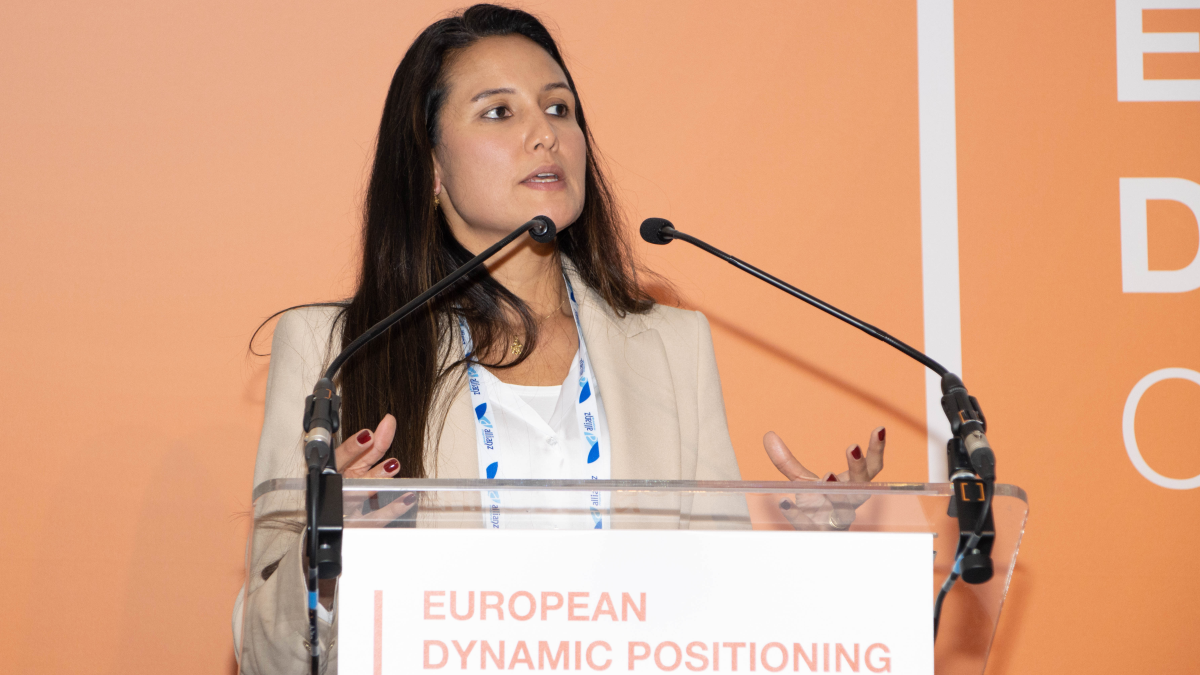
“We are seeing IMCA is struggling to get proper data from owners, and [in the Solstad-Global Maritime project] we are talking about a fleet of 90-plus vessels that perform trials every single year,” said Mr Fabireza. “So, we are talking about hundreds of trials with several hundreds of findings that we can extract data from for the overall improvement of the fleet.”
During the last three years, the Solstad-Global Maritime project discovered more than 20 findings related to DP operational documentation, including issues with DP footprint plots, checklists, decision support tools and DP capability plots.
Training centre viewpoint
Academies are at the forefront of improving competence among DP operators. New cadets appear to lack knowledge in the basics, such as COLREGS, the International Regulations for Preventing Collisions at Sea.
“There is a lack of familiarity with new technologies,” said training group Simwave’s technical manager Cynthia Lopes.
These missing fundamentals and inexperience with cutting-edge technologies pose a risk of knowledge gaps in critical activities.
“We are talking about hundreds of trials with several hundreds of findings”
There is also “lack of activity-specific training,” said Ms Lopes, noting this provides seafarers with additional knowledge and practice.
“In offshore, we have so many activities, so many operations, that the specific activity training available is not yet coping with the scope of activity required,” she said.
More specific activity training is needed, as is appropriate familiarisation on new technologies, refreshment courses, safety studies and DP retraining.
But there are challenges to implementing these, such as costs, finding qualified trainers, local regulations and mandatory courses and combining shore-based personnel with crew during training.
As far as the future is concerned, Ms Lopes sees technology playing an increasing role, from hybrid training to an increased use of digital-twin simulations.
Skill shortages and training solutions
Where are the skill shortages?
· Inexperienced newcomers
· Lack of familiarity with new technology
· Lack of activity-specific training
· Misuse of the supporting tools
What training is required?
· Specific activity training
· Familiarisation on new technology
· Safety studies
· Refreshment courses
· DP retraining
What is the future?
· Hybrid trainings
· Use of digital twins
· Cloud simulation
(source: Simwave)
Related to this Story
Events

© 2024 Riviera Maritime Media Ltd.


