


Business Sectors
Business Sectors
Events
Contents
Register to read more articles.
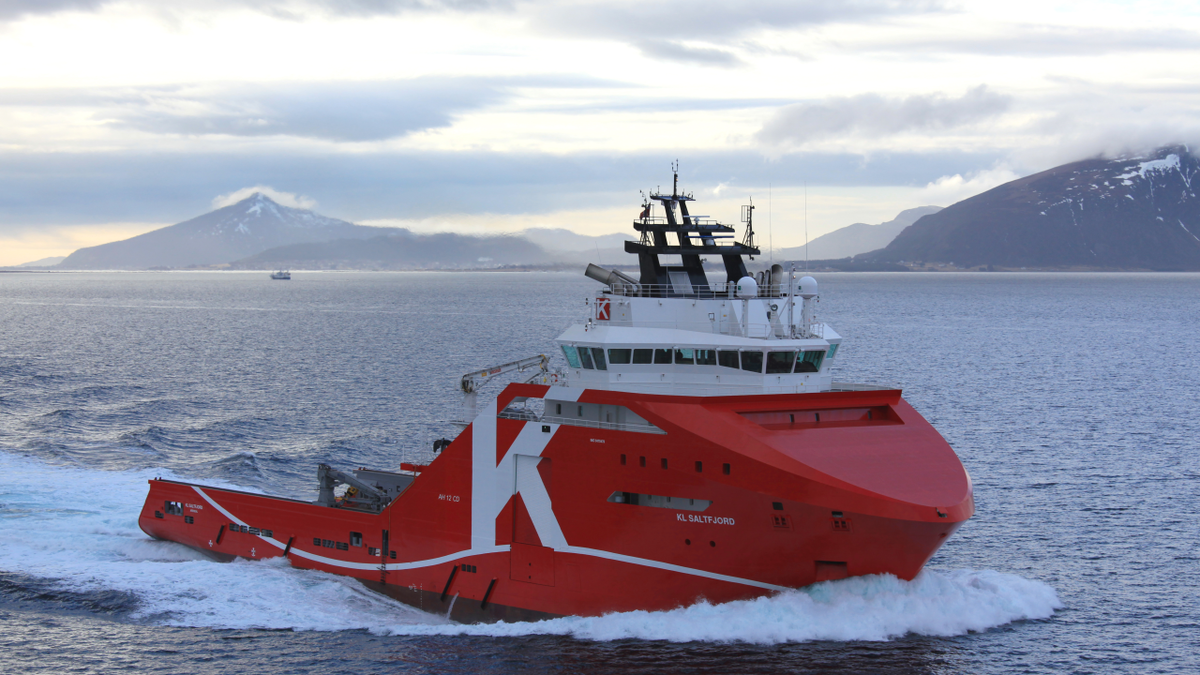
New anchor-handling vessels needed to build American floating windfarms
Development of the nascent floating wind market in the US could be put at risk unless shipowners invest in the new-generation anchor-handling tug/supply (AHTS) vessels the industry urgently needs


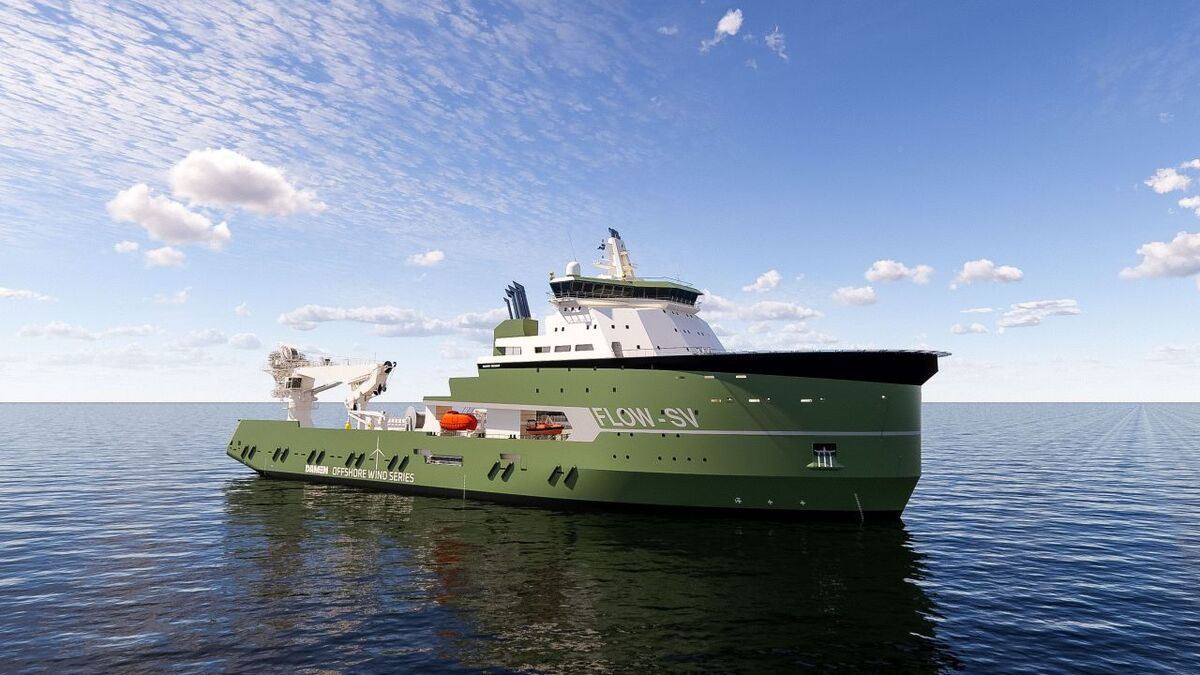
Attendees at Riviera Maritime Media’s latest Offshore Energy Webinar week event, Floating wind: the new energy frontier in the US, which took place 11 July 2023, were told there is a shortage of suitable vessels that can tow and install floating wind turbines on the West Coast of the US, and there is a global shortage of vessels that could help fill the gap.
Many large anchor handlers will be required by the floating wind market worldwide, but there has been very little investment in new vessels in recent years because of poor conditions in the offshore oil and gas market. With the offshore oil and gas market now resurgent, and demand for AHTS vessels there picking up, the dearth of anchor-handlers for floating wind is likely to become even more acute.
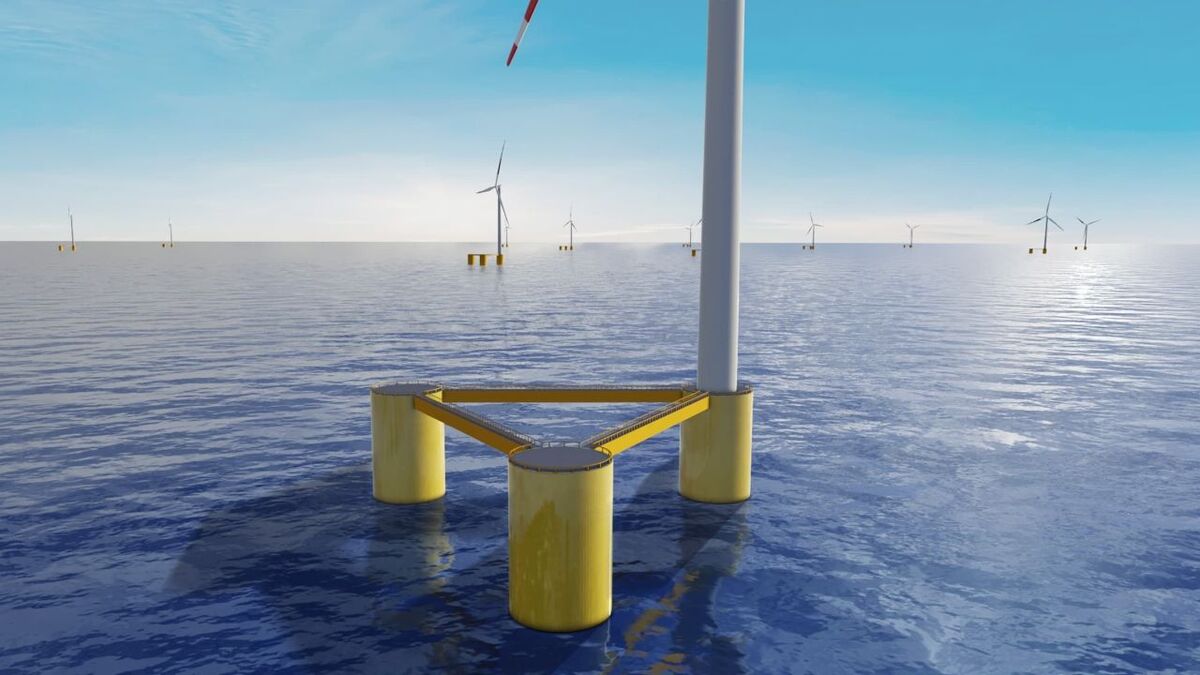
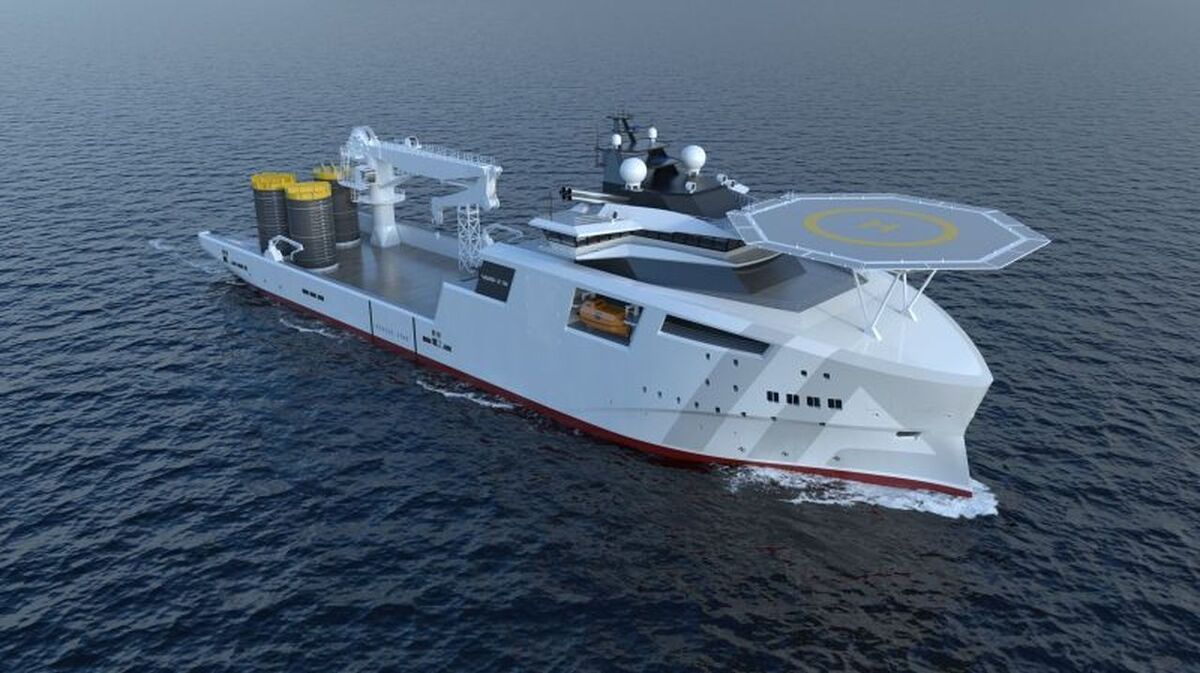
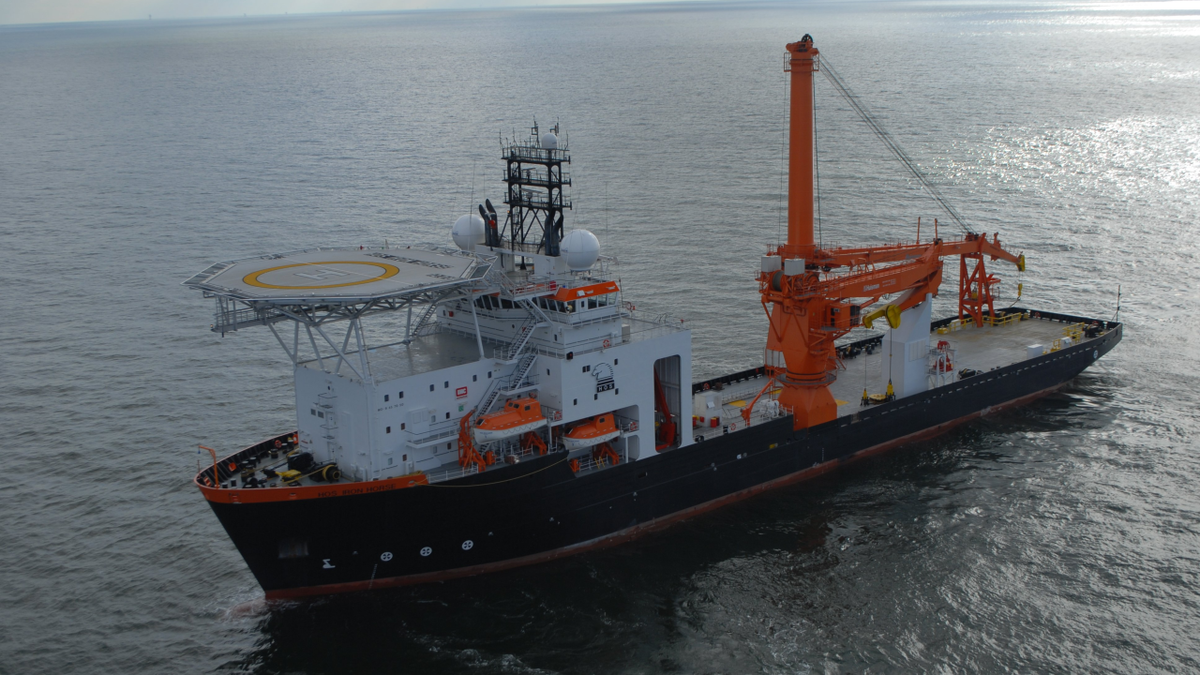
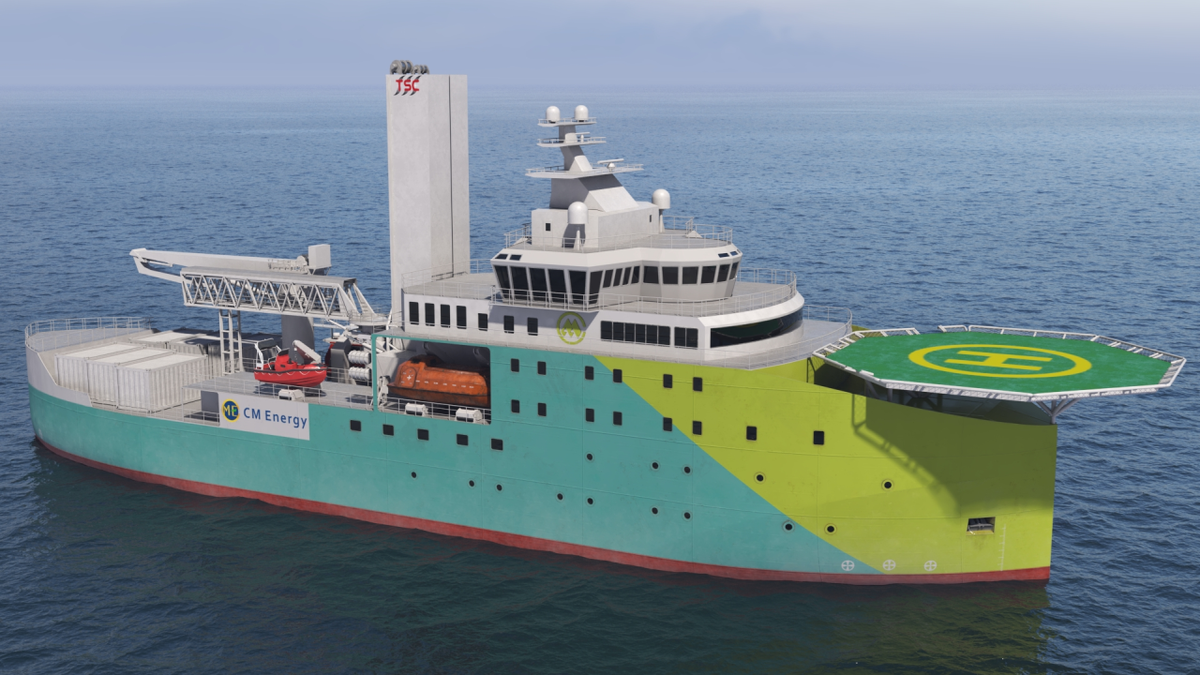
Some new designs have been proposed that would have sufficient capacity to install floating windfarms cost-effectively – and do so with reduced emissions – but none has yet been ordered and owners in the US have so far shown little interest in addressing the market. In addition to those required to install floating windfarms, more are likely to be needed to ‘tow back’ turbines in need of maintenance.
The Biden administration has committed to ambitious goals for offshore wind, including 15 GW of floating wind capacity by 2035. In the longer term, floating windfarms are expected to be built on the East and West Coast of the US, but it is on the West Coast where floating wind will first be established. In a statement issued at the time the administration announced the 15-GW target, the White House said, “Bringing floating offshore wind technology to scale will unlock new opportunities for offshore wind off the coasts of California and Oregon, in the Gulf of Maine, and beyond. Tapping into these resources will expand clean American energy supplies and contribute significantly to achieving climate goals set by the President and Governors across the country.” However, delegates at the webinar heard that this lofty ambition faces many challenges, not least vessels.
Addressing delegates in the webinar, Winston & Strawn maritime practice chair Charlie Papavizas, Fred Olsen vice president Ketil Arvesen, Diamond Offshore Wind director Dan Kennedy and Crowley Wind Service vice president Jeff Andreini agreed on the need for big changes in the US shipping and ports sectors to facilitate the construction and operation of floating windfarms on the West Coast.
All agreed there are numerous challenges to address, not least the dearth of vessels capable of installing floating windfarms. Mr Papavizas said apart from the missing AHTS fleet, there are other vessel-related challenges too. States like California lead the way in emissions control legislation in the US, and vessels used to build floating windfarms off its coast will need to meet strict emissions requirements that most existing vessels cannot currently meet. Then there is legislation Congress is considering that could affect which vessels can handle thousands of anchors and mooring systems West Coast floating windfarms will need.
Mr Papavizas explained that in offshore oil and gas market in the US, anchor-handling work must be undertaken by US-registered vessels, although they need not be US-built vessels. Congress is currently considering whether the same rules will apply to anchor-handling operations in the floating wind market: if it does, the huge number of anchors and mooring systems needed could also be installed by American-operated but foreign-built vessels, but the situation remains unclear.*
Mr Andreini and Mr Kennedy both also highlighted the effect on the vessel market of California’s US-leading emissions legislation. Mr Kennedy told the webinar, “California emissions standards will require vessels and ports to operate in the greenest manner possible. That will open up opportunities for ports to invest in electrification and for the shipbuilding sector to invest in alternative fuels.”
“But it will be a big challenge,” said Mr Andreini. “How are owners going to meet those requirements? Will they need newbuilds or can they refurbish engines to meet emissions requirements? Time is short,” said Mr Andreini. “It takes two to three years to build an anchor-handler and there are only so many US yards that can do that kind of work. This issue really needs heightened awareness.”
Mr Andreini and Mr Arvesen also highlighted another issue facing the vessel market, the fact that there are currently ‘hundreds’ of floating wind turbine designs, each with their own specific requirements for anchoring and mooring technology. “There is no single one-size-fits-all solution,” said Mr Arvesen.
Both also agreed there needs to be a co-ordinated effort between developers, foundation designers, naval architects, yards and owners to identify exactly what capacities and design features anchor-handlers servicing the US market will need.
“Should owners build project-specific anchor-handling vessels or general-purpose ships that can handle a range of work?” asked Mr Papavizas. Mr Andreini agreed that the type of foundations selected for projects will have a huge influence on the vessel market – and on ports. “Foundations will dictate vessel needs and requirements at terminals,” he said. “Someone is going to need to build next-generation anchor-handlers and build them so they can use alternative fuels.”
Responding, Mr Kennedy said the vessel market isn’t moving fast enough to ensure that the 15 GW by 2035 target can be met. “The US government is needs to incentivise vessels and ports to get moving,” he said. “Currently, there are no floating wind ports in the US,” he explained. “And there are no vessels on the West Coast that can install and maintain floating windfarms.” New ways to service and maintain floating windfarms need to be developed, he said, which is a challenge that also needs suitable vessels and equipment. “Although it’s a big challenge, it also creates opportunities for naval engineering firms, shipyards and equipment manufacturers,” he said.
For his part, Mr Andreini said he believes more partnering between the various actors in the supply chain will be “essential” to make floating wind on the West Coast work. Those partners include developers, foundation companies, ports and owners.
Polls conducted during the webinar revealed some interesting opinions about the floating wind market in the US. Asked what the greatest challenges are facing the market, most attendees identified the shortage of vessels and Jones Act vessel requirements. The shortage of ports ready to host floating wind projects was also identified as a major issue as was the immaturity of the supply chain.
Asked if the Federal government is doing enough to incentivise the development of floating wind ports, 59% of attendees said it was not. Asked if the US is on track to reach its goal of 15 GW of floating wind by 2035, 92% said it is not.
A question about maintenance strategies for floating windfarms suggested most attendees feel a hybrid approach that combines centralised maintenance, decentralised service centres, remote monitoring and collaborative partnerships would provide the most comprehensive support for floating wind turbines.
Asked what the most significant installation hurdles are in the floating wind market, 50% of those polled identified limited installation vessels and equipment and 31% identified the immaturity of the supply chain and logistics.
Asked whether the US government should provide incentives for the construction of ultra-low emissions anchor handling vessels for floating windfarms, 46% of those polled said yes, and believe it would encourage adoption of cleaner technology and support the growth of the market. However, 38% said they do not support government incentives and believe the market should determine adoption of new technology and industry should prioritise cost-effectiveness and technological advancement without government assistance.
*After the webinar, Mr Papavizas told OWJ that legislation being considered that could affect anchor-handling vessel operations for floating wind is a ‘second-degree amendment.’ This means that it would amend what is already in the Coast Guard authorisation bill, which also was intended to be added to the National Defense Authorization Act.
“The underlying law has been around for a while,” said Mr Papavizas. “It provides that only a US-flag vessel with a registry endorsement (meaning it can be built outside the US) can set, move or relocate anchors for a mobile offshore drilling unit on the US outer continental shelf.
“The Coast Guard Committee bill would have expanded that to ‘other energy production or transmission facilities,’ but there were industry objections.”
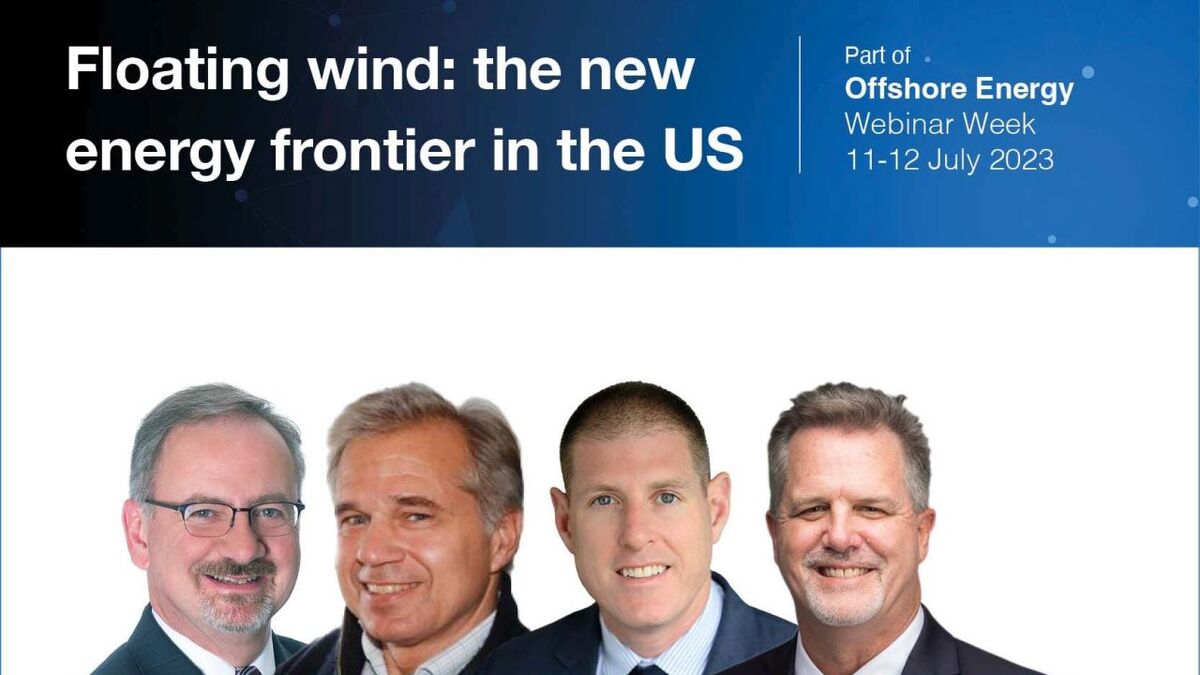
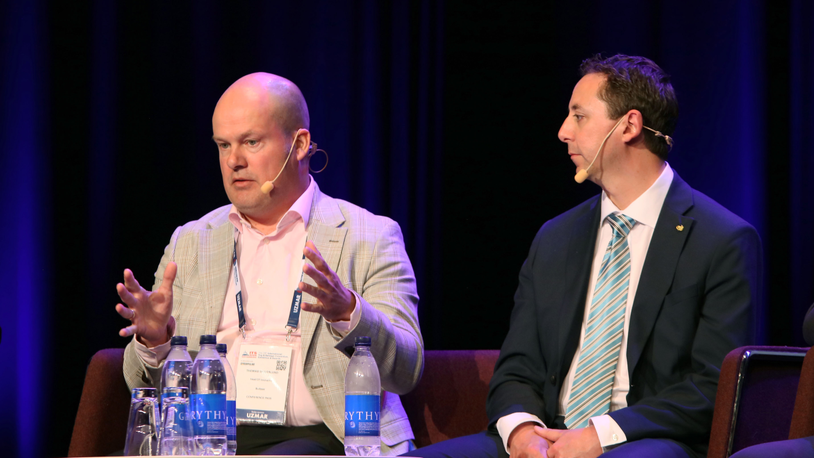
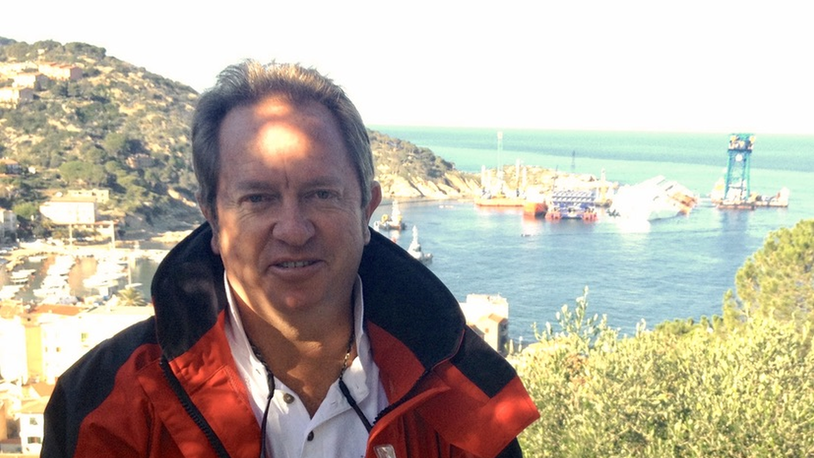
Riviera’s floating wind webinar included (left to right) Winston & Strawn LLP Partner, Chair, Maritime Practice Charlie Papavizas; Fred Olsen Vice President Ketil Arvesen; Diamond Offshore Wind Director, Engineering Daniel Kennedy and Crowley Wind Services Vice President Jeff Andreini
Related to this Story
Events

Maritime Regulations Webinar Week
 16 Dec 2025
 GMT - ONLINE
Floating energy: successfully unlocking stranded gas using FLNGs and FSRUs
24 Feb 2026GMT - ONLINE
© 2026 Riviera Maritime Media Ltd.


