


Business Sectors
Business Sectors
Events
Contents

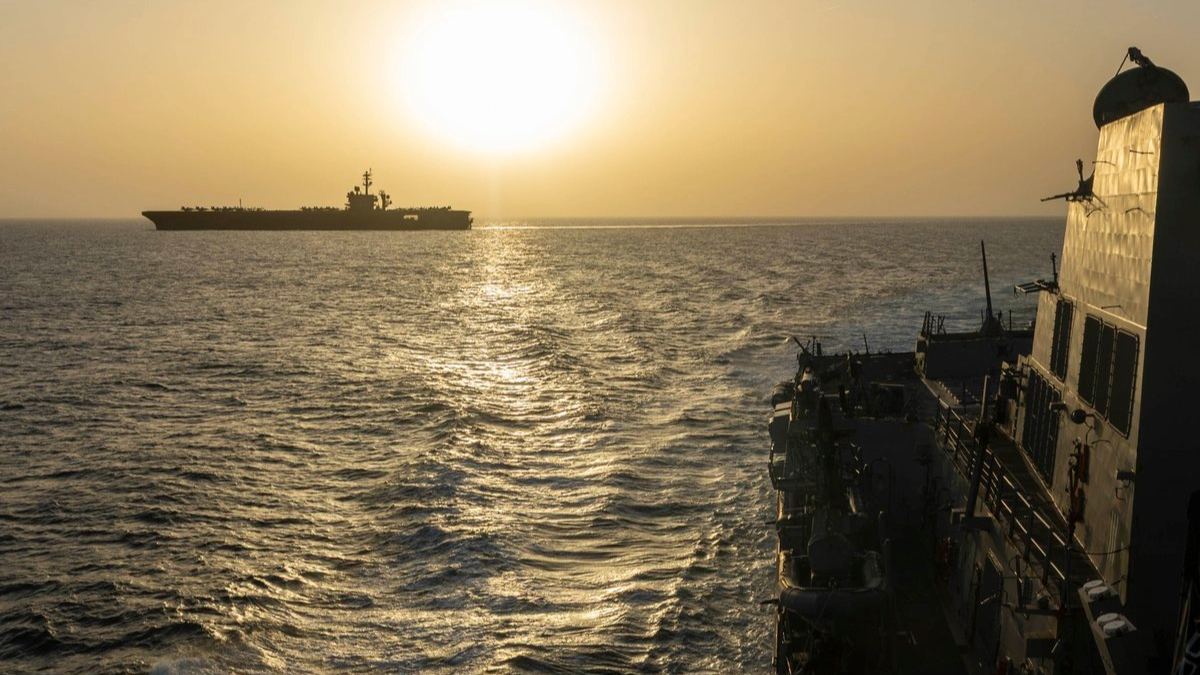
Analysts react to Hormuz reopening statements as key questions remain
Analysts are closely assessing announcements regarding the opening of the Strait of Hormuz, with Iran signalling that vessels will sail on a coordinated route, the US vowing to maintain its blockade, while oil prices fall and stock markets rally


“Iran’s announcement should be read with considerable caution,” Optima Shipping Services head of market analysis and decarbonisation strategies Angelica Kemene told Riviera.
“Markets would be mistaken to price in a full commercial normalisation at this stage,” she added.
Ms Kemene noted that the ceasefire between Israel and Lebanon, which appears to have driven Iran’s decision to fully open the Strait, is barely 10 days old and leaves the broader Iran-US confrontation unresolved.
Meanwhile, the Trump administration has made clear it will maintain its naval enforcement posture on Iran, removing what analysts see as a key precondition for any genuine return to normal commercial flows.
The US President initially wrote on social media that the Strait was fully open, but added that the expanded naval blockade would remain in force “only until such time as our transaction with Iran is 100% complete.”
He also said the process would move quickly, as most points were already negotiated.
BIMCO has warned that the US president’s statement that the Strait is fully open is inaccurate. “The status of mine threats in the traffic separation scheme is unclear, and BIMCO believes shipping companies should consider avoiding the area,” said BIMCO chief safety and security officer Jakob Larsen.
Questions over “coordinated route”
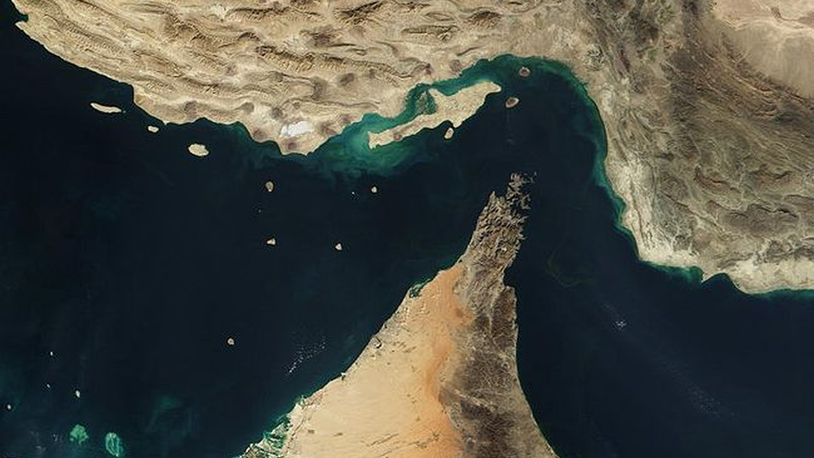
Iran’s foreign minister’s post on X has also raised questions. Seyed Abbas Araghchi said passage of all commercial vessels through the Strait would follow “the coordinated route as already announced by the Ports and Maritime Organisation of the Islamic Republic of Iran.”
Banchero Costa head of research Ralph Leszczynski told Riviera this suggests vessels may be required to transit through Iranian territorial waters under Iranian coordination, rather than the traditional route through Omani waters.
“One has to wonder if there will be any strings attached to that,” he added.
International Maritime Organization (IMO) Secretary-General Arsenio Dominguez said in a post on X that the announcements are being verified in terms of compliance with freedom of navigation for all merchant vessels and the secure passage of ships through the IMO-established traffic separation scheme.
Ms Kemene said physical infrastructure constraints at Ras Laffan, Ras Tanura and Fujairah add further delays that diplomacy alone cannot resolve.
“The Strait may be nominally open, but it is not commercially open in any meaningful sense yet. War risk premiums will remain elevated until there is sustained, verifiable passage over several weeks and the US position on Iran’s transit toll proposals is resolved,” she said.
Analysts broadly do not expect major developments before a permanent agreement between Iran and the US.
BRS Shipbrokers head of dry bulk research Wilson Wirawan told Riviera that only such an outcome would provide a real and sustained boost to sentiment.
“If this happens ahead of President Trump’s meeting with President Xi, it could give Trump additional momentum and potentially support stronger grain purchase commitments from Beijing,” he said.
In any case, the reopening would be positive for the global economy, analysts said. “Especially for Asia, as it would reduce the oil supply crunch seen in recent weeks,” Mr Leszczynski said.
Markets have reacted positively, with oil prices falling sharply and equities rising.
Mr Wirawan also pointed to firmer dry FFA levels, which he said could provide traction for shipping players to revisit previously shelved commercial negotiations.
Impact on tankers
Commenting on the tanker market, which has been significantly impacted by the conflict, Mr Leszczynski said the effects are likely to persist even after the Strait reopens.
“This is firstly due to the dislocation of available tonnage, as many tankers have recently repositioned to the Atlantic basin and will not be immediately available for loading in the Arabian Gulf,” he said.
“Secondly, the recent crisis is likely to incentivise countries to rebuild and expand strategic oil stockpiles, meaning demand will remain above underlying consumption for several months,” he added.



Related to this Story

Events
Maritime Regulations Webinar Week
 16 Dec 2025
 GMT - ONLINE
Floating energy: successfully unlocking stranded gas using FLNGs and FSRUs
24 Feb 2026GMT - ONLINE
© 2026 Riviera Maritime Media Ltd.


