


Business Sectors
Business Sectors
Events
Contents

Register to read more articles.
EU formalises Russian LNG ban by end-2026, mandates national diversification plans
The European Union has moved forward with its plan to ban Russian gas, with imports set to be fully phased out by late 2027, prompting analysts to suggest Moscow may now redirect its exports to Asia


The European Council and the European Parliament reached a provisional agreement on the new regulation, which introduces a legally binding, step-by-step prohibition on Russian natural gas imports. Under the plan, LNG imports from Russia will be fully banned by the end of 2026, followed by pipeline gas in Q3 2027.
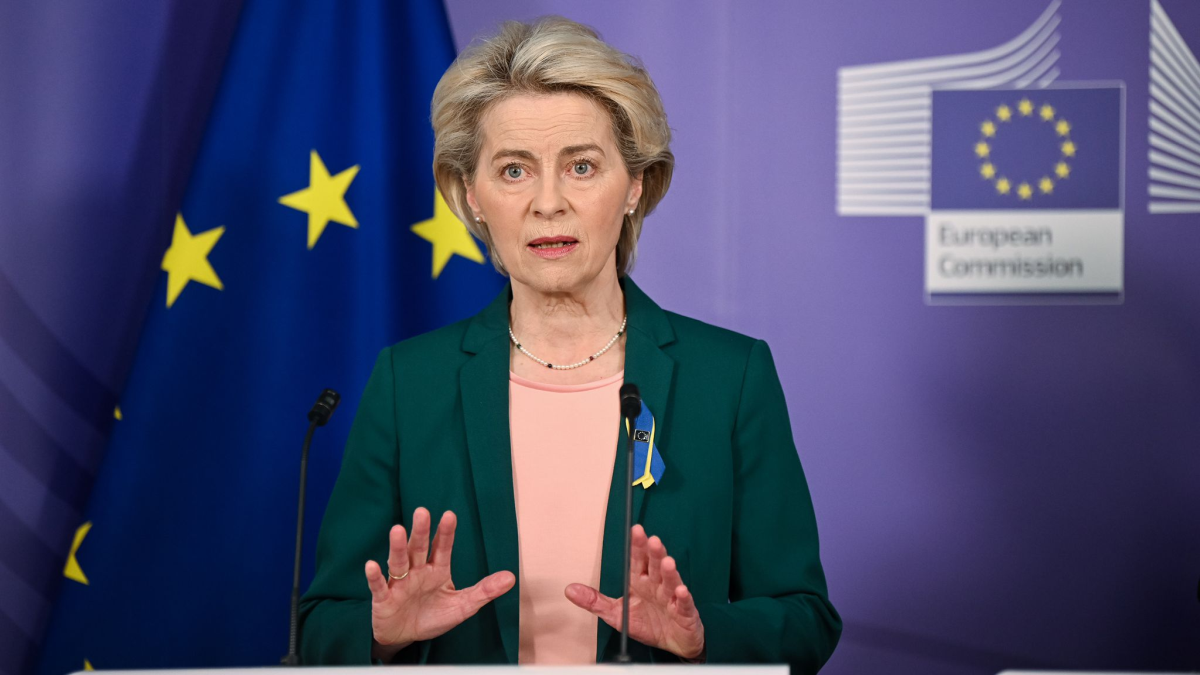
“Today, we enter the era of Europe’s full energy independence from Russia,” European Commission president Ursula von der Leyen said. “By depleting Putin’s war chest, we stand in solidarity with Ukraine and set our sights on new energy partnerships and opportunities for the sector.”
Denmark’s climate, energy and utilities minister Lars Aagaard welcomed the deal, calling it “a big win for us and for all of Europe,” and describing the permanent ban as a major step in ending the EU’s dependence on Russian energy.
Main provisions of the agreement
Under the regulation, imports of Russian pipeline gas and LNG will be prohibited six weeks after the regulation enters into force, with transition periods for existing contracts.
For short-term supply contracts signed before 17 June 2025, the ban on LNG imports will apply from 25 April 2026, and on pipeline gas from 17 June 2026. For long-term LNG contracts, the prohibition will apply from 1 January 2027, aligning with the EU’s 19th sanctions package.
Long-term pipeline gas contracts will be banned from 30 September 2027, provided member states are meeting gas storage targets. In any case, the ban will apply no later than 1 November 2027.
The regulation also requires all member states to submit national diversification plans outlining measures to diversify their gas and oil supplies by 1 March 2026.
Russia’s potential shift to Asia
ICIS senior LNG analyst Alex Froley noted on social media that most Russian LNG arriving in the EU is tied to long-term contracts involving buyers such as TotalEnergies, Shell, SEFE and Naturgy.
He explained Russia supplies LNG mainly from its Arctic Yamal LNG project and the Sakhalin LNG plant on its east coast. While Sakhalin has historically served Asian markets, Yamal volumes have largely flowed to Europe, with some cargoes sent to China.
“Russia will have to try to pivot the majority of its Yamal sales from Europe to Asian buyers from 2027 onwards,” Mr Froley said. He added this shift would require longer voyage distances and therefore additional shipping capacity if Russia intends to maintain export volumes.
Sign up for Riviera’s series of technical and operational webinars and conferences:
- Register to attend by visiting our events page.
- Watch recordings from all of our webinars in the webinar library.





Related to this Story


Events

Maritime Regulations Webinar Week
 16 Dec 2025
 GMT - ONLINE

Floating energy: successfully unlocking stranded gas using FLNGs and FSRUs
24 Feb 2026GMT - ONLINE
© 2026 Riviera Maritime Media Ltd.


