


Business Sectors
Business Sectors
Events
Contents

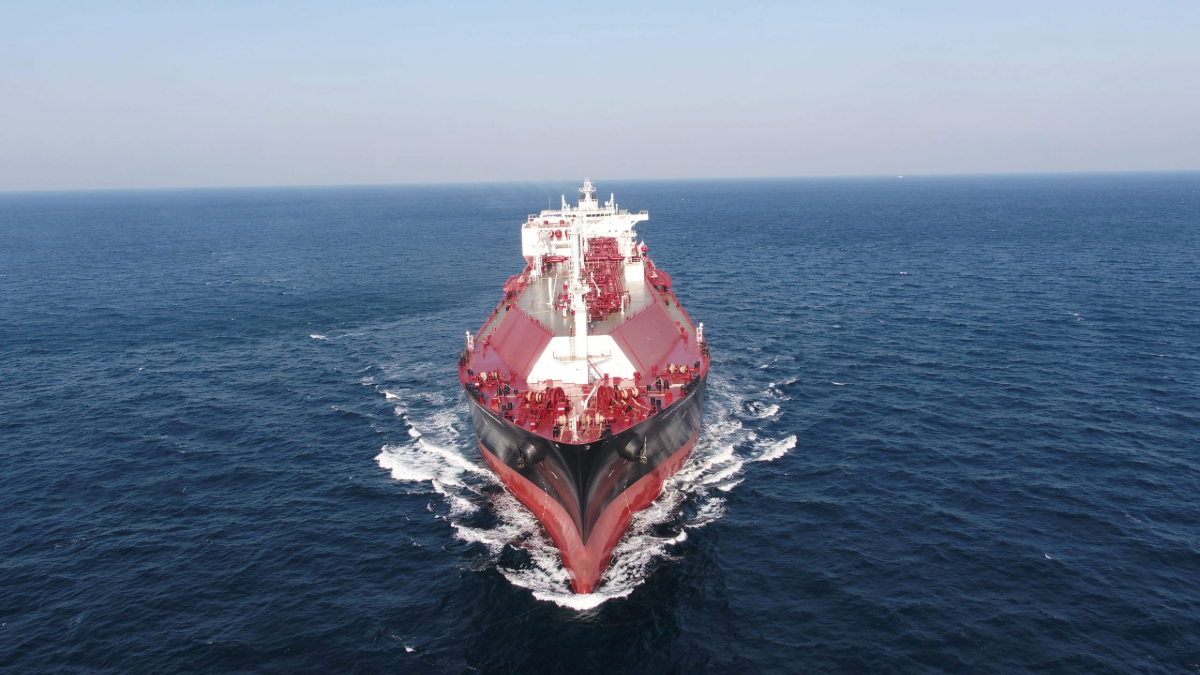
FLEX LNG posts record Q3 revenue as spot market faces volatility
John Fredriksen-backed FLEX LNG has reported its strongest Q3 revenue on record, despite a decline in financial performance compared with the previous quarter, as management expects the spot market to remain volatile through the remainder of 2026


The US-listed LNG carrier owner reported vessel operating revenues of US$97.4M in Q3 2026, up from US$85.7M in the corresponding period a year earlier, but down from US$106.8M in Q2 2026.
“We are Flexcited to present our strongest third quarter revenues ever,” FLEX LNG chief executive Marius Foss commented.
The average time charter equivalent (TCE) rate reached US$78,875 per day, compared with US$70,921 per day in Q3 2025 and US$86,119 per day in the previous quarter.
The company attributed the quarter-on-quarter decline primarily to lower spot market revenues generated by Flex Volunteer compared with the previous quarter.
Net income amounted to US$42.8M in Q3 2026, compared with US$16.8M in the same period last year and US$44.8M in Q2 2026.
Mr Foss said that Flex Volunteer and Flex Artemis continued to contribute to the quarterly results, generating “solid rates from their spot charters”.
However, he added that both vessels are being marketed for long-term employment and will continue trading in the spot and short-term markets until suitable long-term charter arrangements are secured.
Separately, FLEX LNG has entered into a sale-and-leaseback agreement with an Asian-based leasing provider covering Flex Enterprise.
Under the terms of the agreement, the vessel will be sold for US$145.5M and chartered back under a bareboat arrangement for approximately six years.
The transaction is expected to be completed in Q4 2026, subject to final documentation and customary closing conditions.
FLEX LNG operates a fleet of 13 LNG carriers, built between 2018 and 2021. The company’s firm contract coverage stands at approximately 92% for the remainder of 2026, while its aggregate firm contract backlog amounts to 48 years, potentially increasing to 75 years if charterers exercise all available extension options.
Volatile spot market
Commenting on market conditions, Mr Foss said the spot freight market is expected to remain muted, but potentially volatile, throughout the remainder of 2026, mainly due to further anticipated vessel deliveries and lower LNG exports from the Middle East.
“The reopening of the Strait of Hormuz and normalisation of Qatari LNG supply remain key near-term swing factors, together with the potential effects of the El Niño climate pattern and the upcoming ban on Russian LNG imports to the EU from next year,” he added.
Looking further ahead, Mr Foss pointed to expanding LNG export capacity, which “should increase LNG shipping demand, absorbing surplus tonnage”.
FLEX LNG’s earnings presentation showed that growing US LNG exports have helped offset lower volumes from the Middle East.
Between January and October 2026, global LNG exports are estimated to have reached approximately 342M tonnes, representing a decline of around 2%. Over the same period, US LNG exports increased by 20% to approximately 105M tonnes.
Qatari LNG exports, meanwhile, declined by nearly 44M tonnes year-on-year.
“Although LNG carrier transits through the Strait of Hormuz increased during the quarter, activity remained well below pre-conflict levels and many vessels transited without transmitting their positions,” FLEX LNG explained.





Related to this Story

Events

Maritime Regulations Webinar Week
 16 Dec 2025
 GMT - ONLINE

Floating energy: successfully unlocking stranded gas using FLNGs and FSRUs
24 Feb 2026GMT - ONLINE
© 2026 Riviera Maritime Media Ltd.


