


Business Sectors
Events
Contents
FPSO, subsea services agreed for Falkland Islands' first offshore oil project
Two floating production systems, networks of subsea infrastructure and development wells will be required for the upcoming Sea Lion oil project in the Falkland Islands, which is heading for a final investment decision this year


Navitas Petroleum and Rockhopper Exploration are close to finalising the finance and regulatory agreements to make a final investment decision (FID) on the much anticipated Sea Lion oil project in the next seven months.
Provisional plans for Sea Lion’s development involve five phases including two floating production storage and offloading (FPSO) vessels, 64 wells and associated subsea networks, to develop the full 730M barrels of oil reserves.
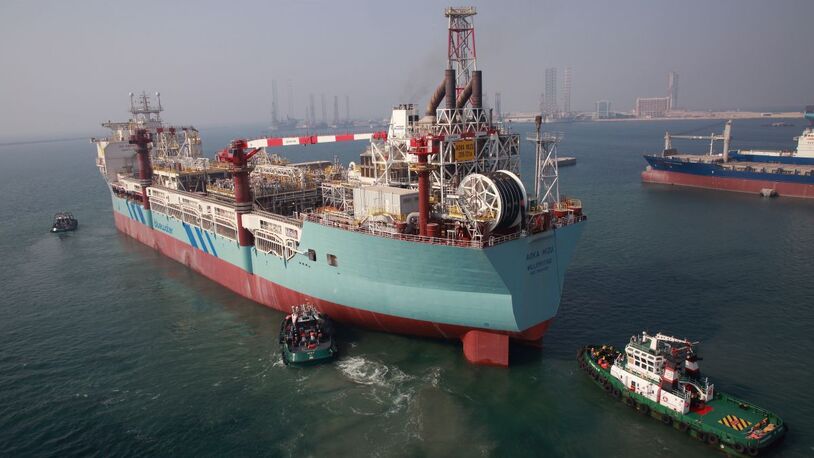
The first two phases will involve a single FPSO, redeployed from a previous project in a harsh sea and weather environment, two campaigns for well drilling and the installation of subsea structures, flowlines, risers and umbilicals.
According to Rockhopper chief executive Sam Moody, the partners have made “material positive developments in relation to the potential Sea Lion development financing” so far this year.
Navitas, as operator of the total project, has signed a mandate with an unnamed international bank with expertise in lending to oil and gas projects. This bank is expected to be the cornerstone for project financing, with additional capital provided by several other investors. Bank financing should be completed within six months, with FID now anticipated in H2 2025.
Rockhopper said several letters of intent and memoranda of understanding have been signed relating to the project, including for providing the FPSO and key pieces of subsea infrastructure. Discussions are currently ongoing for a suitable semi-submersible drilling unit.
“This has been a very important period for Rockhopper and an exciting time for the company and its shareholders as we continue to work with operator Navitas in moving the Sea Lion project towards FID,” said Mr Moody. “Work on financing for the development is beginning to gather pace and there is continued progress on the technical side.”
Rockhopper holds a 35% working interest and benefits from pre- and post-FID loan from the Navitas.
Current plans for the Sea Lion project involve three phases on the northern area with 11 wells tied into a leased FPSO in phase one, followed by 12 wells in phase two and 16 wells in a third work campaign.
In the central area, there could be another leased FPSO with 12 wells initially drilled, followed by 13 wells in a subsequent period.
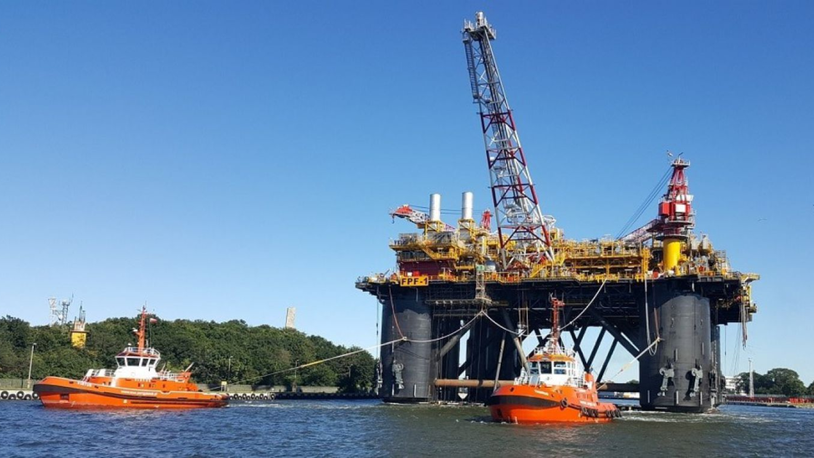
Any redeployed FPSO would require months of reconfiguration, retrofit and preparation work and towage between a shipyard and its intended location offshore the Falkland Islands.
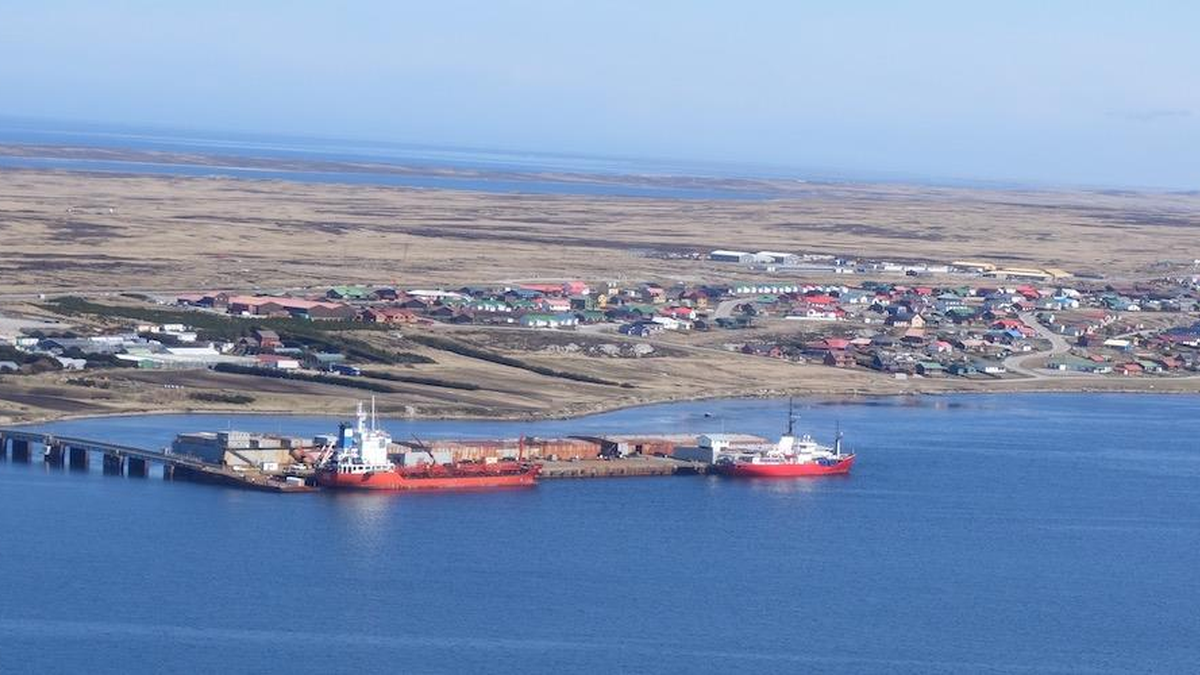
Sea Lion is one of the most remote oil projects ever contemplated as it is in the North Falkland basin, thousands of nautical miles from major offshore logistics bases. Port Stanley in the Falkland Islands is expected to be a main local supply base for this project and its ongoing maintenance.
Subsea installations will require fleets of offshore construction and support vessels, plus remotely operated vehicles and supply ships, while a semi-submersible drilling rig will require anchor handling tugs and logistics support vessels.
Produced oil from a Sea Lion FPSO would be exported on tankers and associated gas would be reinjected for reservoir support.
Riviera’s Offshore Support Journal Conference, Asia 2025, the largest forum for vessel owners, designers, shipbuilders, charterers and suppliers within the OSV sector in Asia, Use this link to register your interest
Related to this Story

Events

Maritime Regulations Webinar Week
 16 Dec 2025
 GMT - ONLINE
Floating energy: successfully unlocking stranded gas using FLNGs and FSRUs
24 Feb 2026GMT - ONLINE
© 2024 Riviera Maritime Media Ltd.


