


Business Sectors
Events
Floating energy: successfully unlocking stranded gas using FLNGs and FSRUs
 24 Feb 2026
 GMT - ONLINE
Contents
Germany, Latvia and Lithuania plan joint offshore wind project in the Baltic
Germany, Latvia and Lithuania have unveiled plans for a joint, cross‑border electricity transmission project in the Baltic


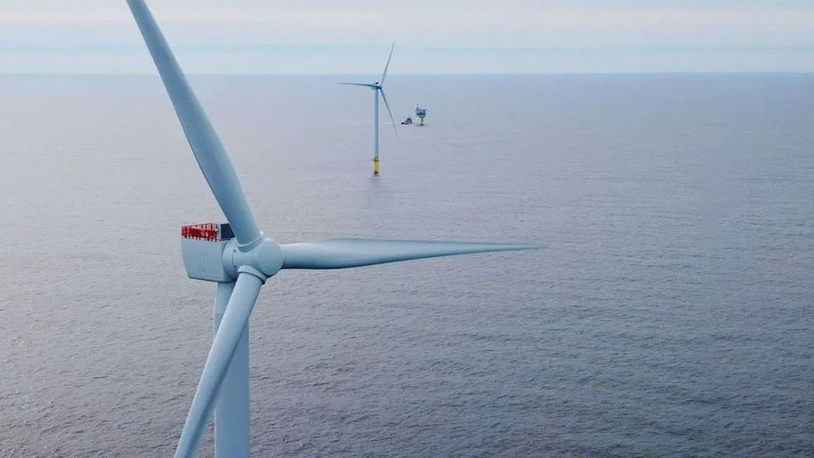
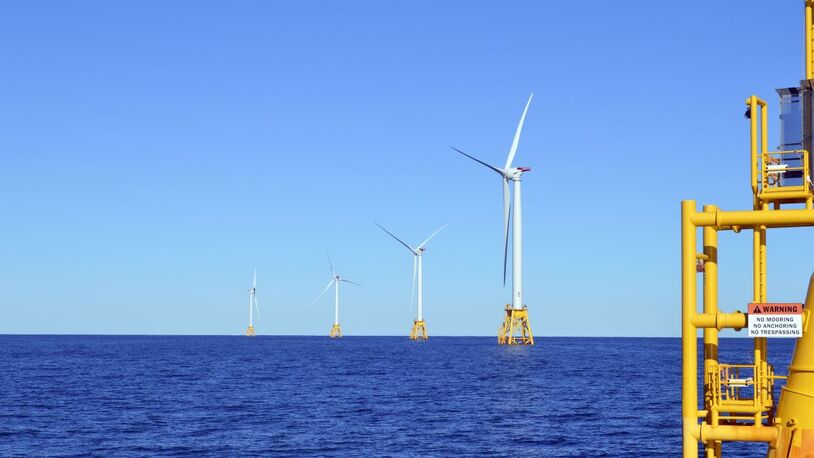
The Baltic-German PowerLink will connect the three countries and offshore windfarms in the Baltic, strengthening security of supply and energy sovereignty.
The transmission system operators from the three countries, 50Hertz in Germany, AST in Latvia and Litgrid in Lithuania, have been commissioned to develop a technical and economic implementation concept by Q3 2026, a concept that will fulfil the European Union’s requirements for funding as a Project of Common Interest.
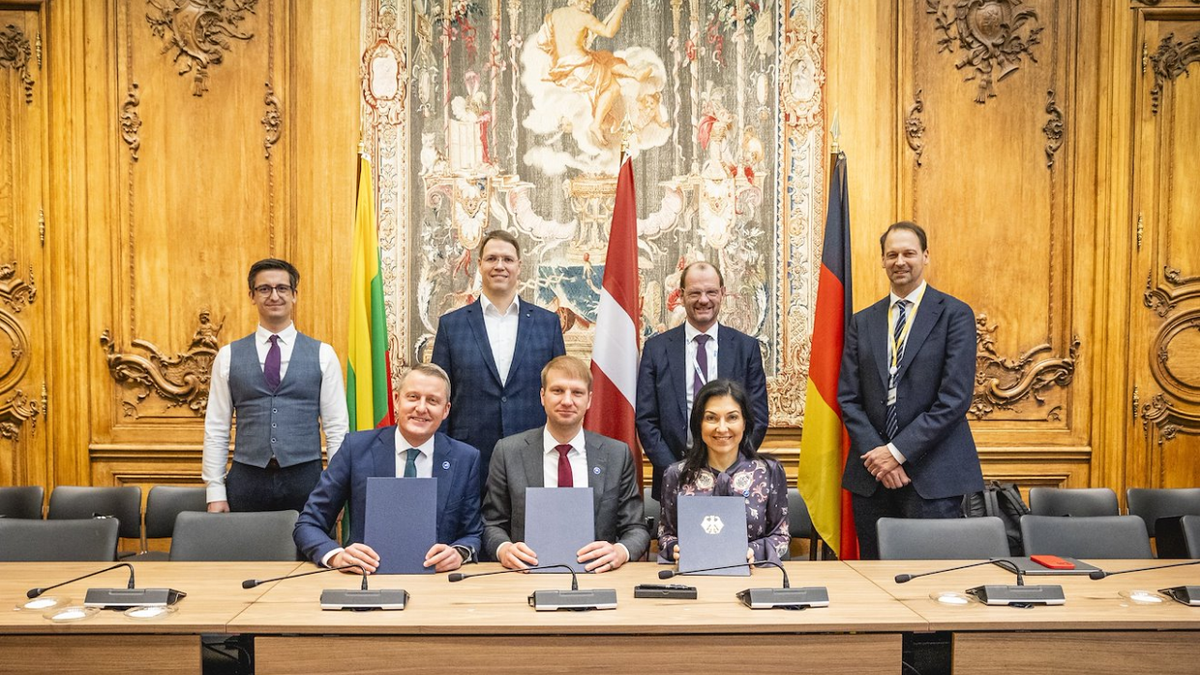
A joint declaration of intent was signed on 18 February 2026 by the German Federal Minister for Economic Affairs and Energy, Katherina Reiche, and her counterparts from Lithuania, Žygimantas Vaičiūnas, and Latvia, Kaspars Melnis, on the sidelines of a ministerial meeting of the International Energy Agency in Paris.
They jointly emphasised that hybrid electricity connections – which serve both as interconnectors for European electricity trading and as grid connections for offshore windfarms – have several advantages, including competitive electricity prices and a reduced dependence on fossil fuels.
To create a shared understanding of the technical and economic feasibility, and the distribution of costs and benefits, the project has been submitted for inclusion in the European Ten‑Year Network Development Plan. A decision on the next steps in the project is expected at the end of 2026.
According to previous studies and preliminary planning by 50Hertz, AST and Litgrid, the Baltic-German PowerLink will require a 600‑km submarine cable connection between Germany and a landfall point either in southwest Latvia or northwest Lithuania. The interconnector will have a capacity of 2 GW, through which electricity can be fed to Germany via the Baltic-German PowerLink and into the high‑voltage grids on land operated by AST and Litgrid.
50Hertz chief executive Stefan Kapferer said, “The Baltic countries have great potential to generate more electricity from onshore and offshore wind than they need to meet their own demand. This project can help Germany gain access to cost‑efficient renewable electricity generation and enable Baltic electricity markets to move closer to the continental European market.”
AST board member Arnis Daugulis said, “Our forecasts indicate that in just a few years, the Baltic region will shift from being an importer of electricity to becoming an exporter. It is therefore important to plan the export routes for this energy promptly and consider the potential of offshore windfarms. A hybrid interconnector will enable electricity flows in both directions, benefiting both producers and consumers in Latvia and the Baltics, and strengthening energy supply security.”
Litgrid head of strategy Paulius Kozlovas said the plan for the hybrid interconnector is “a significant step towards deeper market integration and a more resilient European power system.”
Sign up for Riviera’s series of technical and operational webinars and conferences:
- Register to attend by visiting our events page.
- Watch recordings from all of our webinars in the webinar library.

Related to this Story
Events

Maritime Regulations Webinar Week
16 Dec 2025GMT - ONLINEFloating energy: successfully unlocking stranded gas using FLNGs and FSRUs
24 Feb 2026GMT - ONLINE
© 2024 Riviera Maritime Media Ltd.


