


Business Sectors
Business Sectors
Events
Contents

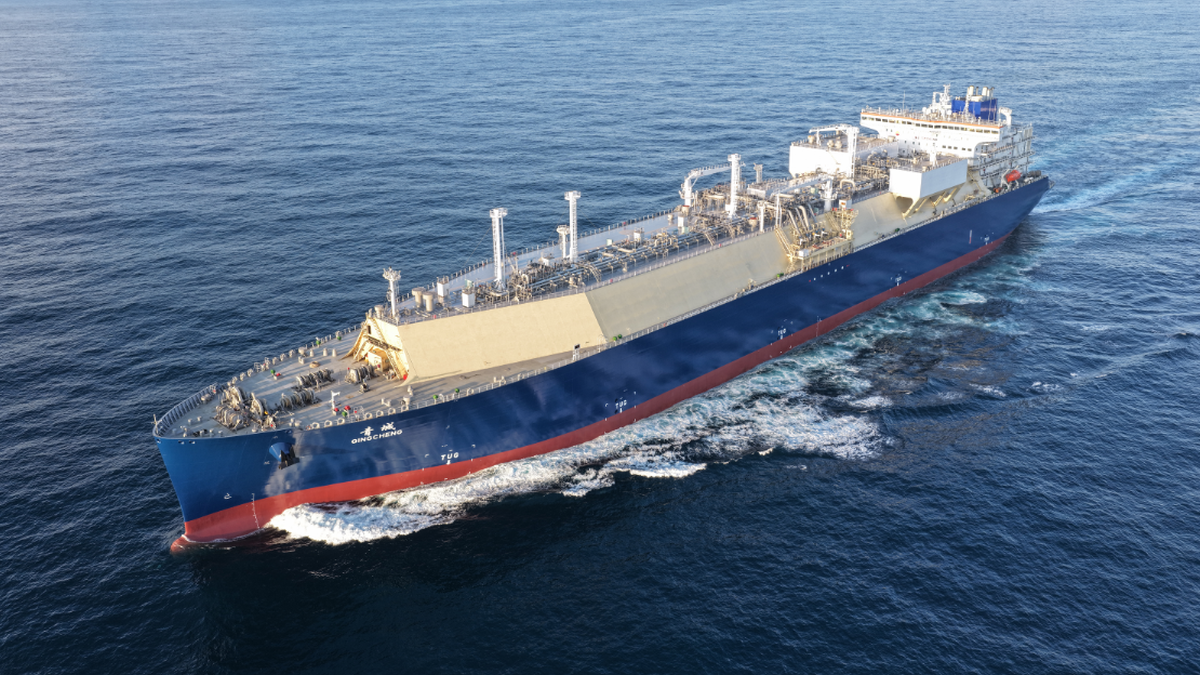
Hormuz closure scenario predicts LNG price pushing past US$100/MWh
ICIS modelling indicates a three-month Strait of Hormuz closure could push Dutch TTF front-month prices above €90/MWh (US$105/MWh)


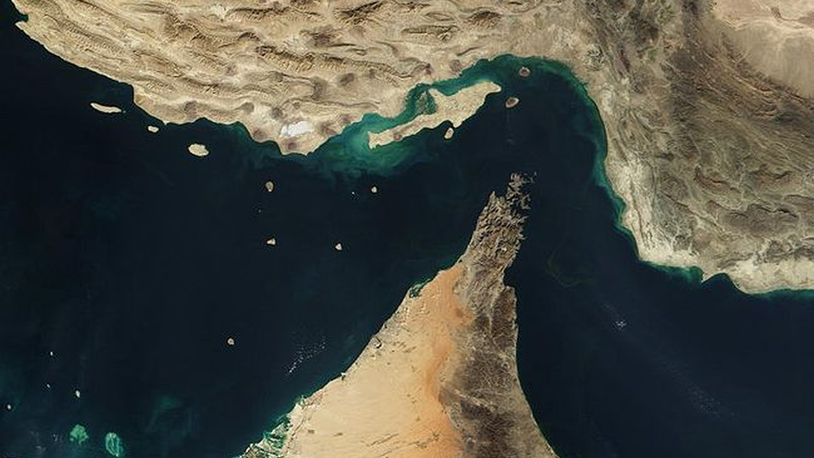
With the Strait of Hormuz carrying 20% of global LNG trade and 25% of seaborne oil trade, its narrow passage is a bottleneck for commercial shipping and a geopolitical vulnerability that Iran has military capability to exploit as a retaliatory measure for joint US-Israeli attacks on Iran.
Commodity analysts Independent Commodity Intelligence Services (ICIS) examined how a three-month closure of the Strait of Hormuz could affect European gas pricing in a market analysis, with scenario outputs showing the Dutch TTF front-month rising above €90/MWh (US$105/MWh) under a disruption case that removes direct Qatari LNG exports to Europe and cuts spot LNG availability.
ICIS head of energy content Jamie Stewart noted that the impact on military and energy targets from an onging US-Israeli military campaign and Tehran’s retaliatory missile strikes across the region was not fully known at the time of publication.
ICIS pointed out that Iran’s Revolutionary Guards had started drills in the Strait of Hormuz a week before the attack, “already testing a temporary blockage of the sea passage”.
ICIS analysts ran model-based scenarios as recently as 25 February to test the repercussions of a three-month Strait of Hormuz closure for supply-demand dynamics in European gas markets.
ICIS gas analytics head Andreas Schroeder noted that an “immediate price impact of the Dutch TTF front-month soaring above €90/MWh (US$105/MWh) seems realistic if removing direct Qatari LNG exports to Europe, considering the tightening global LNG balance”.
To benchmark the shock against prevailing levels, ICIS used the TTF April price.
Described as the new front-month when the European gas trade opened early on 2 March, the price “was assessed on Friday’s close by ICIS price reporters at just under €32/MWh”, adding that “a potential three-fold increase could be seen” in a Strait of Hormuz closure scenario.
ICIS said the scenarios used its Gas Foresight modelling suite, running a Hormuz disruption case alongside a base case.
The disruption case assumed no contracted Qatari LNG imports to Europe until the end of May, combined with a 131-TWh reduction in spot LNG volumes over a 90-day blockade period, with both effects immediate.
ICIS added that combined EU demand and storage needs totalled about 2,600 TWh between April and November.
ICIS described a 90-day and 365-day rolling-horizon setup, with the model optimising for 365 days in the future and advancing in 90-day steps, intended to reflect limited near-term market visibility.
Under the disruption case, ICIS noted, “In the disruption scenario, the TTF front-month immediately jumps to €92/MWh, with an average price of roughly €86/MWh during the 90-day blockade period.”
ICIS editor Ghassan Zumot noted that Europe’s reliance on LNG left it exposed to Gulf disruption flows.
“Critically, 2024 numbers show 83% of Hormuz LNG flows to Asia, as China, India, and South Korea alone take 52%. Any disruption would force Asian buyers to compete with Europe for the remaining non-Hormuz supplies from the US and Australia.”
ICIS editor Gretchen Ransow added that low European gas storage stocks already present a “refilling challenge”.
Sign up for Riviera’s series of technical and operational webinars and conferences:
- Register to attend by visiting our events page.
- Watch recordings from all of our webinars in the webinar library.




Related to this Story
Events

Maritime Regulations Webinar Week
 16 Dec 2025
 GMT - ONLINE
Floating energy: successfully unlocking stranded gas using FLNGs and FSRUs
24 Feb 2026GMT - ONLINE
© 2026 Riviera Maritime Media Ltd.


