


Business Sectors
Business Sectors
Events
Contents
Register to read more articles.
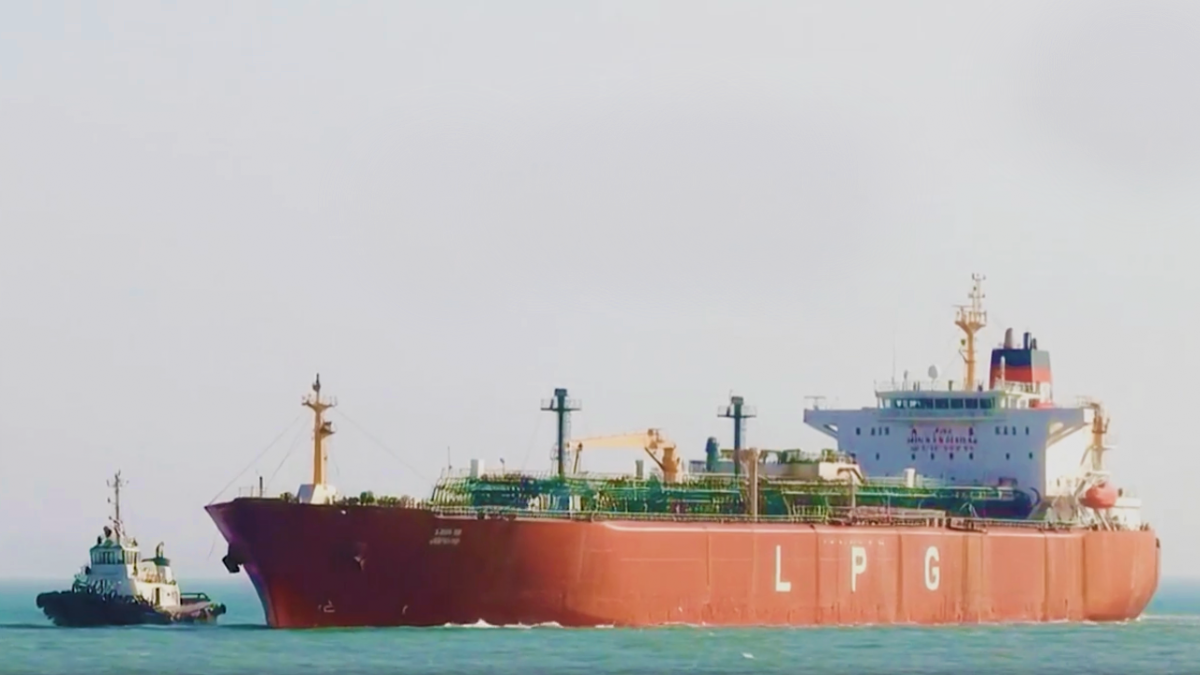
India faces LPG supply crisis, despite VLGC transits through Hormuz
While Iran has allowed two Indian-linked LPG carriers to transit the Strait of Hormuz and the US is already shipping cargoes – reshaping tonne-miles – market participants still point to a potential supply crunch in India


“If for China, a shortage of supplies significantly affects the petrochemical industry, for India – where primary demand comes from the residential sector – the current situation is becoming extremely critical,” intelligence services and data provider Anfil Gas said in a recent report.
According to Drewry data, 90% of India’s LPG supply comes from the Middle East. An analysis published by the firm on 16 March highlights a structural weakness exposed by the current crisis: India lacks strategic LPG reserves.
“Unlike crude oil, for which the country maintains significant strategic reserves, the LPG supply chain operates on a ‘just-in-time’ basis, with current LPG reserves sufficient for only 7-10 days of consumption,” Drewry noted.
The firm projects a supply gap of 1.0M tonnes during March and April 2026, despite emergency measures implemented by the Indian government.
VLGCs transiting Hormuz
Anfil Gas reported that LPG volumes discharged at Indian terminals in 2026 had previously reached nearly 400,000 tonnes per week via very large gas carriers (VLGCs). Last week, however, volumes fell sharply by 33%, with VLGCs discharging approximately 275,000 tonnes.
Two VLGCs – Shivalik and Nanda Devi – have recently transited the Strait of Hormuz en route to India. Multiple sources reported Shivalik docked in Mundra Port on 16 March. These vessels, on time charter to India’s IOC, will supply a volume of about 90,000 tonnes.
Meanwhile, an additional 350,000 tonnes are currently being shipped from the US via VLGCs.
However, only half of these US volumes – around 170,000 tonnes – will be promptly available for discharge in March. “In summary, the total VLGC volumes expected to be discharged in India over the next two weeks, by the end of March, are marginally lower than the weekly volumes discharged before the war, which highlights the current issue,” Anfil Gas said.
At the same time, six VLGCs operated by India’s three major refiners – IOC, HPCL, and BPCL – loaded with around 270,000 tonnes, remain trapped in the Gulf. Another 13 ballast VLGCs controlled by Indian majors are positioned either in the Persian Sea or near Indian waters, according to Anfil Gas data.
US share to rise, tonne-mile impact
Drewry estimates that the US share of India’s LPG imports rose to 6% in 2025 and is expected to reach 10% this year following a supply agreement last October. However, relief from these shipments is not immediate.
Contracted imports from the US are expected to dominate alternative supplies, but distance remains a constraint. Cargoes from the US Gulf Coast typically take 35-40 days to reach India compared with 10–12 days from the Middle East, limiting their ability to provide prompt relief.
Longhaul voyages will therefore become more prominent, raising tonne-mile demand on routes typically served by VLGCs, Drewry said. SeaHawk Group’s managing director, Michael Kourtesis, has also told Riviera that this development could have a positive impact on freight rates.
Costs are significantly higher once freight and terminal charges are included, pushing the estimated landed price of US LPG to roughly US$700 per tonne, with a weaker Indian rupee further increasing the import burden, Drewry added.
Overall, despite the US being the most viable alternative supplier, its ability to provide additional spot cargoes in the near term remains limited. “Additional export capacity is expected later in the year, but for now, prompt availability for Asian buyers remains tight,” Drewry said.
Riviera’s International Chemical and Product Tanker Conference will be held in London on 21-22 April 2026. Use this link for more information and to register for the event.



Related to this Story


Events

Maritime Regulations Webinar Week
 16 Dec 2025
 GMT - ONLINE
Floating energy: successfully unlocking stranded gas using FLNGs and FSRUs
24 Feb 2026GMT - ONLINE
© 2026 Riviera Maritime Media Ltd.


