


Business Sectors
Events

Floating energy: successfully unlocking stranded gas using FLNGs and FSRUs
 24 Feb 2026
 GMT - ONLINE
Contents
Lloyd’s Register: alarm overload undermines ship safety
New research from Lloyd’s Register highlights the dangers to ship safety caused by overwhelming seafarers with operational alarms


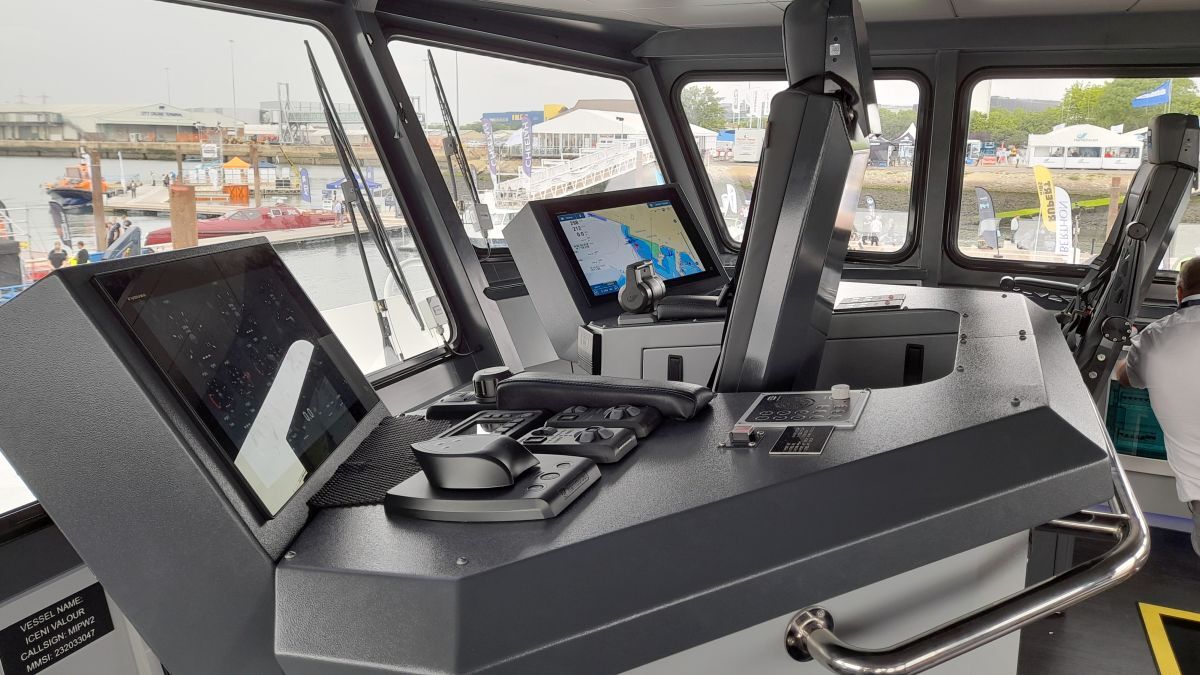
Lloyd’s Register (LR) has alerted the maritime industry to the dangers to ship safety caused by crew becoming fatigued by the multitude of operational alarms on vessels.
The UK-headquartered classification society analysed more than 40M alarm-related events to understand their usefulness for operational safety.
Its research collected data from 11 vessels spanning over 2,000 days and found that most alarms offer little operational value, and can disrupt rest and push crews toward undertaking risky workarounds.
LR’s study identified that many ships generate thousands of alarms each day, resulting in “widespread alarm fatigue, disrupted rest periods and a growing erosion of trust in systems” that are intended to protect both crews and assets.
It found that seafarers, overwhelmed by the volume of alerts, are “forced to silence alarms without acknowledgement or physically bypass alarm circuits, normalising unsafe practices and eroding trust in critical safety systems.”
To mitigate the issue, LR is calling on the maritime industry to reduce the volume of alarms seafarers have to deal with during routine operations.
Its analysis demonstrated that addressing the 10 most frequent alarms could reduce overall loads on seafarers by as much as 40%.
“Our research found that alarm systems, when poorly managed, have themselves become a safety risk,” said LR global head of technology Duncan Duffy.
“Without decisive industry action, alarm fatigue will continue to undermine situational awareness and increase the likelihood of serious incidents.”
LR’s report calls for the greater adoption of objective alarm performance assessment, stronger consideration of human factors in system design and operation throughout the vessel lifecycle, and regulatory frameworks that support consistent, enforceable standards.
“If the maritime industry is serious about safety, it must commit to continuous performance measurement, objective evaluation, and a human-centred approach to alarm system design,” said Mr Duffy.
“Only then can alarm systems fulfil their intended purpose of supporting crews, safeguarding lives, and ensuring safer voyages for all.”
LR’s research applied recognised industrial best practice, including IEC 62682 and EEMUA 191, to maritime operations.
It found that less than half of the 11 vessels studied met the recommended benchmark of fewer than 30 alarms per hour, while on ships with unattended machinery spaces, alarms disrupted 63% of rest periods.
In some cases, cruise ships experienced up to 2,600 alarms per day, with peak rates reaching 4,691 alarms in just 10 minutes, said the classification society.
To reduce alarm overload on crews, a pilot project on a cruise ship lowered total alerts by almost 50% over six months, without adding new technology.
Improvements were delivered through traditional marine engineering interventions, including correcting valve installations, replacing faulty sensors and tuning existing systems.
This study was part of LR’s digital transformation research programme to analyse opportunities and challenges for maritime digitalisation.
Riviera’s Annual Offshore Support Journal Conference, Awards & Exhibition 2026 will be held in London on 3-4 February 2026. Use this link for more information and to register for the event.

Related to this Story

Events

Maritime Regulations Webinar Week
16 Dec 2025GMT - ONLINEFloating energy: successfully unlocking stranded gas using FLNGs and FSRUs
24 Feb 2026GMT - ONLINE
© 2024 Riviera Maritime Media Ltd.


