


Business Sectors
Events
Contents

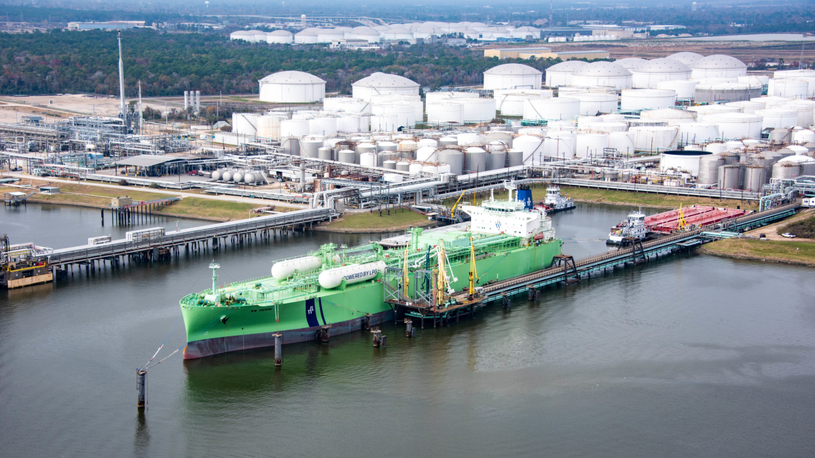
Naphtha swaps threaten Q1 LPG flows outlook
Global LPG exports stay elevated in December, but petrochemical economics and soft very large gas carrier (VLGC) fundamentals point to pressure on Q1 2026 flows


Global LPG seaborne movements continued to set fresh highs in December, but in her latest LPG Monthly Report, Vortexa head of market analysis, Americas, Samantha Hartke warned that a return to more typical propane–naphtha swap behaviour in the winter curve signal naphtha as the more profitable steam cracker feedstock, threatening to curb LPG send-out in Q1 2026.
Vortexa indicated that butane exports surged on increased northwest Europe supply, while propane demand weakened as northeast Asia’s gas-switching economics receded.
China’s LPG intake was described as “on the wane” as steam cracker favourability flipped towards naphtha, while India was expected to remain robust on growth in new household connections.
The report also pointed to restocking in South Korea lifting northeast Asian imports (excluding China), alongside “strong structural growth” in southeast Asia’s residential demand.
On Atlantic Basin demand, northwest Europe’s imports retreated as US supply diverted towards southeast Asia and the Mediterranean, while the Mediterranean’s intake was supported by Morocco’s heating requirements and Turkey’s re-exports.
Africa’s intake was said to have surged on Morocco demand and a “deluge of US barrels”, while South America’s imports retreated following stronger appetite in November.
On the supply side, Vortexa reported US PADD 3 terminal utilisation recovered to pre-tariff-war levels, while Middle East Gulf (excluding Iran) send-out was flat year-on-year, with Saudi Arabia showing signs of fresh supply.
The Middle East and US were both expected to grow LPG supply in 2026, raising the prospect of sharper competition for destination markets if incremental petrochemical demand softened.
Freight conditions remained a key swing factor: Vortexa said a burst of fixtures in the first half of December lifted VLGC freight above year-ago levels, even as underlying fundamentals stayed soft, with ample vessel supply, weaker laden/ballast ratios and lighter maintenance than seasonal norms.
It added that thinning arbitrage from the US Gulf Coast could still add downward pressure on rates, although thin trading liquidity was expected to provide near-term support.
Sign up for Riviera’s series of technical and operational webinars and conferences:
- Register to attend by visiting our events page.
- Watch recordings from all of our webinars in the webinar library.

Related to this Story
Events

Maritime Regulations Webinar Week
 16 Dec 2025
 GMT - ONLINE
Floating energy: successfully unlocking stranded gas using FLNGs and FSRUs
24 Feb 2026GMT - ONLINE
© 2024 Riviera Maritime Media Ltd.


